
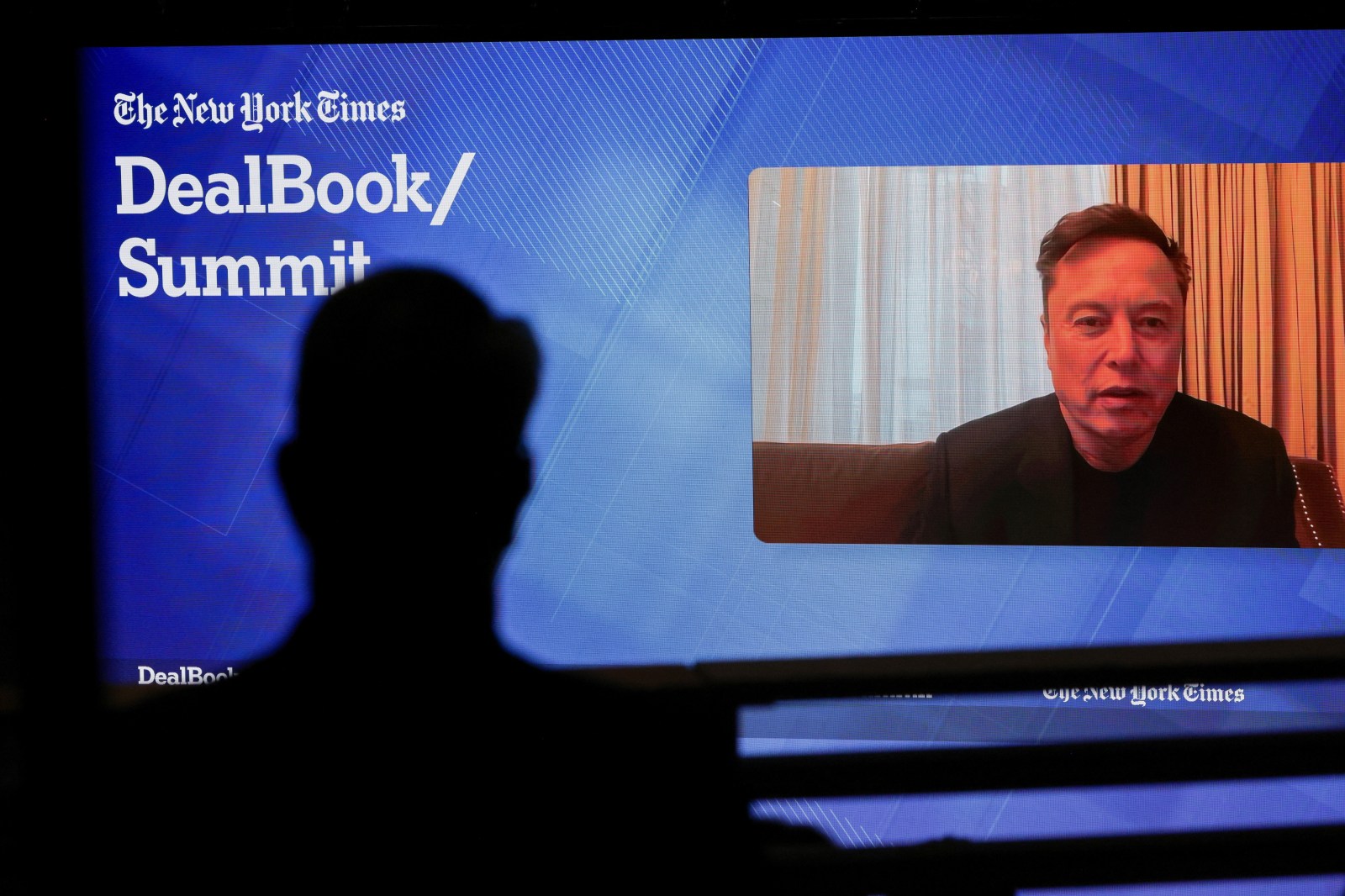
Billionaire Elon Musk expressed regret over his extensive spending on the midterm elections, stating he feels “foolish” for the investment made. Speaking at The New York Times’ DealBook Summit, Musk clarified, “I’m not MAGA. I’m not entirely sure what MAGA means, but if it implies blind adherence to Republican policies, I don’t subscribe to that.” His statements came after the Republicans suffered significant losses, losing control of both the House and Senate.
Musk spent nearly $475 million during the election cycle, as reported by The Times, with Newsweek and other outlets confirming this figure. Despite his financial involvement, the results were disappointing for Republicans. Musk’s motivation was to prevent a Democratic supermajority, yet he doesn’t support a Republican supermajority either. He advocates for checks and balances in government, describing himself as “ideologically quite moderate.”
“I’m not in favor of a supermajority of Republicans either,” Musk said. “I think I’m ideologically quite moderate.”
During the summit, Andrew Ross Sorkin from The Times challenged Musk on his ideological stance, referencing Musk’s views on immigration and previous support of MAGA. Musk reiterated his disassociation from MAGA-related extremism.
Political science experts weighed in on Musk’s statements. Grant Davis Reeher from Syracuse University commented that Musk’s popularity might be declining, suggesting his remarks could impact Republicans. Stephen Voss from the University of Kentucky highlighted how shrinking financial support from wealthy voters affects Republican campaign funding, making them reliant on financial figures like Musk.
Musk also commented on Texas politics, expressing approval of Democratic Governor-elect Gina Hinojosa, describing her as “quite moderate.” He highlighted that American elections involve more than financial power, pointing out that significant spending doesn’t always lead to substantial influence.
Before the election, Musk warned of a potential Democratic sweep in 2028, which he claimed could signify the “end of democracy.” He cited concerns about Democrats making Puerto Rico and the District of Columbia states, opening borders, and altering the Supreme Court’s composition as threats to a balanced political landscape. Musk urged for 51 Republican senators by 2029 to prevent this scenario.