
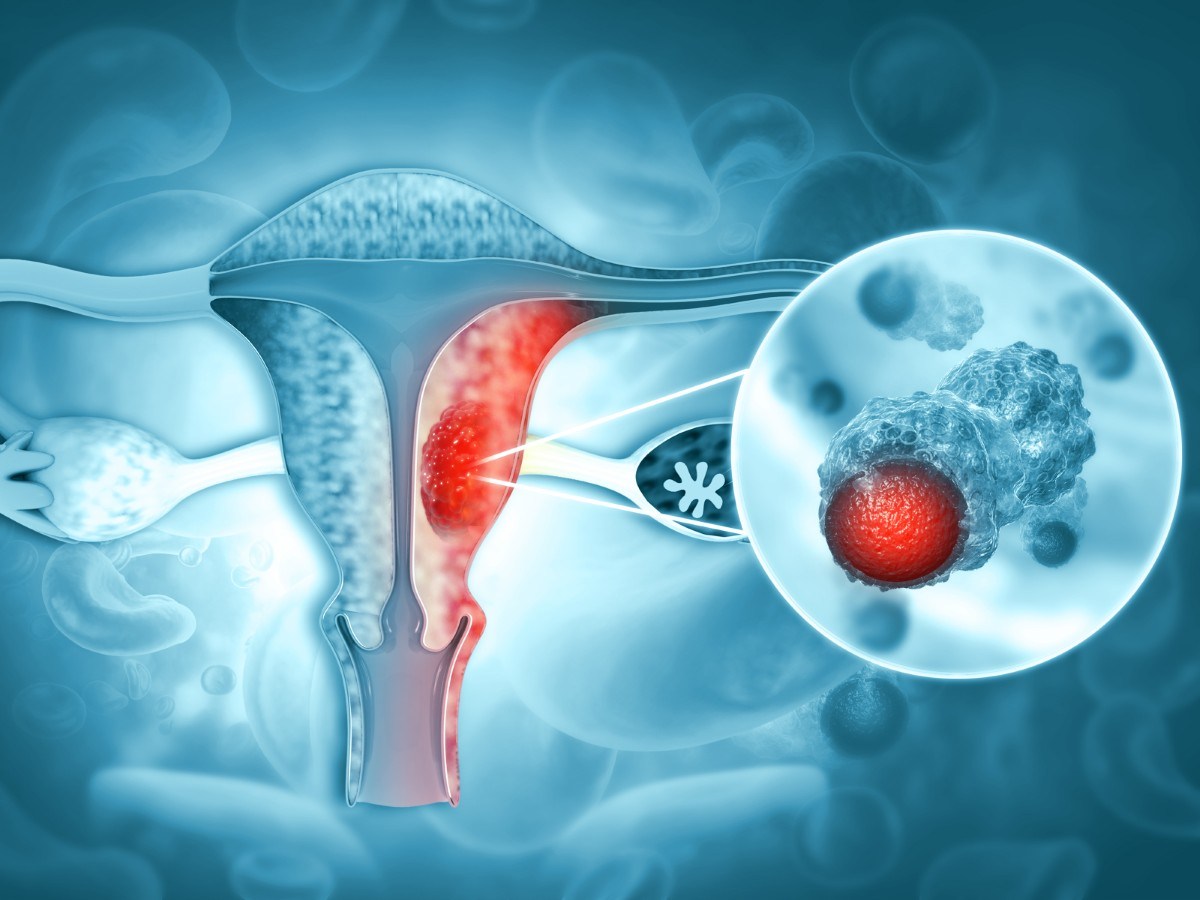
Endometrial cancer cases are increasing among young women, with significant growth observed in Native American and Hispanic populations. Research from the University of Arizona Cancer Center reveals that these groups are diagnosed at younger ages compared to others.
Experts believe that differences in healthcare access and socioeconomic status contribute to this trend. Such disparities affect food security and obesity, known risk factors for endometrial cancer. Minority communities often face food insecurity and limited access to healthy foods, leading to higher rates of adverse health outcomes.
Melissa Herbst-Kralovetz, leading the study at the University of Arizona, shared her surprise at finding Native American and Hispanic women diagnosed 8 to 12 years earlier than their non-Native and non-Hispanic white counterparts. This discovery challenges the belief that endometrial cancer predominantly affects older, postmenopausal women and raises questions about missed diagnostic opportunities in younger women.
Endometrial cancer impacts over 68,000 women annually, according to the American Cancer Society. More than 14,000 deaths occur each year. The cancer becomes difficult to treat once advanced, making early detection crucial.
Study Insights
The study included 261 women who underwent gynecologic surgery from 2016 to 2021 at Banner University Medical Center Phoenix. Among them, 168 had endometrial cancer. Native American women were diagnosed at an average age of 49.8, while white women were diagnosed at 62. Hispanic women were typically diagnosed at age 53.7, compared to 61.6 for non-Hispanic patients.
The study found a higher prevalence of diabetes among Native American and Hispanic women, despite no differences in body mass index. This trend stood out to Herbst-Kralovetz, highlighting metabolic health’s role in endometrial cancer. Environmental exposures, genetics, and social health determinants also require further study.
Hispanic women showed higher social vulnerability based on the Arizona Social Vulnerability Index. Factors like household crowding and lack of transportation affect healthcare access and outcomes.
Herbst-Kralovetz emphasized the impact of social and economic factors on cancer outcomes, underscoring the need for attention to these issues.
Increasing Endometrial Cancer Cases
Michael Wilson, an oncology assistant professor at Wayne State University, noted that obesity and diabetes, rising in prevalence, are established risk factors for endometrial cancer. Obesity enhances estrogen production, affecting the endometrial lining’s proliferation.
Emerging research suggests a link between social vulnerability and endometrial cancer through stress-related pathways. Some studies explore hair product chemicals as potential cancer links, emphasizing the need for more research into environmental factors.
Future Directions
Wilson advocates for further research to understand how social vulnerability contributes to endometrial cancer. He calls attention to the underfunded nature of endometrial cancer research.
Herbst-Kralovetz advises seeking medical advice for abnormal uterine bleeding, the primary symptom of endometrial cancer. Her team develops a self-collected vaginal swab for early detection, aiming to increase access for women in rural or underserved areas. This goal is crucial for improving outcomes through accessible diagnostics.