
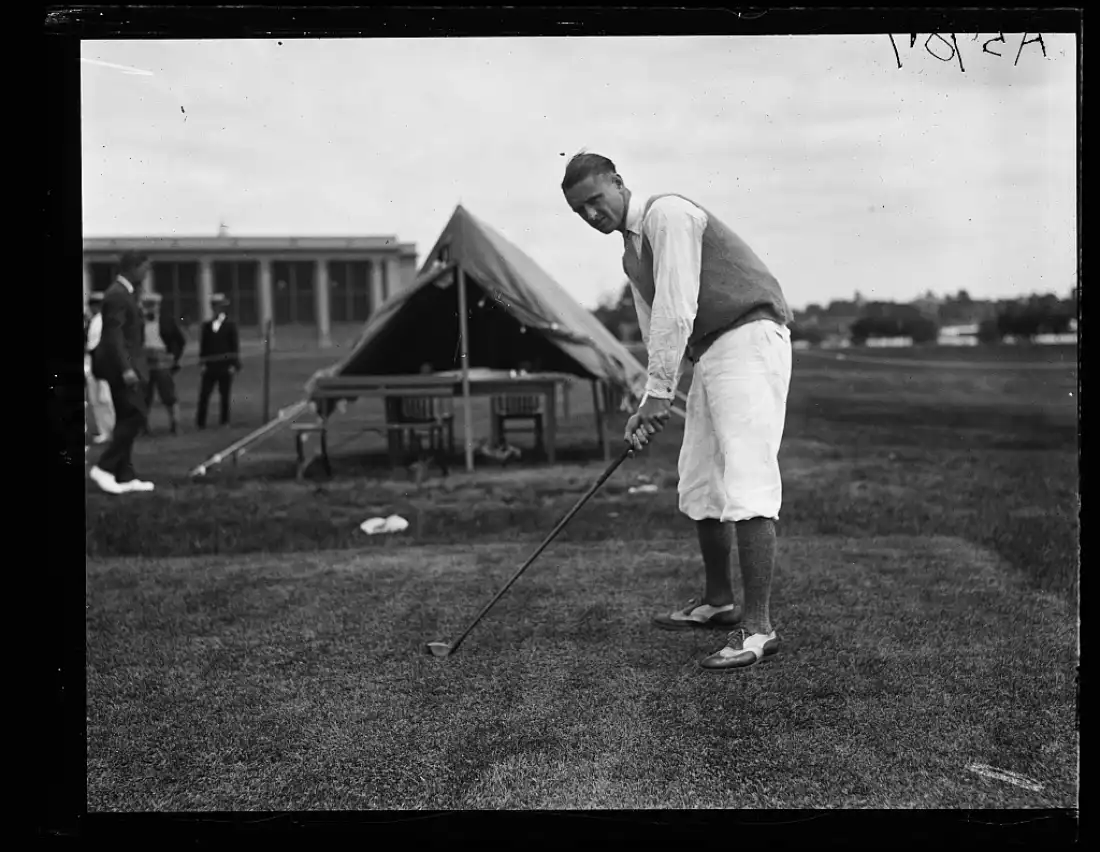
Dick Walsh won a championship tournament at East Potomac Park in 1923. This park, located in Washington, D.C., remains accessible to runners and cyclists despite the Trump administration’s intent to close it temporarily over a weekend. The park’s golf course, however, no longer has flags marking the holes, and some regular players are absent.
Federal Judge Ana Reyes issued a restraining order late on a Saturday, extending the park’s access for two weeks, just before the National Park Service planned to shut it down indefinitely. The last day of the government’s lease with the National Links Trust, which had managed the golf course since 2020, coincided with this decision.
Judge Reyes did not mandate the government to continue operating the golf course, but indicated a potential reconsideration. She emphasized that the absence of golf operations should not prevent public access to the course. Reyes criticized the government’s reasoning for closing the park, stating it would cause irreversible harm to those who enjoy it daily.
Whether and how Defendants do so is solely within their discretion, but Defendants cannot use the absence of golf operations as a reason to exclude the public from the Course.
Protests took place to contest the park’s closure. President Trump criticized Judge Reyes’ decision and announced plans to appeal. The White House mentioned these comments when approached for further details.
The Trump administration aims to redevelop the golf course, considering it outdated and unsafe, transforming it into a championship-level venue. This plan, authored by architect Tom Fazio, proposes replacing the current courses with one 18-hole layout stretching over nearly the entire peninsula. Local opposition is strong, as the redesign would eliminate popular features like the perimeter road and picnic areas. The future course is feared to be less accessible and more costly, although the administration promises discounts for locals.
During a Friday hearing, Judge Reyes questioned the necessity of park closure to repair the seawall and find a golf course operator, calling these issues self-inflicted. The possibility of using nearby recreational areas was suggested, but critics say that substituting East Potomac Park is impossible.
East Potomac golf course is significant for its history of accessibility. Created from dredged land in the Potomac River, it became a public park in 1897 to serve the community’s recreational needs. The park features a variety of amenities, including tennis courts and a golf course celebrated for its historical significance and inclusive design. Originally devised by Walter Travis, the golf course was intended for players of all skill levels, opening to the public in 1920 and proving immensely popular.
Despite its appeal, East Potomac’s history wasn’t without turmoil. Initially, Black golfers could only play during limited hours. A significant change occurred in 1941 when three Black golfers challenged these restrictions, ultimately leading to the course’s desegregation and paving the way for the integration of all national park facilities by 1945.
Changes at East Potomac Park over the years have preserved the spirit of affordable and inclusive access. For example, the now-oldest continuously operating mini-golf course in the U.S. was added decades ago. The park’s significance for local recreation and historic importance are pondered amid potential redevelopment plans.
As the debate continues, Judge Reyes explores the legal authority to require the government to maintain the status quo at East Potomac. She is considering whether the government could continue operating the golf course until a new operator is found. Both parties have been instructed to provide briefings on possibly compelling the government to operate the course.