
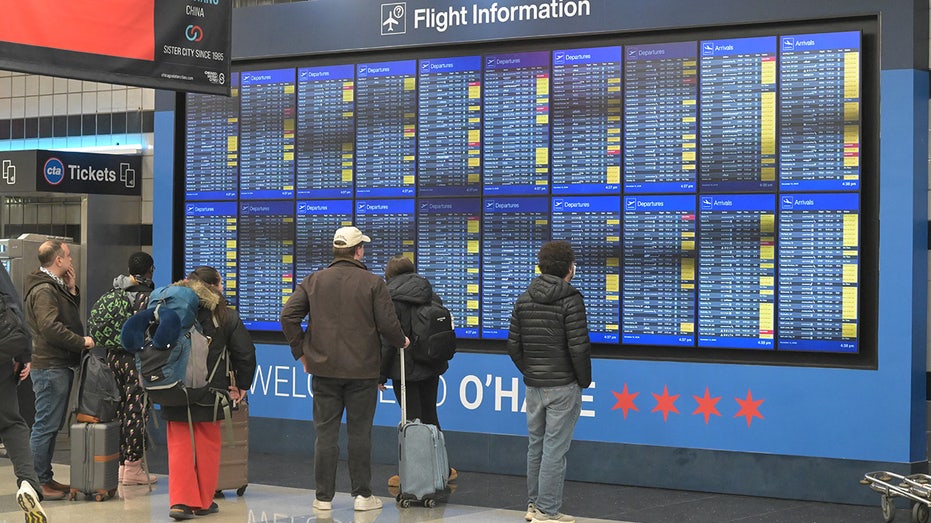
The Federal Aviation Administration (FAA) has temporarily stopped installing new routers in its telecommunications hubs across the nation. This decision follows a technical glitch that resulted in a nationwide ground stop last Friday, impacting numerous flights. The installation pause will continue while the FAA investigates the issue that led to widespread flight delays and cancellations.
The Wall Street Journal first reported the news, which was later confirmed by FOX Business. L3Harris, the contractor responsible for maintaining the FAA’s aging telecommunications infrastructure, had installed a new router at a radio transmitter site in Arkansas on Friday. This new router sent out excessive connection signals simultaneously, overwhelming the network. This interference hampered air traffic controllers’ communication with airplanes, leading to the ground stop.
L3Harris and the FAA Investigation
The FAA’s review identified routers in Arkansas and Texas as the cause of the disruption. Officials isolated these routers to stabilize the system. To prevent further issues, the FAA has also disabled the broadcasting functionality on over 60 similar routers.
The installation of these new routers was part of the FAA’s initiative to modernize its communications system by replacing old copper wires with fiber optic cables. This upgrade aims to enhance the system’s reliability.
Response and Future Actions
L3Harris has expressed its commitment to assisting the FAA in investigating the incident. The company reported that it, together with its telecommunications partners, has completed more than 70% of the conversion from copper wires to a fiber optic system.
In a document released on Sunday, the FAA stated the ground stop led to the cancellation of around 12,462 flights. Major airlines accounted for 9,082 of these cancellations, though not all were directly related to the ground stop.
Transportation Secretary Sean Duffy addressed the issue during press conferences on Friday and Saturday, highlighting the need for modernizing the FAA’s technology infrastructure.