
The nutritional impact of bananas on your health can vary based on their ripeness. As a banana matures, changes occur in its sugar, starch, and vitamin content. This variation can influence your decision if you need a specific nutritional profile. For instance, if you’re prepping for a workout or managing your sugar intake due to diabetes, you might choose bananas at different stages of ripeness.
Underripe Bananas
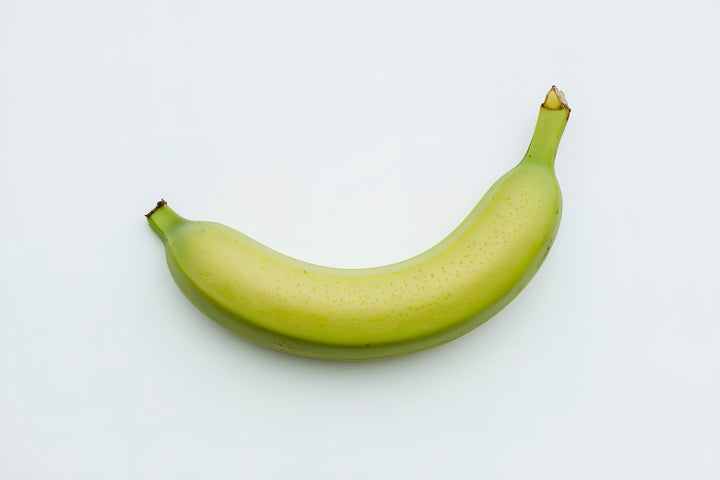
Underripe bananas are typically green, firm, and hard to peel. They have the highest content of resistant starch and lower sugar. According to registered dietitian Avery Zenker, resistant starch helps feed healthy gut bacteria, reducing inflammation and stabilizing blood sugar levels. This makes them filling and beneficial for those managing blood glucose, such as individuals with prediabetes or Type 2 diabetes. Additionally, they can aid in balancing gut health, especially in people with digestive issues like irritable bowel syndrome.
For added health benefits, consider pairing underripe bananas with peanut butter for protein and healthy fats, which improve blood sugar response. However, underripe bananas might not suit athletes due to the slower digestion, leading to potential digestive discomfort.
Barely Ripe Bananas
These bananas are mainly yellow with hints of green. They retain some fiber and have begun converting starches to sugars. Zenker notes that barely ripe bananas offer similar digestive benefits without the taste drawbacks of underripe bananas. They provide a steady energy supply and are suitable for those with insulin resistance or digestive conditions. They can also be advantageous for peri- or post-menopausal women by supporting gut health amid hormonal changes.
Ripe Bananas
Fully ripe bananas are yellow and soft with a sweeter aroma. Though the nutritional differences between ripe and barely ripe are minimal, ripe bananas have more natural sugars and antioxidants. They retain high levels of potassium and magnesium, essential for blood pressure and bone health. Zenker recommends ripe bananas for quick energy before workouts or boosting potassium. They’re also a kid-friendly option for an easy snack.
Very Ripe Bananas
Characterized by their brown spots and strong aroma, very ripe bananas are rich in sugar and low in fiber. They provide swift energy and are gentle on digestion—ideal for anyone with low appetite or digestive sensitivity. However, those managing blood sugar might opt for less ripe options due to their higher sugar content.
Overripe Bananas
Overripe bananas are brown or black and usually mushy. They have the most sugar and antioxidants but decreased vitamin C and fiber. Some vitamins like folate remain or even increase. These bananas work well for baking or smoothies due to their soft texture and sweetness, making them perfect for athletes needing quick calories. They might not be suitable for those requiring more fiber or nutrient density.
Ultimately, the best banana depends on your nutritional needs and goals. Though taste preferences matter, bananas offer benefits at all ripeness levels. As registered dietitian Amanda Sauceda points out, bananas can be a healthy choice, whether consumed green or ripe.