
The federal investigation into the Southern Poverty Law Center (SPLC) began in 2022 under President Joe Biden. Court papers highlight that the SPLC sought to dismiss the charges made by the Trump administration as ‘vindictive prosecution.’ This motion was rejected in August, although the investigation had roots in the previous administration.
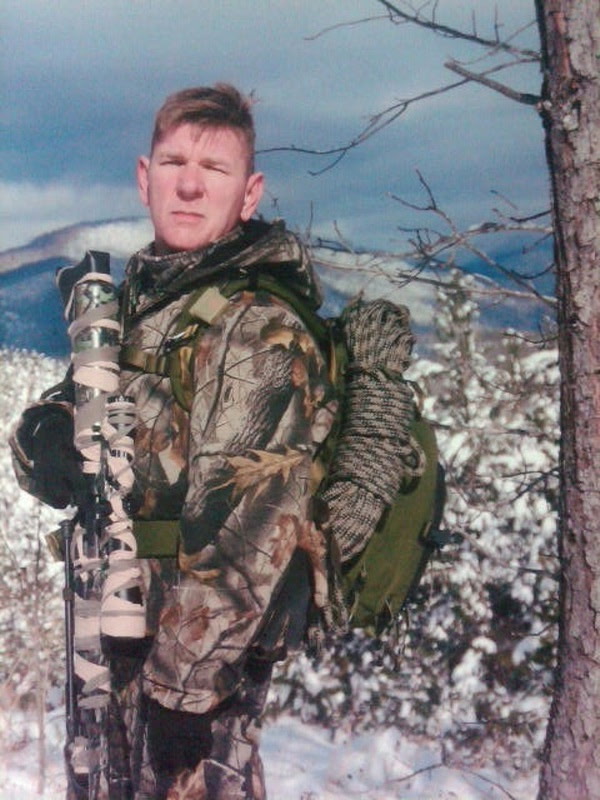
Attorney General Todd Blanche mentioned in an April Fox News interview that the case was ‘mysteriously closed.’ He indicated a lack of information about the reasons for this closure. An undated portrait of Lawrence W. Myers, a former member of the National Alliance, a white nationalist group, was shown. Extremism expert Heidi Beirich addressed rising extremism in the U.S. in December 2021, during which she was reportedly involved with ‘F-9,’ a neo-Nazi.
‘The Biden Justice Department wielded a double-edged sword. Everyone knows one side was sharpened to attack Biden’s political enemies, but the other side was dulled to prevent injury to their political friends, especially friends as powerful as the raw partisans at the SPLC,’ stated Scott Walter, president of the Capital Research Center. The center has been investigating the SPLC for years.
The SPLC, with $787 million in assets in 2024, faces charges of funneling money to hate groups that they claimed to oppose. The group is accused of using these groups as fundraising examples. However, the SPLC has pleaded not guilty, asserting that funds were only used to pay confidential sources for monitoring extremist threats.
Information in the case comes largely from F-9, a former National Alliance member, who turned informant. He reportedly supplied the SPLC with significant data, including over 1.2TB from hard drives. F-9 allegedly also engaged heavily with FBI and IRS agents, providing intelligence briefings with official seals and acting as part of the prosecution team, according to SPLC’s claims.
Myers, aka ‘Scary Larry,’ allegedly had a personal relationship with Heidi Beirich, the SPLC’s Intelligence Project director and a defendant. Court filings suggest that this relationship, once severed by Beirich, led to Myers flipping against the SPLC.
The SPLC claims Myers’ involvement spiraled after his relationship ended and his SPLC income was cut. The IRS moved in when Myers faced his own financial and criminal challenges post-SPLC relationship. Reports state Myers attempted to leverage his tax situation by sharing information with federal agents.
On October 28, the SPLC filed a motion to preserve documents and subpoena the informant, highlighting concerns about his motives and the integrity of the material provided against the SPLC.
Documents reveal F-9/Myers claimed possession of extensive evidence against the SPLC stored in a costly storage unit. He was reportedly impoverished, having accrued significant debts.
Myers’ history includes suspicion from right-wing groups, accusations of being a federal informant, and his exit from Media Bypass magazine. His former role as a photographer for the National Alliance has led to speculation about his collection of intelligence, which may have been covertly gathered.
The SPLC alleges that F-9 covertly took their records and privileged information, raising concerns about bias and self-interest in his actions. Ironic parallels were drawn to SPLC’s prior operations funding sources for monitoring hate groups. Federal agents accused SPLC of sending F-9 to infiltrate the National Alliance to steal confidential documents, which SPLC later publicized.
The upcoming trial is set for February, with significant attention on the dynamics between SPLC, federal charges, and the role of F-9 in the unfolding legal saga.