
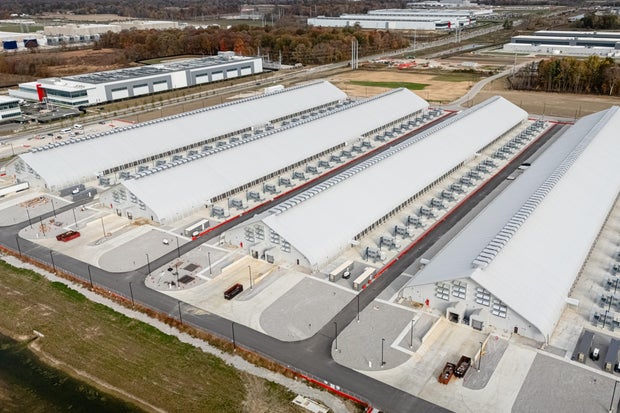
Data centers are rapidly spreading across the United States. With this growth comes significant economic and political debate over energy infrastructure costs. A recent study provides insights into these costs’ impacts.
Study Findings
A Cornell University study published in Nature Energy investigated energy demand growth and related infrastructure developments on four major U.S. power grids from 2020 to 2025. The study examined 4,000 data centers across the nation.
The findings revealed that rising energy costs tied to AI data centers primarily affect lower-income, rural households. These communities bear a disproportionate share of financial burdens compared to the data centers themselves.
Impact on Energy Prices
Researchers found that data centers caused uneven increases in wholesale power prices. These prices are set in an open market where energy is bought and sold in bulk before reaching consumers. Power grids already under pressure experienced the largest price hikes.
In California’s Southern Bay Area, wholesale energy prices rose by almost 20% last year due to data centers. In Texas’ Dallas-Fort Worth, prices increased by approximately 17% in 2025. However, regions like New York, with fewer data centers, saw little change.
Financial Burdens on Households
Higher wholesale prices impacted energy consumers downstream. Residential users covered significant portions of the spending on energy infrastructure built for data centers. Spending on the four power grids soared from $2 billion in 2020 to $34.2 billion in 2025. Of this, data centers were responsible for $8.25 billion in infrastructure costs, while residential users were billed over $16 billion despite incurring just under $3.5 billion in costs.
Outdated formulas for allocating energy costs along power grids meant households carried much of the costs for new power infrastructure development.
Disproportionate Effects
Rural and lower-income communities experienced stark increases in energy costs, sometimes 76% more than urban residents. Despite data centers being located near metropolitan areas, financial impacts extended to surrounding rural areas due to regional energy cost-sharing policies.
The study highlighted a mismatch in states with the largest energy price increases due to data centers versus those reporting AI technology usage. States like West Virginia and Ohio faced high costs with low AI usage. Additionally, states like New Jersey and Pennsylvania shouldered power grid update costs for Virginia’s data center growth without benefiting directly.
Recommendations for Policymakers
Researchers suggested data centers reduce energy use during peak demand periods or compensate states for additional energy demands. With data center regulation a major topic in November’s midterm elections, study findings aim to inform lawmakers.
“This issue connects directly to debates in many states and Congress,” said Fengqi You, a study author. “We provide science-based evidence and data for stakeholders to understand the situation and evaluate options.”