
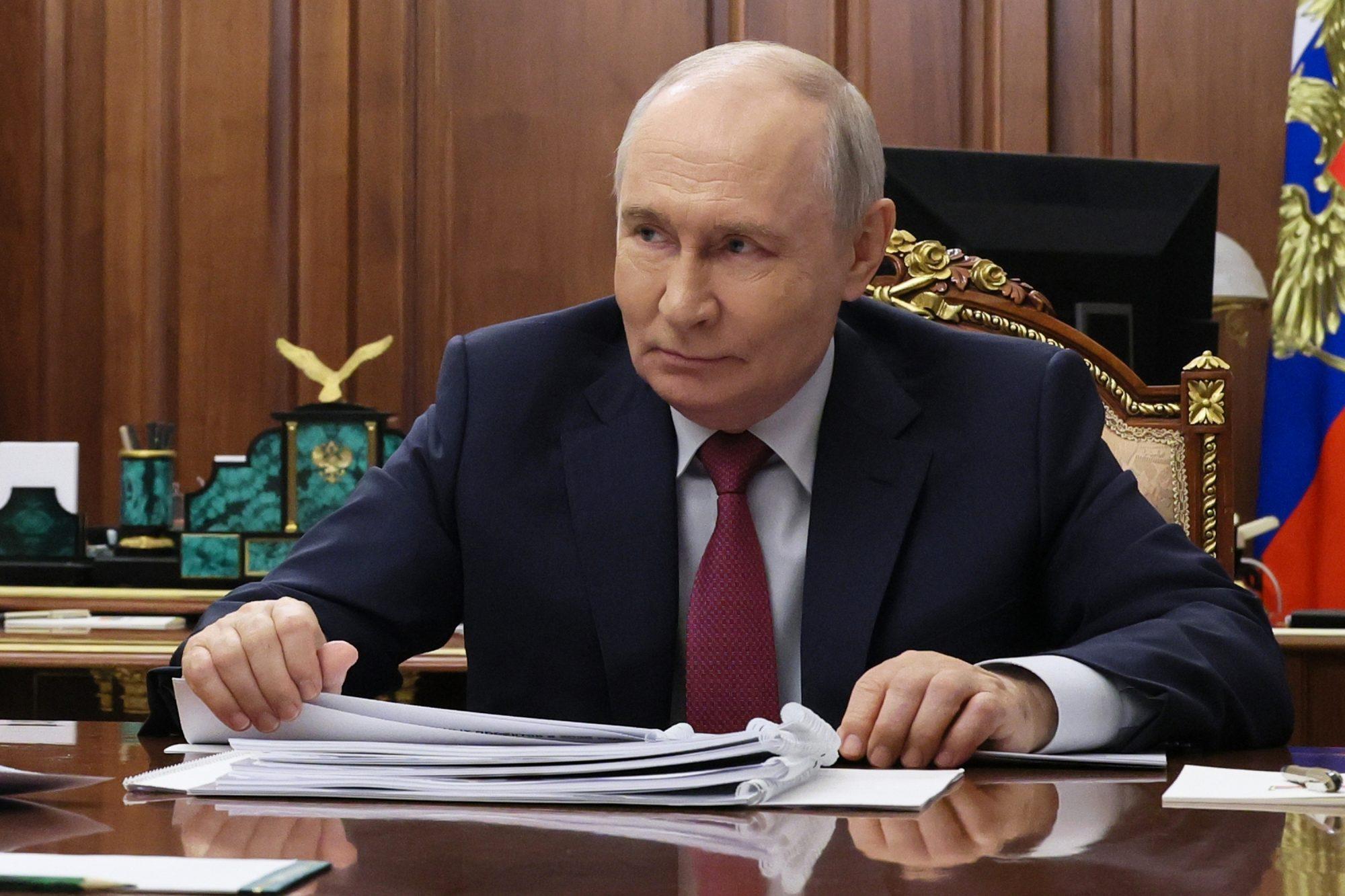
The ongoing conflict involving Ukraine presents significant challenges as another round of peace talks is set to begin in Abu Dhabi. Concerns arise from Russia’s involvement, including its assistance to Iran and collaboration with China to develop capabilities against U.S. satellites.
U.S. negotiators must remain vigilant against Russian strategies. Some individuals in the Trump administration believe Moscow’s persistent claims of Ukraine’s imminent collapse, despite evidence to the contrary from over a year ago. Additionally, Russian President Vladimir Putin has not demonstrated genuine goodwill.
The release of American Stephan Hubbard from imprisonment, alongside a local ceasefire around Oleshky, orchestrated by First Lady Melania Trump, offers little advantage to Kyiv. Putin can still capture hostages, and the pause only permits a few civilians to escape.
Recent decisions from Washington have seen sanctions under the Graham Act waived and diesel sanctions on Moscow suspended. This occurred without the Kremlin showing any concessions, displaying Putin’s ongoing hostile actions.
Putin’s relentless air campaign specifically targeting Ukrainian civilians, particularly their power infrastructure, persists. This creates a pressing concern for the coming winter.
President Donald Trump aims to conclude the Ukraine conflict, as stated by special envoy Jared Kushner. However, no advances have been made from Putin, who initiated the conflict nearly five years ago and shows no interest in peace without Ukraine’s capitulation.
Kushner emphasizes the need for a negotiated resolution supporting a sovereign, secure, and prosperous Ukraine within a stable European security framework. Without Putin’s concrete commitment to this goal, a ceasefire remains unlikely, and U.S. sanctions could be reinstated.
Russia’s alignment with Iran and China heightens concerns as the geopolitical landscape evolves. Trump’s remarks on “60 Minutes” suggest a possible territorial concession by Ukraine for peace, though Russia’s efforts have only seen minor territorial gains.
Heavy casualties, approximately 390,000, and a high ratio of Russian to Ukrainian casualties strain Russia’s economy and erode public confidence. Trump’s view that personal animosity between Putin and Ukrainian President Volodymyr Zelensky is the main peace impediment overlooks Putin’s persistent pursuit of what he perceives as victory, even amid failures.
Real peace hinges on disproving Putin’s assumptions, as no Western political developments promise redemption. Time pressures Putin to consider a ceasefire, with potentially diminishing terms for Russia in the future.