
A significant number of women achieved political office success in the recent U.S. midterm elections. Their victories have the potential to shift policy priorities regarding healthcare, childcare, and reproductive rights.
According to the Center for American Women and Politics at Rutgers University, at least 155 women are projected to serve in Congress in the coming year. This surpasses the previous record of 152 in 2024, marking nearly 30% of lawmakers as women. Democrats will likely have at least 111 women in the U.S. House of Representatives, compared to 17 Republican women.
Nationwide, 106 women will serve in statewide elective executive positions by 2027, an increase from the current 97. Women are expected to hold about 34.2% of statewide executive roles, encompassing governors and other influential positions.
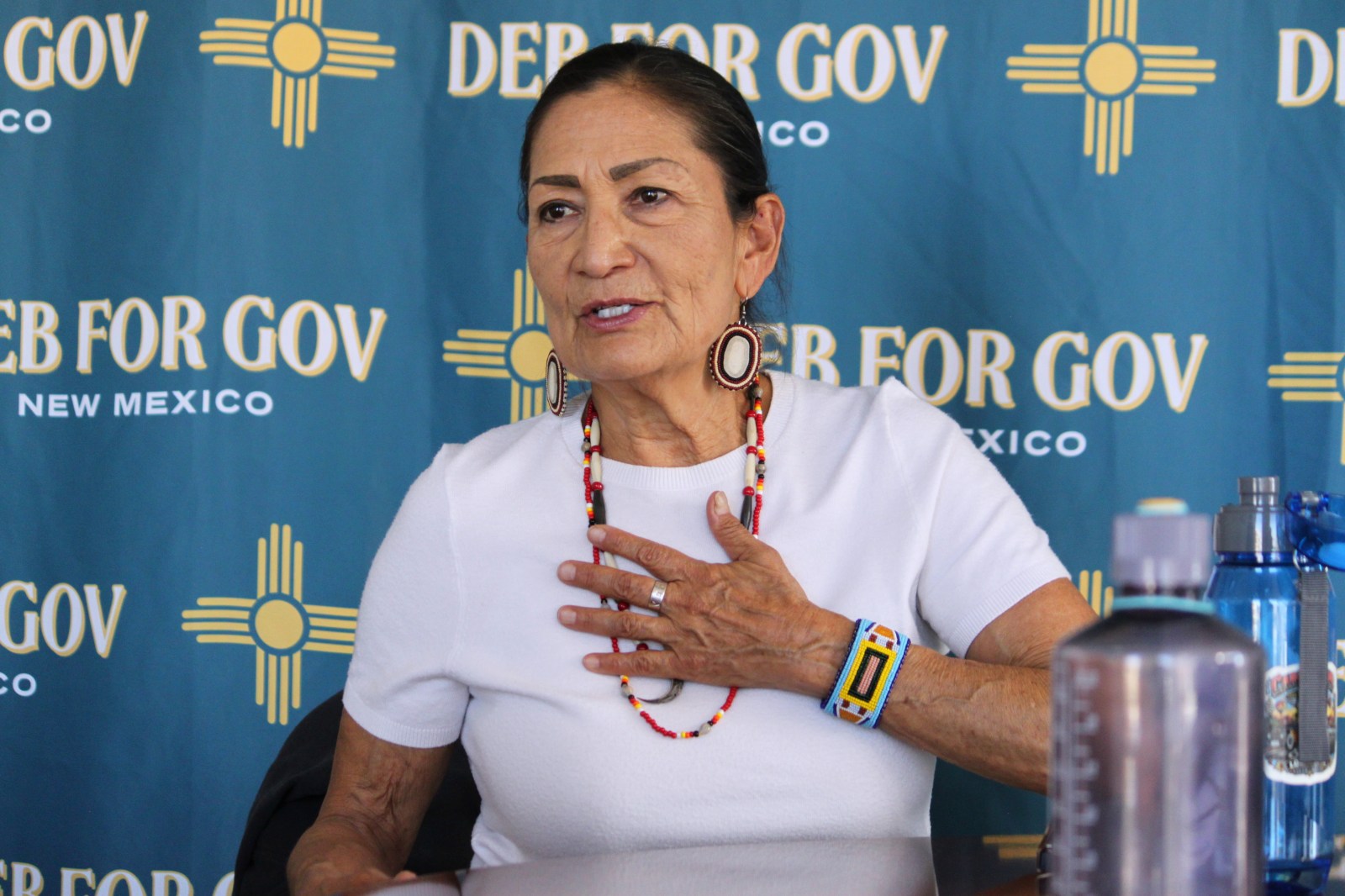
In a historic achievement, Keisha Lance Bottoms became the first Black woman governor in the U.S., elected in Georgia. Texas saw Gina Hinojosa become its first female governor in over thirty years and the state’s first Latina governor. Deb Haaland made history as the first Native American governor in New Mexico.
Mary Ziegler, an expert in abortion politics, described these changes as a ‘political earthquake.’ The challenges now lie in how these women will use their new positions to influence policy on issues like healthcare and education.
Partisan ties remain a strong predictor of voting behavior. Most newly elected women in 2026 were Democrats, complicating the separation of gender impact from party impact. Still, representation affects government priorities.
Georgetown University’s Michele Swers noted that women in Congress often focus on healthcare, childcare, education, and family leave. Although these priorities differ, women do not necessarily vote differently than men within the same party.
The progress women make in office is often gradual. Major policy changes develop through committee work and negotiations, rather than through sensational legislation. Examples include lawmakers like Patty Murray and Rosa DeLauro, who have long championed family leave and healthcare policies.
Abortion rights remain a crucial issue following the Supreme Court’s Dobbs decision. Despite decreased media focus, abortion significantly influenced the 2022 elections. Kelly Baden from the Guttmacher Institute stated that positions like attorney general can profoundly affect abortion access. She highlighted Texas, where the new attorney general might bring changes with national implications, and Georgia, where changes in abortion law could affect the region.
Baden asserted that abortion continues to drive voter motivation, even if not spotlighted in headlines or polls. However, Democratic victories do not entirely secure reproductive rights. Federal court cases and executive decisions still pose significant threats, as highlighted by Ziegler.