
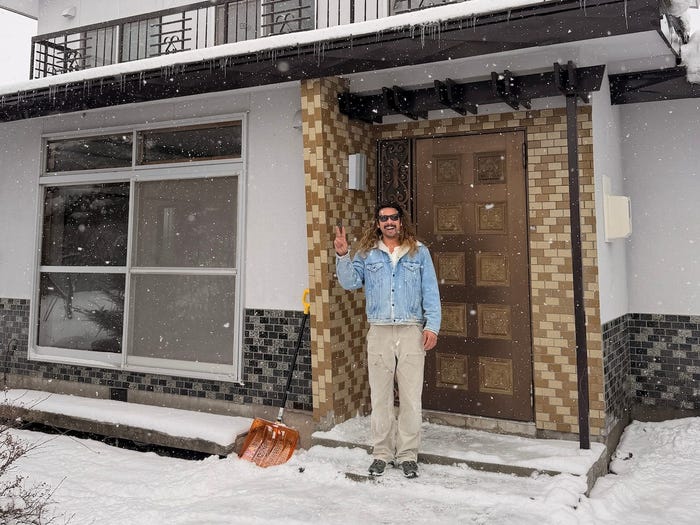
Keito Swan, a 37-year-old professional gambler, moved from Modesto, California to Hokkaido, Japan. This as-told-to essay shares insights on his journey and experiences.
Early Life and Decision to Move
Keito Swan was born in Sasebo, Japan, where his father served in the Navy. Growing up, Swan moved around due to his father’s career, living primarily in Seattle and California. He frequently visited Japan for snowboarding and had considered moving there, but initially saw vacationing as more practical than homeownership.
After driving the Pan-American Highway, Swan recognized that the U.S. might not be the right fit for him. He contemplated buying property in Argentina, but his Japanese citizenship, language proficiency, and cultural familiarity made Japan a more logical choice.
The Move to Hokkaido
In Hokkaido, Swan purchased a home for $115,000. The property required significant renovation, leading him to invest an additional $65,000 in remodels. Situated near Japan’s largest national park, his home offers proximity to ski resorts and a mix of outdoor activities.
Swan describes his location as rural, surrounded by rice fields and mountains. Despite the countryside setting, he enjoys access to urban amenities, being 15 minutes from an airport and 30 minutes from Hokkaido’s second-largest city.
Comparative Cost of Living
Living in Japan allows Swan a quality of life he could not afford in the U.S. He previously rented a suite in Sausalito, California, costing $3,200 per month. In Japan, Swan’s total monthly expenses are significantly lower, even during the costly winter months when utilities increase.
His electricity costs about $60 per month, property taxes are $35, and health insurance, including dental and vision, is just $30. Dining out locally is affordable, with meals costing around 1,200 Yen, or approximately $8.
Choosing the Right Location
Swan emphasizes the importance of understanding one’s needs when purchasing property. He sought areas with essential services like hardware stores, convenience stores, and restaurants. Such accessibility can be rare in Japan’s more remote areas.
Paying $180,000 total on a home in Japan was intentional for Swan. He avoided cheaper properties in worse condition, focusing on places with increasing land values.
Investment Insights and Lifestyle
Swan cautions against viewing Japanese property as a financial investment due to the diminishing value of homes there. Instead, the land itself holds potential value, depending on location and population trends.
His Japanese lifestyle remains consistent with his activities in the U.S., involving hiking, snowboarding, and gardening. Being fluent in Japanese and having citizenship were crucial in making his relocation successful.
Swan encourages those seeking a new beginning to pursue it thoughtfully but warns that Japan may not align with everyone’s vision of success.