
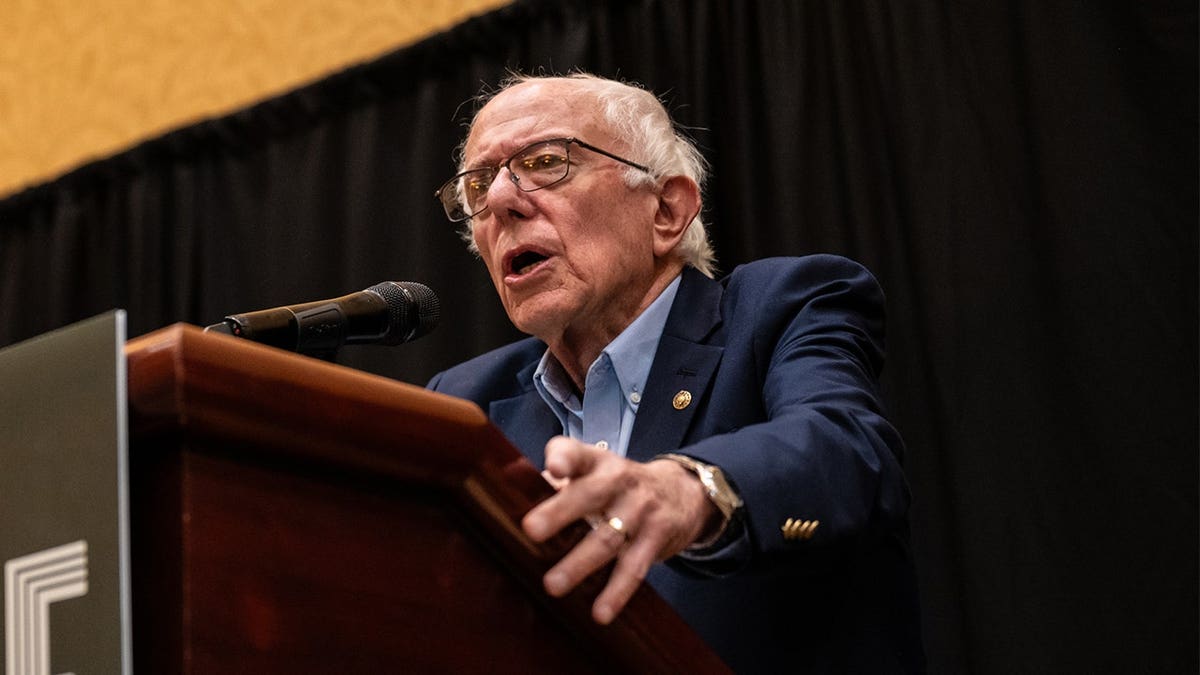
Senator Bernie Sanders, an Independent from Vermont, spoke in an interview on Thursday about the future of Medicare-for-all legislation. While talking with MS NOW host Chris Hayes, Sanders acknowledged the uncertainty about President Donald Trump’s stance on the proposal, despite skepticism from Hayes regarding its viability.
Sanders emphasized that healthcare should be seen as a human right, pointing out that Medicare-for-all has garnered support from over 60% of Americans, including possibly 80-90% of Democrats. During the interview, Hayes interjected, acknowledging the growing public support and noting that attacks in some political contests had not focused on this issue.
“I think you and I would agree, the odds of Donald Trump signing that into law, pretty small. … You’re going to have Senate and House, right?” Hayes asked.
Sanders responded firmly, disagreeing with Hayes. He insisted that Trump might not be opposed to signing such legislation, despite possessing the constitutional right to veto it.
Sanders argued for the responsibility of Democrats to push for Medicare-for-all, regardless of presidential opposition. He noted how Trump might surprise many by signing it if he perceived a broken system and popular support for reform.
“You know what? Donald Trump may be a bit crazy, but he is not stupid,” Sanders stated. “He’s a good politician. And if this guy looks out all over the country, and he says, ‘Oh my God, everybody knows the system is broken. You know what, what do I got to lose?’ So, I am not absolutely certain that Trump would not sign it.”
Sanders has long championed Medicare-for-all, and the concept is gaining traction within the Democratic Party. However, Sanders sees it as crucial to continue to press the issue, sending a clear message to the American public.
Psychotherapist and author Jonathan Alpert noted Sanders’ longstanding rhetoric, suggesting Sanders is knowledgeable in leveraging public frustration. Alpert considered Sanders’ acknowledgement of Trump’s political savvy as an acknowledgment some Democrats are hesitant to make. Alpert interpreted Sanders’ remarks as strategic, potentially using a form of psychological maneuvering to appeal to Trump.
Sanders’ comments came on the heels of a significant Democratic victory in the midterm elections, where the party regained control of the House and Senate. The political landscape following these elections could influence discussions surrounding Medicare-for-all and other Democratic priorities.