
Two undergraduate students at Tulane University found an anatomical feature that even their professor did not recognize. Dominic Roy and Cooper Bruce, both 19 at the time, made the discovery in 2024.
In an interview, Roy shared that the day felt usual as they worked in a cadaver lab with Dr. R. Shane Tubbs, a neurosurgery professor and director of surgical anatomy at Tulane’s School of Medicine.
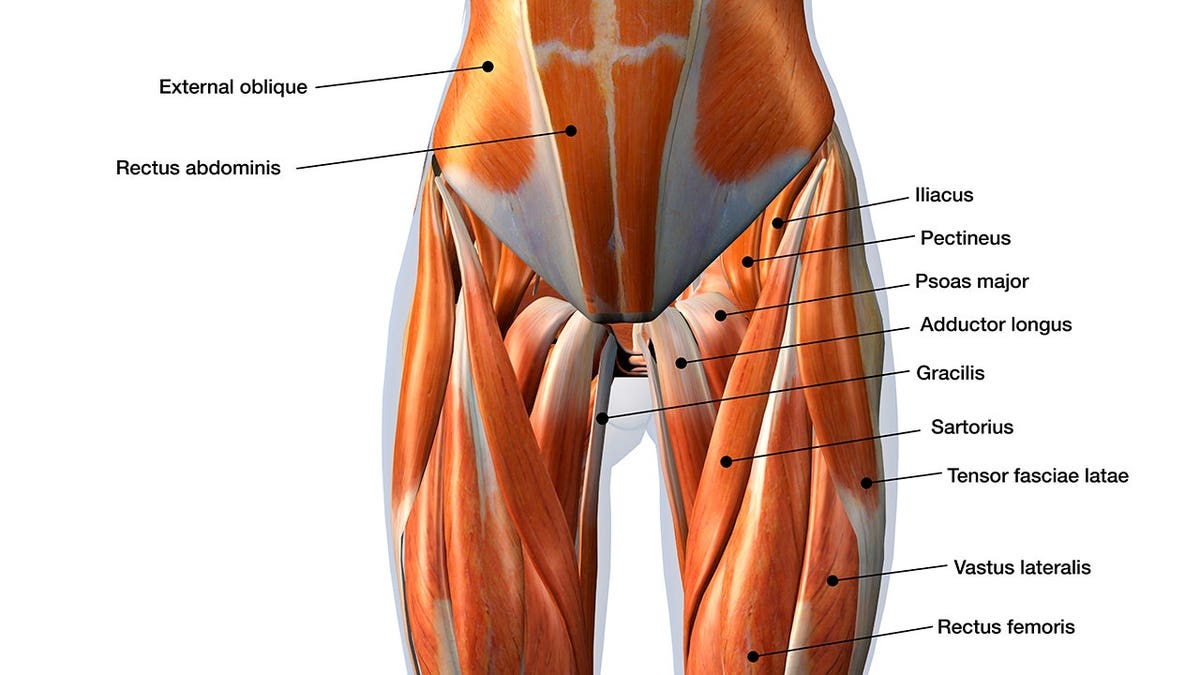
The students dissected several hips to study where the iliacus joins the psoas major. While examining the iliocapsularis muscle, Roy noticed something unexpected.
“I found a muscle similar in appearance on the other side of the iliac fascia, near the pelvis’s inguinal region,” Roy recalled.
Curious, Roy asked Dr. Tubbs for insight. Despite searching through extensive literature, they couldn’t find prior mention of the muscle, suggesting it was a new discovery.
Bruce mentioned the initial surprise: “If the renowned Dr. Tubbs couldn’t identify it, we might have found something new.” Other physicians and students joined the discovery efforts.
The findings, recently published in Clinical Anatomy, highlight a muscle part deep in the pelvis, extending toward the hip. Dr. Tubbs confirmed, “[The students] identified a unique muscle section not observed before.”
Though the muscle’s function is still unclear, it might stabilize the psoas major. The next research step involves MRI scans to explore potential symptom correlations.
Dr. Tubbs’s lab employs anatomical donors for both education and research, aiming to detect clinical problems. “Understanding this muscle could enhance care for hip surgery patients,” Dr. Tubbs stated.
Dr. Tubbs added that surgeons could use injections to address pain or issues caused by the new muscle. The discovery offers potential for better surgeries and pain management.
“Surgeons frequently perform hip procedures. Understanding this muscle may inform patient symptoms and treatment,” Tubbs said.
The team noted the muscle wasn’t present in every cadaver, underlining that human anatomy varies. They found a similar muscle attachment in gorillas, suggesting an evolutionary link.
Bruce expressed curiosity over the muscle’s occasional absence in humans: “Different activities could explain its development in certain individuals.” He speculated that sports like soccer might influence its necessity.
Dr. Tubbs emphasized hands-on experience with cadavers. “Synthetic models overlook individual anatomical variations,” he noted.
While more research across different regions is necessary, Dr. Tubbs believes the discovery will eventually make its way into textbooks.
This experience has motivated the students to pursue medical careers. Roy aims to further his studies in anatomy, realizing that anatomical discovery is ongoing, even in modern times.