
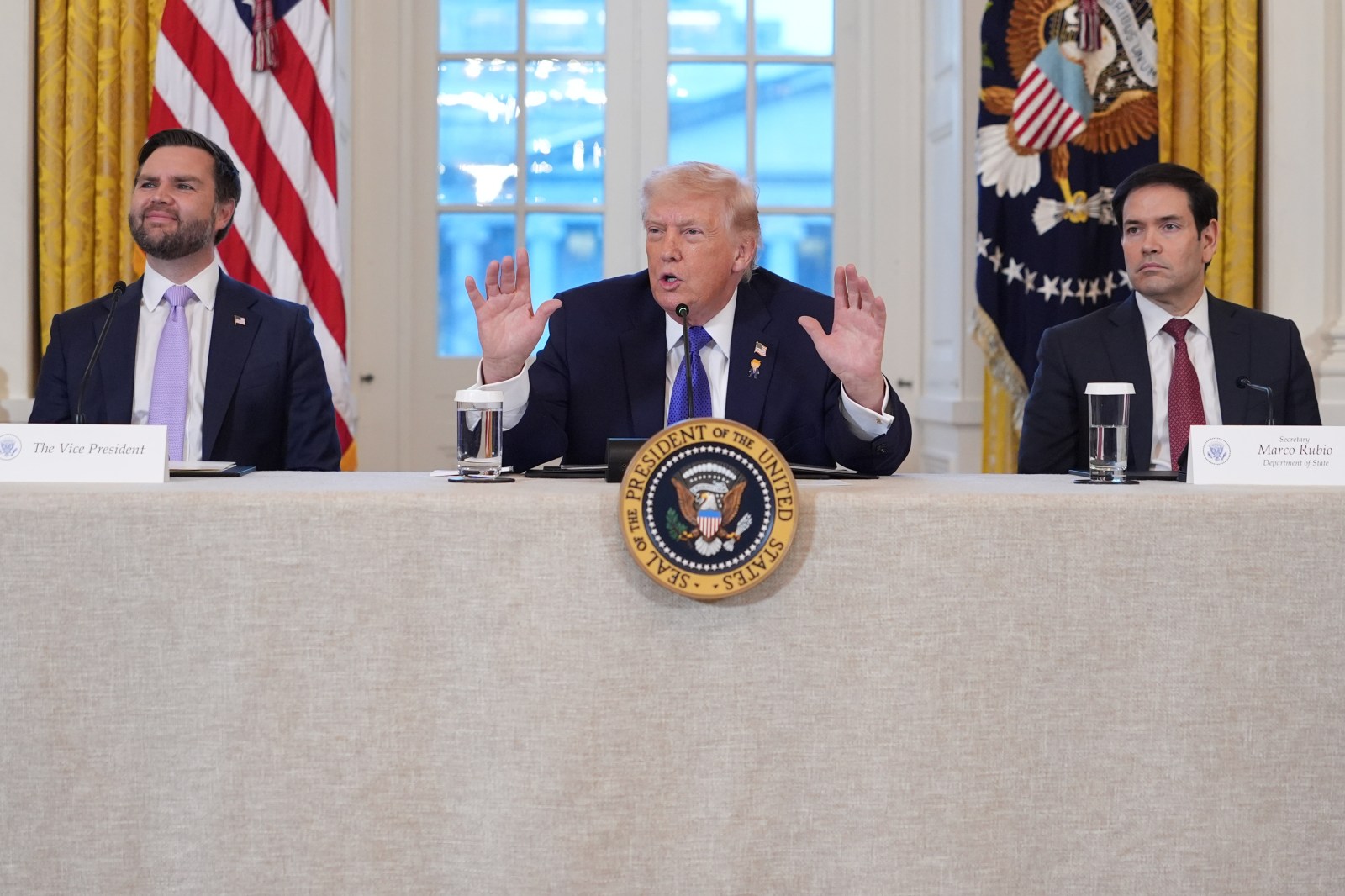
Vice President JD Vance and Secretary of State Marco Rubio are facing new challenges after Democrats secured control of both the House and Senate in recent midterm elections. Wins in several key states have reshaped the political map, complicating Vance’s and Rubio’s aspirations for the 2028 presidential race.
Democratic Gains
Democrats achieved surprising victories, flipping Senate seats in traditionally Republican strongholds. Notable wins include James Talarico’s success over Ken Paxton in Texas, a state that had not seen a statewide Democratic win since 1994. In a significant upset in Ohio, Vance’s home state, Amy Acton defeated Republican governor candidate Vivek Ramaswamy, and Sherrod Brown won against incumbent Senator Jon Husted.
While strong Democratic performance was predicted, the magnitude of Republican losses left the party reevaluating its future. Vance and Rubio are key figures considering taking on the MAGA faction leadership, especially since Donald Trump has expressed approval toward them. The central question remains: Will the Republican Party continue its alignment with Trump, or will it shift direction?
Vance’s Political Quandary
Vance backed Ramaswamy’s gubernatorial campaign strongly, despite controversies, but the efforts weren’t enough to secure a victory. Following the election, Vance pointed out in a social media post that Republican failure was partly due to dissatisfaction with ongoing international conflicts, particularly as voters sought domestic economic improvements.
Trump, supportive of Vance’s stance, acknowledged the war’s impact on the party’s losses but attributed more blame to high gas prices. Florida Governor Ron DeSantis echoed these sentiments, emphasizing the war’s negative repercussions on the party.
Rubio’s Position
Rubio remained relatively detached from the campaign process, focusing on his role as Secretary of State. Experts suggest this strategy might benefit him by distancing his image from election failures. With his attention on Latin America, Rubio’s political background as a Cuban-American may help him secure Latino support.
In contrast to Vance, Rubio finds himself less tied to contentious political decisions, giving him room to emphasize economic issues. Rubio’s conservative position offers an advantage as traditional Republican values continue to hold sway with certain voter demographics.
Looking Ahead
The recent elections underscore the changing dynamics within the Republican Party. As the 2028 election looms, discussions speculate whether candidates should wait until 2032 to campaign in light of voter sentiments. Regardless, the next political move for both Vance and Rubio remains under scrutiny as the party navigates its future direction.