
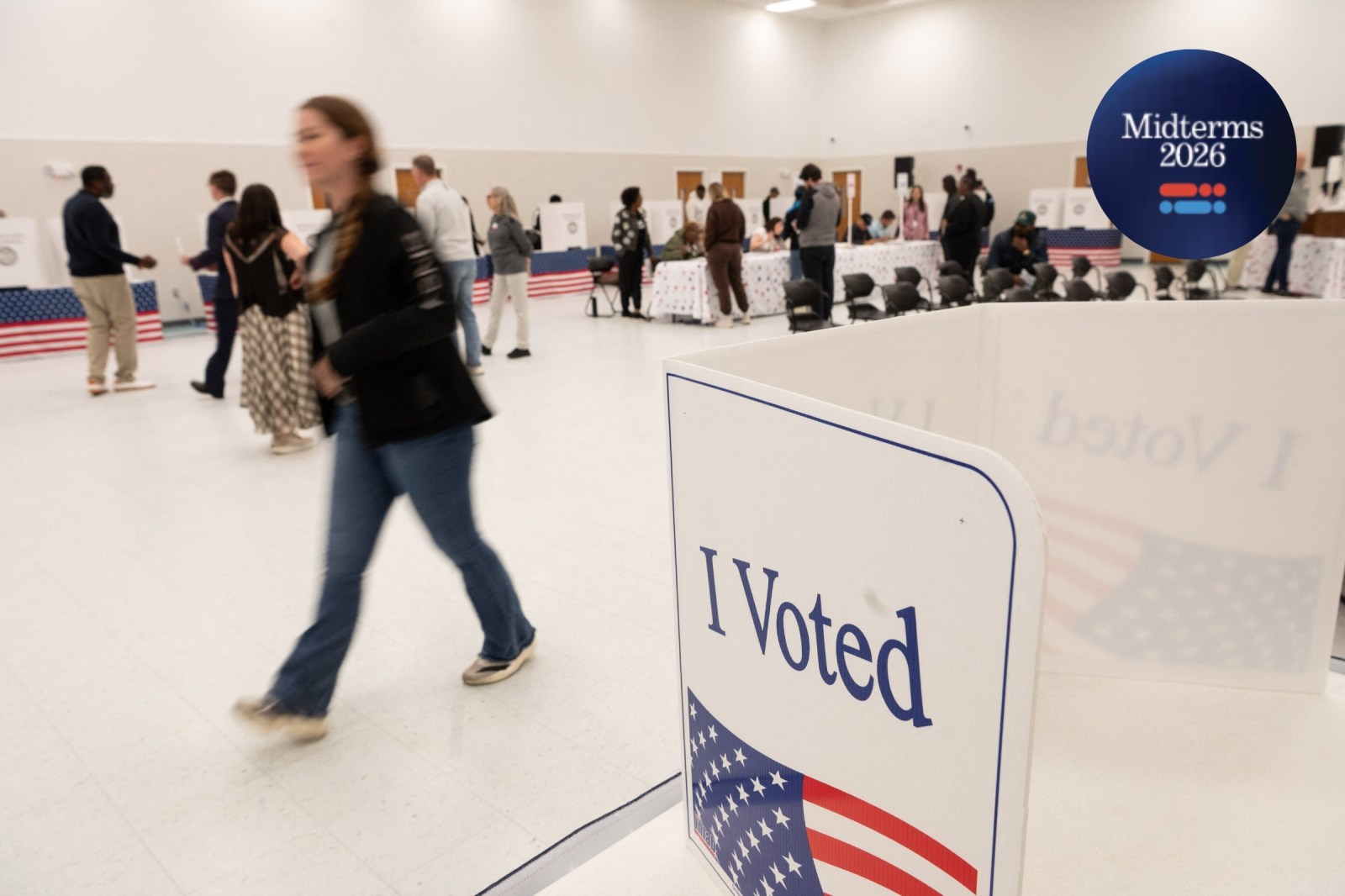
Democrats experienced significant victories in the midterm elections, gaining control over state legislative chambers across the United States. These are crucial for setting policies on abortion laws, education funding, taxes, and electoral rules. In Wisconsin, Democrats captured both legislative chambers and retained the governor’s office, achieving a unified government not seen there in 16 years.
Political scientist Thad Kousser highlighted the importance of these wins, noting that Democrats now have ‘trifecta’ control—holding both legislative chambers and the governor’s office— in several states.
Significant State Gains
Although final election results were pending, Democrats made substantial gains. They flipped both legislative chambers in Wisconsin and New Hampshire, the Pennsylvania Senate, and various state houses, such as those in Michigan, North Carolina, Texas, and Minnesota. In Georgia and Arizona, Democrats seemed poised to control their lower chambers as well.
Boris Shor, a political scientist, suggests that despite Democrats holding the majority in Congress, the presidential veto maintains potential gridlock. However, in states with unified control, Democrats can enact legislation more freely.
Impact of State Control
State legislatures handle a broad range of issues, often surpassing Congress in policymaking. Steven Rogers, another political scientist, pointed out that state governments manage most education spending and transportation planning. Additionally, Democratic-controlled legislatures might focus on environmental policies.
Boris Shor drew attention to state trifectas being significant. In states like Wisconsin, where new policies such as Medicaid expansion could be adopted, such control is vital.
Historical Context
Since 2010, Republicans had dominated state legislatures. By 2026, Democrats managed to gain several key trifectas. In Texas, for example, Democrats elected a governor and achieved significant legislative control despite the state Senate remaining under Republican influence.
Potential National Effects
On a national scale, states can impact major policy areas, including AI regulation. Thad Kousser notes that state legislatures might address pressing issues, such as AI-related data centers, in their jurisdiction.
State control also impacts electoral processes. Legal challenges against GOP redistricting have grown, and Democrats’ state-level control offers them an opportunity to redraw congressional maps to their advantage.
Future Prospects
Kousser remarked on the fast pace of American politics. While recent victories have opened the way for Democrats to implement meaningful change, they must act swiftly to maintain voter support amidst the coming electoral cycles, including the 2028 presidential race.