
A historic shift in Congress occurred as the Democratic Party gained control of both chambers. The party flipped up to seven Senate seats and at least 29 in the House of Representatives. Two years prior, a Republican surge was evident, but a combination of factors led to this dramatic turnaround. Voter dissatisfaction with the economy, rising Democratic approval, shifts in key voting groups such as Latinos and Black men, declining Republican support, and rejection of Donald Trump contributed to the outcome, according to NBC News Exit Poll surveying over 79,000 voters nationwide.
Democrats’ Strategic Goals
With control set to begin in January, Democrats aim to oversee Trump and his administration. This needs to happen while requiring his cooperation for legislative goals. Chuck Schumer, Senate Minority Leader, articulated their mission to deliver outcomes for Americans. Hakeem Jeffries, set to be the next Speaker, emphasized a dual focus on administrative oversight and legislative accomplishments, highlighting the bipartisan 21st Century Road to Housing Act as a template for future action.
Global Responses to Midterm Outcomes
The outcome resonated beyond U.S. borders. In Iran, reactions pointed to it as a rejection of U.S. and Israeli military actions. Mohammad Bagher Ghalibaf, Iran’s parliamentary speaker, alluded to elevated gas prices faced by Americans, stating that they said no to war. The tone in Ukraine was cautiously optimistic, while European reactions suggest limited changes in U.S. relations.
Urgency in Addressing Affordability
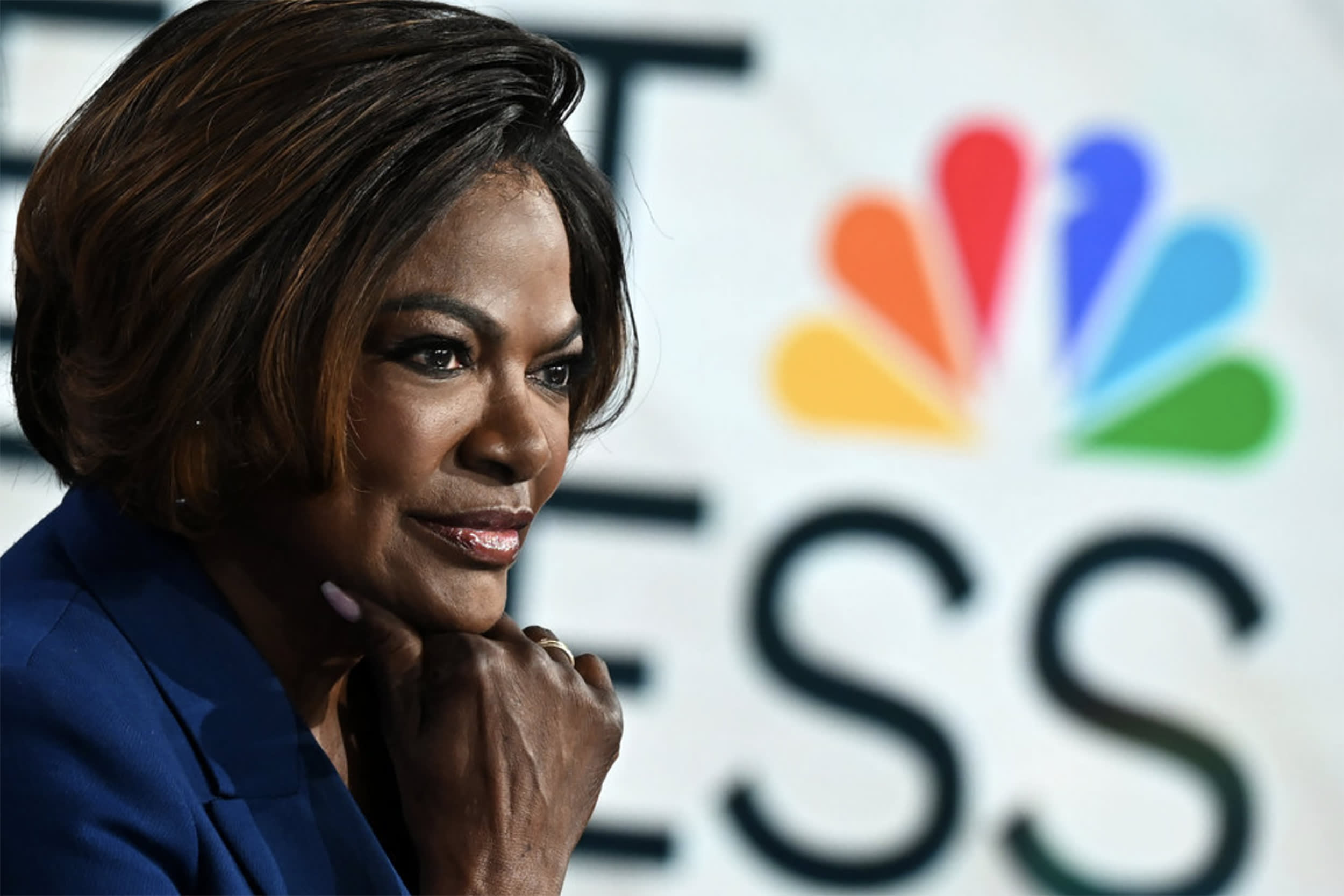
Val Demings, former Representative from Florida, pinpointed affordability as a top concern. She criticized moves perceived as politically motivated and urged cost reduction as primary. Robert Garcia of California signaled a strong stance on accountability, ready to lead the House Oversight Committee.
Women Lead with Record Gubernatorial Wins
This election marked an unprecedented number of female governors elected. In 15 states, women secured leadership roles, with eight Democrats and two Republicans projected to win. Notable Republican victors include Arkansas’ Sarah Huckabee Sanders and Tennessee’s Marsha Blackburn.
Nevada’s Shift in Leadership
Nevada elected Aaron Ford as governor. Previously state attorney general, Ford becomes Nevada’s first Black governor. Democrats targeted economic policies linking Joe Lombardo and Donald Trump, criticizing their planned tax and spending measures as harmful to lower-income residents.
Key Victory in Michigan Senate Race
In Michigan, Abdul El-Sayed took a Senate seat from Republican Mike Rogers, marking a win for the Democratic Party’s left wing. The win underscored the party’s success nationwide in battleground states and deep-red states alike, leading to comprehensive control of Congress.
Post-Midterm Reflections
Reflecting on the elections, the limiting of Trump’s influence was clear. Democrats maintained focus on economic issues amidst inflation and interest rate pressures. However, the political climate continues to revolve around Trump’s past and future impact.
Republicans Confront Election Outcomes
Republicans began processing the breadth of their losses, which included unexpected defeats in both competitive and traditionally Republican states. Democrats stand on the brink of their largest congressional majority in nearly twenty years, cementing their control at both national and state levels.