
The polling location at Rockbridge Elementary School in Gwinnett County, Georgia, received an extension of voting hours by seven minutes after a school safety drill caused a brief voting pause. A judge ruled that voters arriving between 7:00 p.m. and 7:07 p.m. can use provisional ballots, separate from other provisional ballots. Those already in line by 7:00 p.m. will cast regular ballots.
Iowa Secretary of State Paul Pate clarified that fewer than 30 Department of Justice election monitors are present in Polk and Linn counties. They are observing, not interfering. Pate highlighted acceptable election procedures so far.
Concerns over rising costs have Trump at the center of voters’ blame, according to NBC News Exit Polls. 44% of voters feel worse off financially than when Trump entered office, while only 18% feel better. Inflation and the cost of living draw significant voter concern, with many attributing the issues to Trump’s policies.
Trump’s disapproval rating has reached 62% in early exit polls. A majority consider Trump a factor in their vote, with 43% opposing his influence.
Trump spoke on Dan Bongino’s show without focusing on election details. He mentioned significant U.S. investments but used inconsistent figures, conflicting with White House claims.
According to NBC analyst Stephen Richer, the election is proceeding smoothly, despite minor hiccups like programming errors in some New York polling machines and Broward County, Florida’s technical challenges.
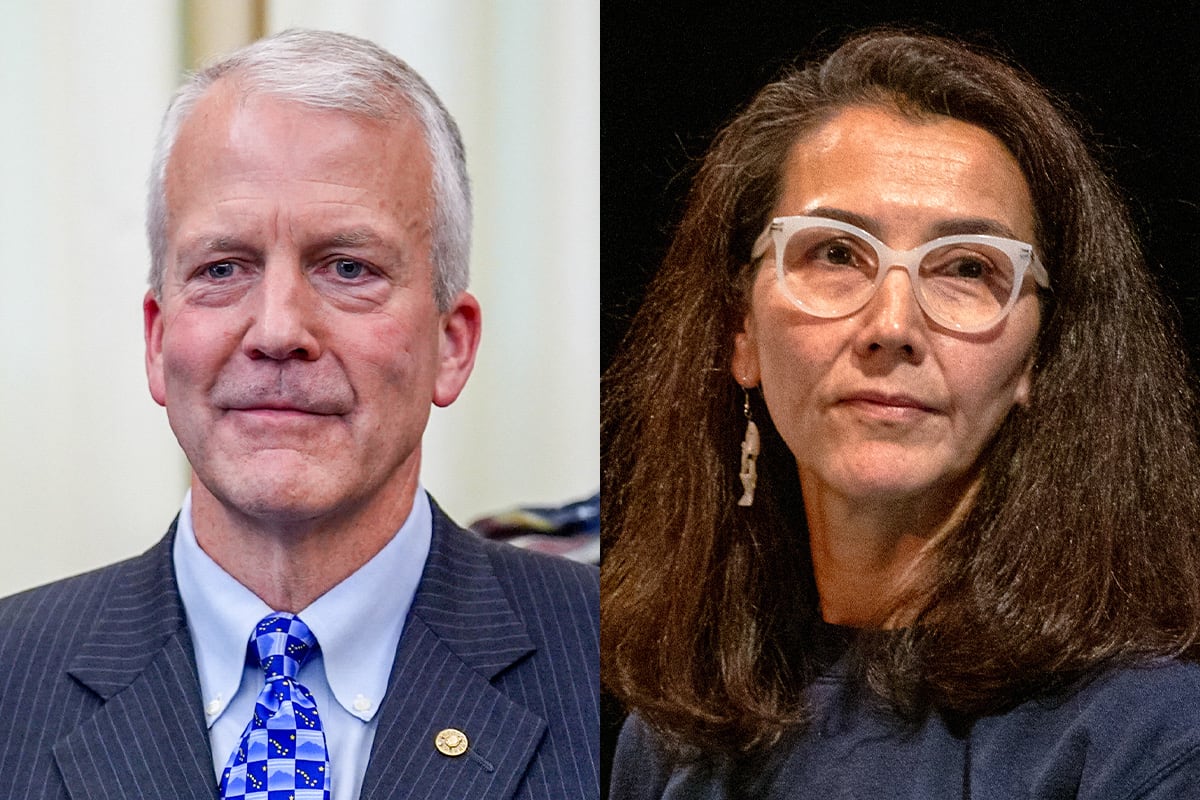
Juneau voters are relieved as the election concludes amid a high-profile Senate race. Key issues include perceived corruption and election mandates drawing attention.
Virginia polling locations in Richmond faced shooting threats, but voting continued securely with police ensuring safety.
In Lawrence, Kansas, voters cast ballots in unique locations like grocery stores, with local turnout reflecting national voter sentiment.
Paul Hebert of Chester County reported extended voting hours due to earlier machine set-up delays.
The House’s control is contested as both parties strive for power, impacting Trump’s final term years and Democrats’ oversight ambitions should they prevail.
Progressive independents eye key House seats, challenging established Democrats with hopes to expand their influence.
Voting times extended in several North Carolina precincts due to opening delays, slightly delaying state election result postings.
Routine voting issues in Westchester County prompted conspiracy theories, but officials assured voters all ballots remain secure and will be counted.
Maine voters remain split between candidates Susan Collins and Troy Jackson, reflecting the hotly contested Senate seat race.
Abdul El-Sayed rallied young voters for his Senate campaign at the University of Michigan, emphasizing progressive priorities like healthcare and housing.
Photos capture young children witnessing democratic processes across the U.S., showing involvement at polling stations.
Democratic voting attorney Marc Elias has been targeted by a DOJ letter amidst an Alaska Senate race investigation tied to Election Day controversies.
Last night, a White House official said Trump feels prepared and optimistic despite widespread criticism.
DJs at the Polls in Dallas brought energy to voters, encouraging participation regardless of party affiliation.
A Sacramento man faced charges for mail obstruction, including political mail delays, further complicating election processes.
Iowa voters voiced concerns over national and foreign policy decisions affecting local political views, maintaining party lines nonetheless.
Dearborn, America’s only Arab-majority city, saw voter turnout surpassing 2022 levels, demonstrating active civic engagement.
New York State faced voting machine issues due to a late election programming update, managed under existing ballot security procedures.
Two Texans based their voting choices on wanting better representation and accountability, expressing economic and social concerns.
Kansas and Fulton County voting incidents highlighted localized election disruptions, underscoring technical and communication challenges.
Democratic National Committee Vice Chair Jane Kleeb indicated Democratic preparation against potential Republican election contestations.
In San Francisco, unique polling locations like columbariums embraced voter turnout, ensuring participation in every unique aspect.
An election denier faced federal charges for intimidating letters containing white powder, revealing severe pre-election tensions.
Westchester County executive denounced local voting glitches, demanding accountability and highlighting election procedure integrity.
Colorado’s Election Day endured unexpected severe weather, affecting voter logistics but maintaining democratic commitments.
New Hampshire’s GOP nominee pledged independence in Congress amid national attention and controversy.
In Los Angeles, mayoral candidate Nithya Raman engaged voters with family, emphasizing personal connection in political participation.
Celebrating civic excitement, Rob Gronkowski encouraged New Hampshire voter turnout, reinforcing community involvement.
Former Congressman Mike Rogers expressed confidence in his Michigan Senate race, welcoming support from Democrat Haley Stevens.
New York’s Westchester County faced scrutiny over voting machine issues, but local reassurance ensured voters their voices matter.
Record gas prices emerged as an unprecedented Election Day factor, fueling contentious discussions over economic responsibility.
Ohio’s gubernatorial race saw criticism over ads utilizing candidate family dynamics, spotlighting unexpected personal campaign impacts.
Florida voter turnout mirrored 2022 patterns, with regional variations reflecting differing partisan strengths in diverse demographics.
The Cybersecurity and Infrastructure Security Agency’s decision against media briefings might raise transparency questions amid technical challenges.
Emphasizing change, NAACP President Derrick Johnson highlighted Black voter urgency amid economic and social pressures.
Colorado flooding affected voter logistics, but the state adapted, maintaining election processes with alternate voting methods.
In Michigan, campaign endorsements stirred political dynamics, influencing voter sentiment and party coherence.
Ballots cast from space highlighted technological progress in electoral participation, emphasizing versatility in citizen engagement.
The potential shift in Senate control prompted speculations on policy directions and legislative priorities if Democrats gain power.
Ohio’s Senate candidate Vivek Ramaswamy engaged family in civic duty, reinforcing personal commitment in political races.
Westchester County’s delayed voting machinery prompted administrative actions to ensure accurate ballot counting.
Election night results’ timing depends on volatile forecasts and swing state influences, pending counting processes and polling data.
Sensational electoral developments, including Schumer’s timid optimism, underscored the charged political climate and public anticipation.