
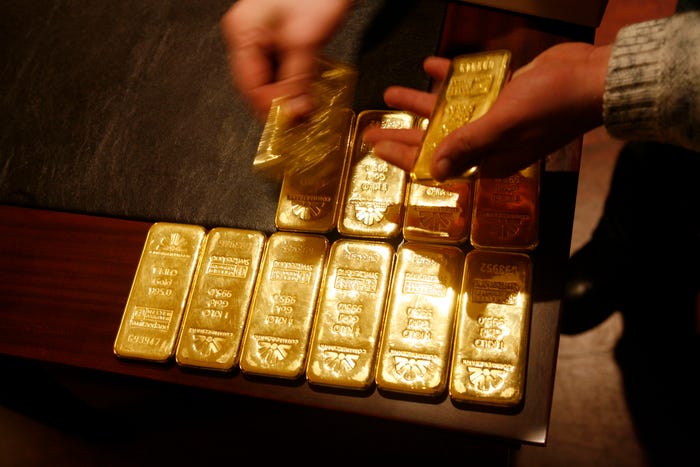
Gold is experiencing a significant decline, marking its toughest year in over a decade. While AI stocks have captured investor attention, gold prices have been quietly dropping. Since January, gold has decreased by about 29%, trading below $4,000 an ounce. This shift is linked to several issues affecting the US economy and markets, such as increased rates and a risk-off move in stocks.
Currently, gold is down 9% for the year, heading for its worst annual performance since 2015 when it fell around 10%. The decline is noteworthy given its worst October since the Great Financial Crisis, as noted by economist David Rosenberg.
Traditionally, gold is considered a safe haven, appreciating in volatile stock markets or during geopolitical turmoil. It typically attracts demand as an inflation hedge, yet this trend has not held in 2026 even as oil prices surge due to the Iran conflict. Rosenberg notes gold is behaving unpredictably, resembling a risk asset rather than a stable refuge.
Factors Contributing to Gold’s Decline
Several atypical factors have influenced gold’s continued slide, despite conditions usually supporting a rally. Analysts identify the primary drivers behind gold’s performance and offer insights into the US economy and markets.
Higher Yields
Rising rates have made holding gold less appealing due to opportunity costs. Typically, fears of inflation benefit gold prices, but expectations of higher rates bolster Treasury yields and the US dollar’s value—both competitors to gold for investment. Elevated Treasury yields reflect ongoing US fiscal and inflation concerns, with the benchmark 10-year US Treasury yield at about 4.91% on Tuesday, up 77 basis points year-to-date.
The strengthened US dollar against major currencies, as seen in the US Dollar Index rising to 101, impacts gold negatively. The expectation of further Federal Reserve rate hikes adds to gold’s challenges, with markets anticipating a 75% probability of a rate increase by year-end and further hikes in 2027.
Declining Gold Demand
Gold jewelry’s declining consumer demand contributes to the price drop. Though central banks purchase gold to diversify reserves, other demand sources are waning. The World Gold Council notes a 19% annual decrease in bar and coin demand and a 17% decline in global jewelry demand.
In the US, gold jewelry revenue rises, yet unit sales fall. Growth focuses on higher-priced items, while lower-cost goods lag, as observed in a Tenoris report.
The K-shaped economy may impact gold’s decline. Luxury shoppers reduce purchases, influenced by inflation. Slowed jewelry and luxury goods sales globally are evident, with US and Chinese consumers cutting back.
Risk-Off Market Sentiments
Analysts suggest investors sell gold due to heightened risk-off sentiment. Michael Nagle highlights a negative investor outlook amid AI sector losses, with the Nasdaq 100 in correction and shedding nearly $2 trillion in market value since October’s start.
Margin calls on tech stocks prompt investors to sell gold, Rosenberg suggests. Margin trading may lead brokerages to require more cash reserves for stock losses, as seen in high debit balances in margin accounts in October per FINRA data.
Technical Holding Pattern
Gold historically stagnates after significant rallies, Torres explains. After a double-digit rise in 2025, gold faces potential long-term stagnation. Investors may favor stocks and real estate for better returns.
Without sufficient demand, gold struggles to rally, Torres concludes. Latest gold prices available here.
Business Insider provides the stories you seek, regularly referenced in outlets such as CNN, Forbes, and Bloomberg Opinion.