
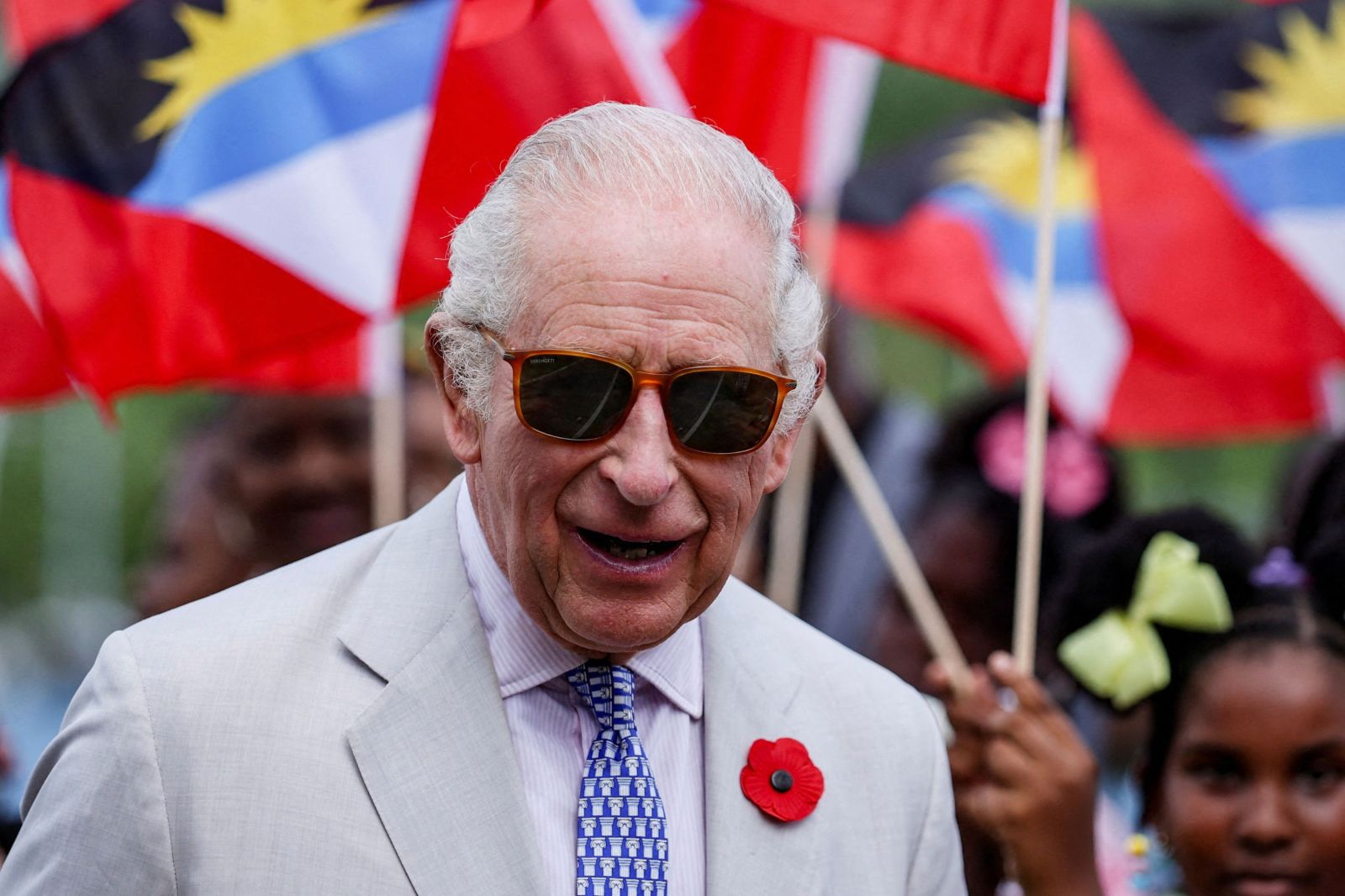
King Charles III addressed controversy by remarking on the Royal Navy’s role in ending slavery while acknowledging the suffering caused by this “shameful chapter” in British history. His comments were made to Commonwealth leaders in St John’s, Antigua.
Context and Reactions
This speech follows British Prime Minister Andy Burnham’s openness to discussing an apology for slavery, yet excluding reparations. The British Monarchy faces increasing pressure to recognize its historical links to the slave trade, making such a defense uncommon for a head of state.
King Charles’ Speech
At the Commonwealth Heads of Government Meeting’s opening ceremony, King Charles stated, “We cannot change the actions of those who came before us. We can, however, learn from the past. The trans-Atlantic trade in enslaved persons still casts a shadow over these islands and other members of our Commonwealth.” He expressed personal sorrow over this chapter of history and noted that past remarks on the subject set the summit’s tone, where slavery was likely to be a discussion topic.
“And yet history also teaches us that evil need not have the last word,” Charles commented. “That character and courage can combine to overcome the most monstrous injustice, as they did with the determination to end international trade in enslaved people, in which the Royal Navy played such a leading role.”
Kemi Badenoch, leader of Britain’s opposition Conservative Party, similarly argued that Britain’s history with slavery isn’t solely negative. She emphasized Britain’s significant role in slavery’s eradication. Recently, she stated that Britain should not apologize, focusing instead on forward movement.
Charles further shared, “The more I have furthered my own understanding of the issues, through listening, learning, and looking, the more committed I have become to finding ways for us to work in modern partnership to address the wrongs of the past with action for the future.”
Ongoing Debate in Britain
Badenoch expressed her stance on X, insisting that while everyone acknowledges the trans-Atlantic slave trade’s wrongs, Britain played a key role in ending it. She opposed reparations, suggesting the Commonwealth should look forward.
Prime Minister Burnham wrote in The Guardian about potentially supporting an apology but definitively ruling out reparations. He argued that it wouldn’t be just to hold current British citizens accountable for historical actions.
For regular updates on this subject and more, consider signing up for Newsweek’s The Royal Report newsletter.