
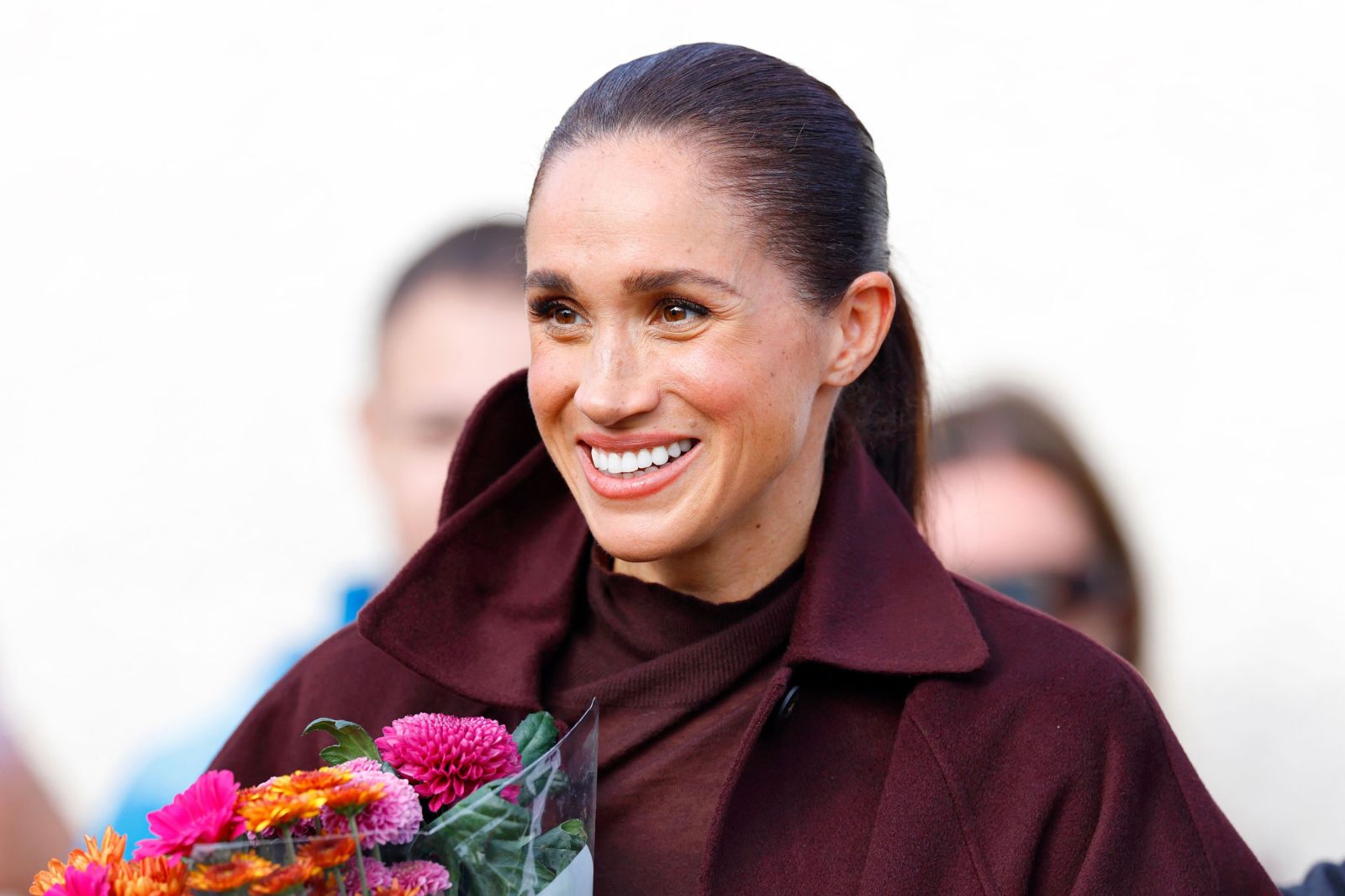
Meghan Markle aims to expand her As Ever lifestyle brand worldwide, facing challenges in several countries. The Duchess of Sussex announced in June 2025 her global business intentions. Filings show plans for rights over cocktails, cosmetics, home furnishings, retail stores, films, TV shows, and podcasts.
Objections arose in countries like South Korea, Japan, Brazil, and New Zealand. Trademark authorities questioned the scope of proposed business activities. South Korean officials highlighted a potential conflict with earlier As Ever trademarks under the same company. The Duchess might not launch everything listed, as trademark applications often serve to prevent similar setups by others.
A source close to As Ever assured, “We’re not worried. This is routine. Different territories have processes, but the brand continues to grow.”
Such hurdles are typical in business setups and can often be resolved, as seen in the U.S., Britain, and Canada. Trademarks suggest broader expansion plans, with adjustments made in Britain and Canada. Australia is also a target for As Ever.
South Korea’s Objections
South Korea’s Ministry of Intellectual Property raised concerns about a potential “likelihood of confusion” between the latest application and previous As Ever trademarks. The earlier applications belong to 2022 Trademarks LLC, the entity behind the Duchess’s recent application. The objection involves alcoholic drinks, cocktail mixes, retail services, and entertainment.
Officials also questioned product descriptions, including jams, sauces, spices, coffee, tea, biscuits, and honey.
Challenges in Japan, Brazil, and New Zealand
Japan issued a provisional refusal due to broad or vague product and service descriptions. The Japan Patent Office questioned if the trademark would be genuinely used across proposed retail services. Applicants must submit evidence of activity, a declaration with a business plan, or narrow the application claims. Amendments need to be lodged via a representative in Japan.
Brazil faced a more definite refusal. The application lacked precise descriptions for retail and online stores selling varied consumer goods. After failing to provide requested information, the refusal became final, preventing appeal. Yet, this does not bar separate future applications.
New Zealand issued a partial refusal over retail services related to food, cooking, decorating, gardening, travel, and more. Concerns also covered entertainment descriptions involving films, podcasts, music, and books.
As Ever’s Future Prospects
Trademark filings reveal As Ever’s intent for broad international protection, including food, lifestyle products, retail, and digital services. While online traffic has declined in 2026, new markets could invigorate business growth. Royal expert Richard Fitzwilliams observed, “Meghan aims to maximize earnings through her brand. She can explore international markets, though receptions may differ.” Provisional refusals often allow applicants to amend applications or address concerns.
The final refusal in Brazil pertains only to that specific trademark designation.
UK Trademark Application Outcomes
In the UK, As Ever achieved robust trademark protection despite some issues. Authorities critiqued a request for “online retail store services” as too broad, lacking precision. The UK Intellectual Property Office confirmed protection for items like jams, marmalade, tea, alcoholic drinks, and more, also covering entertainment and educational services.
The term “online retail services” was accepted after removing “store.” As Ever sells products like $14 tins of tea, $64 candles, and $18 bookmarks featuring quotes in Meghan’s handwriting.
Similarly, in Canada, initial rejections on broad product descriptions were resolved by September 2026, highlighting the varied trademark examination across countries.