
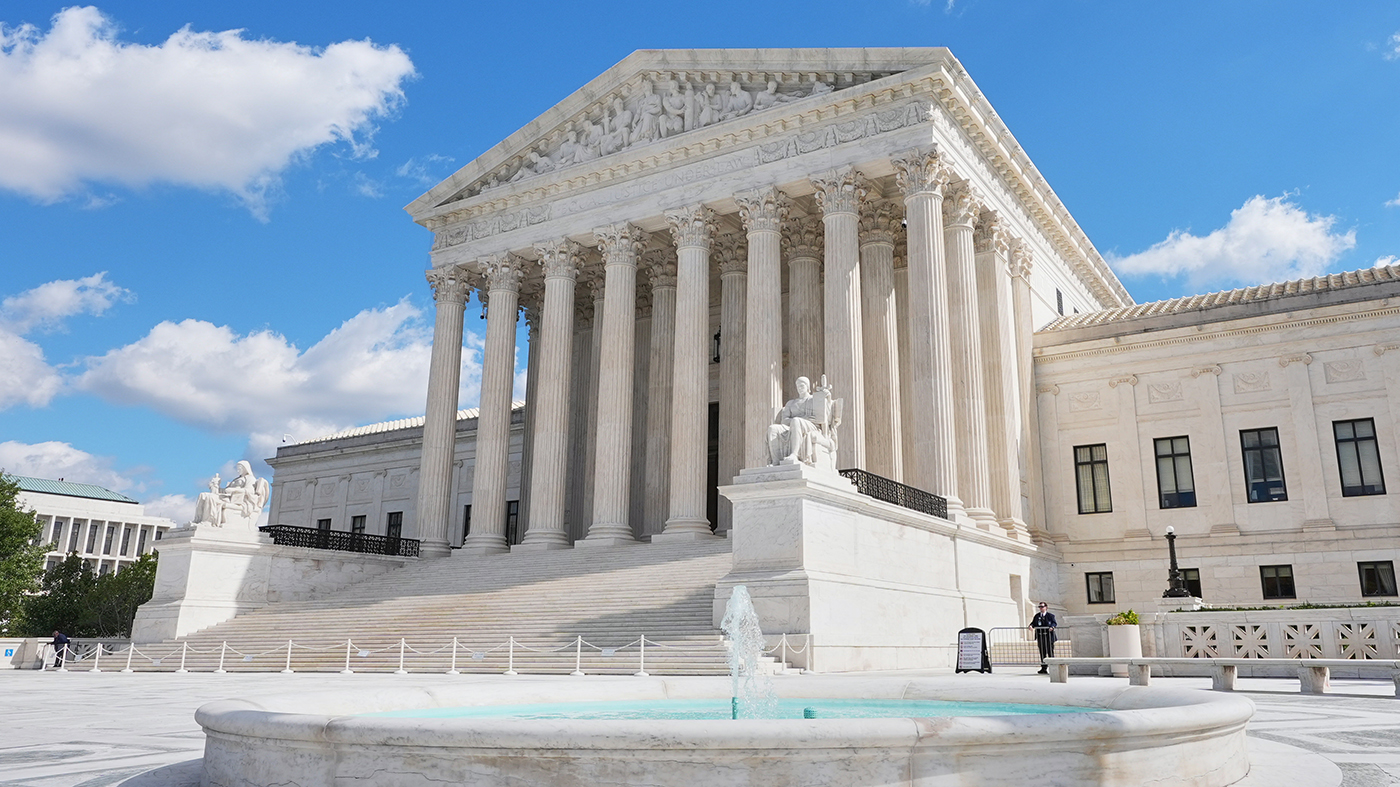
The Supreme Court faces a significant issue with the case St. Mary Catholic Parish v. Roy, focusing on whether Colorado can legally exclude Catholic preschools from a tuition assistance program. The program offers approximately $6,300 annually for pre-K children. While centered on religious freedom, the case parallels disability accommodation laws.
In Colorado, schools partaking in the preschool funding program must prioritize children with disabilities, like blindness or deafness. However, schools supporting particular religious beliefs, such as Catholic preschools, are excluded. In Colorado, disability warrants special attention, while religious beliefs are overlooked, creating an artificial divide between physical and spiritual limitations.
Americans are entitled to equal rights, as stated in the Declaration of Independence, recognizing that both disabilities and religious beliefs deserve accommodations. Legal scholar Michael McConnell emphasizes that accommodations are necessary for fair treatment.
Examples of disability accommodations include ramps and Braille signage. Religious accommodations may include kosher meals for Jewish servicemembers, Sabbath observance for Seventh-day Adventists, or beard-wearing for Muslim firefighters. Historical accommodations have included Quakers serving their country differently during wartime and sacramental wine exemptions during Prohibition.
These accommodations uphold human dignity without favoritism. Society acknowledges constraints and strives to address them, even at a cost. In St. Mary, Colorado supports accommodations for disabled children but refuses to extend similar support for children in Catholic families, despite the closure of Catholic preschools.
Human dignity should not be selectively granted. Religious accommodations deserve recognition alongside disability accommodations, ensuring all citizens’ rights are honored, regardless of Colorado’s stance on religious beliefs.
Laura Wolk Slavis represents the Becket Fund for Religious Liberty.