
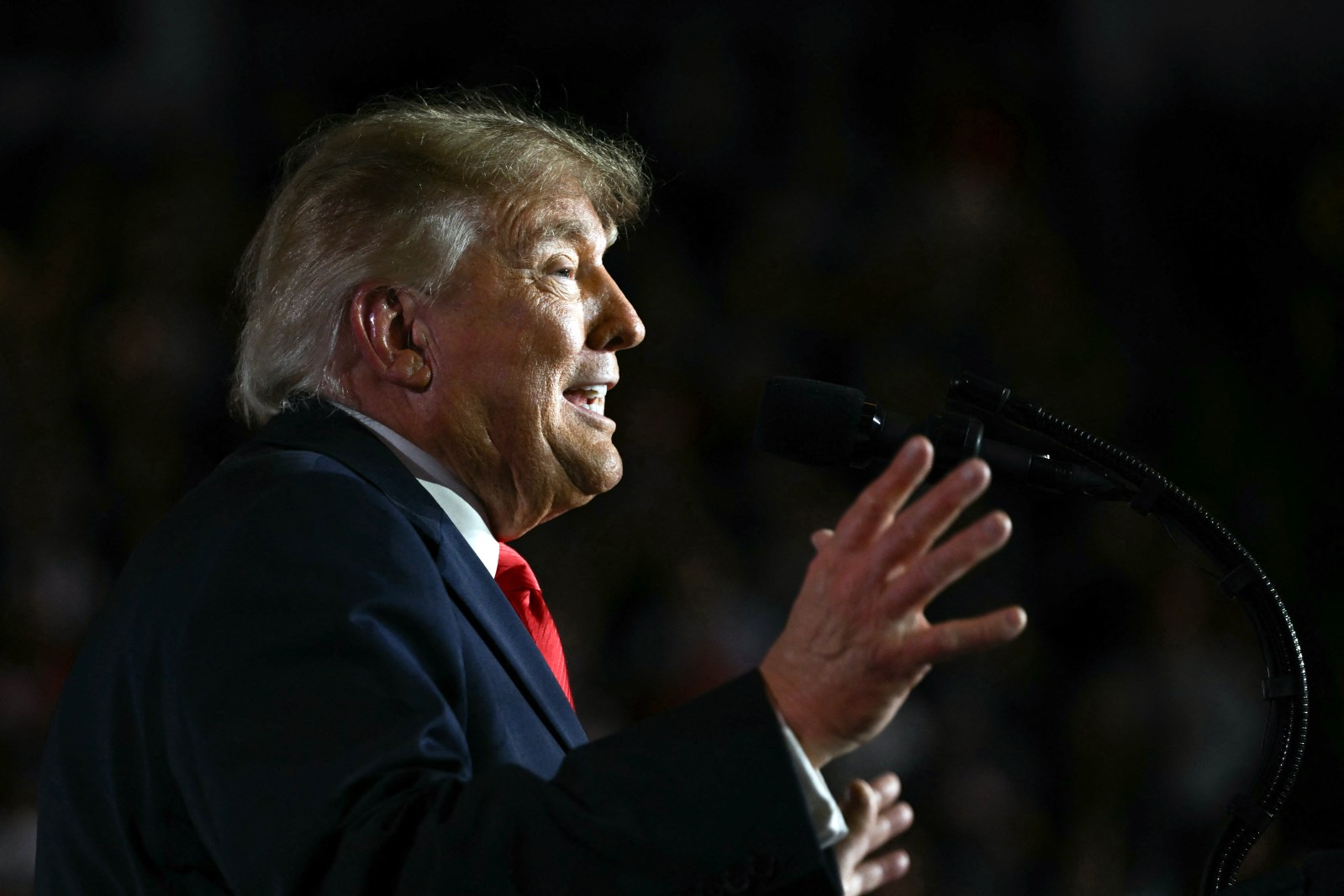
President Donald Trump adopted a more conciliatory tone toward Canada as the two countries plan trade negotiations. These discussions occur as U.S. economic issues impact the buildup to the midterms.
Canadian Prime Minister Mark Carney wrote on X that he spoke with Trump about resolving their long-standing trade differences. Negotiations will proceed, aiming to ease tensions.
Trump later confirmed this, hinting at an agreement possibility following months of tariffs and disagreements that strained U.S.-Canada relations.
A productive conversation aimed at supporting jobs, improving affordability, and protecting Canada’s sovereignty.
Carney noted their teams would work on achieving this outcome. Speaking in Iowa, Trump expressed a similarly optimistic view, suggesting a deal would benefit American farmers and raised the possibility of reviving the Keystone XL oil pipeline previously blocked.
No terms have been announced, and talks are expected to continue beyond the election. The open dialogue represents a shift from the confrontational dynamics earlier this year.
Trade Dispute and Its Impact
Canada left negotiations in August, rejecting U.S. demands that threatened its sovereignty and industries. In response, Trump imposed 50% tariffs on about $20 billion of Canadian goods, prompting Canadian retaliation. This move affected businesses reliant on cross-border trade.
American manufacturers depend on Canadian materials, while agriculture relies on Canadian consumers. Tariffs raised import costs, also making American products costlier in Canada. These issues resonated in U.S. battleground states like Michigan, pivotal in upcoming races where the auto industry is vital.
Tariffs and Political Implications
For Trump, easing tariff tensions is politically significant. A Reuters/Ipsos poll shows Trump’s approval at 32%, with increasing concern over living costs. Democrats lead Republicans in voter preference ahead of the midterms.
Inflation affects households, with consumer prices up 3.7%, and gas prices surging 9.1%. Consumer confidence also declined, according to the University of Michigan’s index.
While Trump emphasizes that tariffs strengthen American manufacturing and job security, businesses with international supply chains have faced higher costs and uncertainty. A deal with Canada could alleviate some pressures, though concessions remain unclear.
Canada has been seeking to expand its trade beyond the U.S., though its economy still heavily relies on its southern neighbor, with 70% of exports going to the U.S. The long-term outcome of Trump’s approach on trade remains undetermined.