
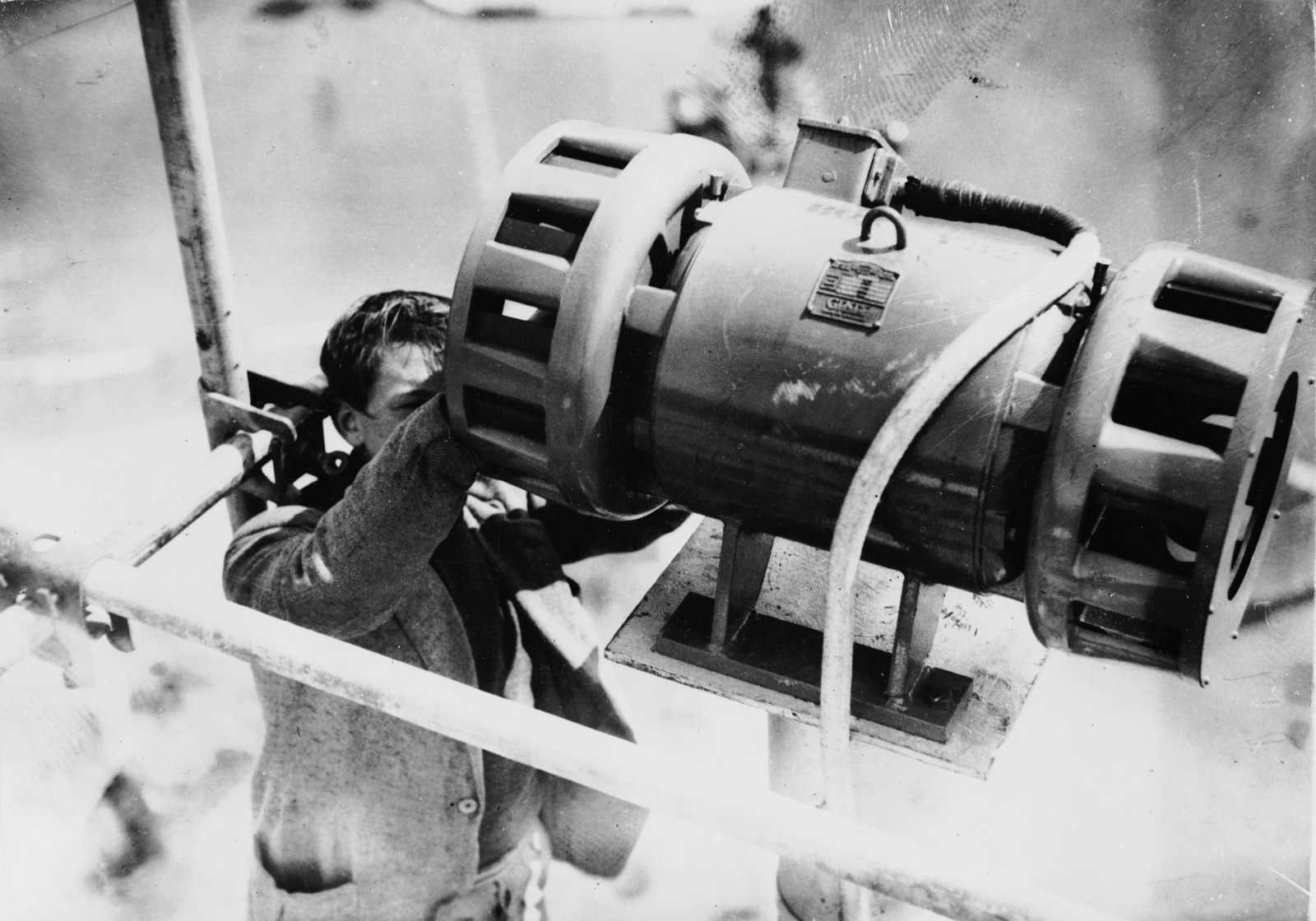
World War II witnessed relentless bombings by Nazi Germany, starting with the Blitz. On September 7, 1940, London faced 57 continuous nights of bombardments, with attacks across Britain persisting until May 1941. Despite having no means to halt the German bombs, Britain used air-raid sirens to warn its citizens.
Decades later, the civilians in Russia and Ukraine find their alert systems compromised. On Sunday, users of Ukraine’s air-alert app began to receive fraudulent warnings. These false alerts included dire messages like radiation and chemical threats as well as a fabricated threat of Russia’s ballistic missile.
The attack saw 122 fake alert events in seven minutes, with 103 being air-raid alerts. The hacking disrupted a service used by 6.6 million Ukrainians daily to receive warnings of potential Russian assaults. The chaos intensified when third-party services spread these fake alerts, even broadcasting a false radiation warning via loudspeakers in Lviv.
The issue soon extended to Russia. On Monday morning, Russia’s Emergency Situations Ministry app sent warnings of nuclear warheads targeting the country. Messages also advised people to gather food supplies and take shelter in basements.
The identity of those behind these attacks remains uncertain. Yet, these intrusions hint at a new chapter in modern warfare. Tampering with civilian alert systems holds unique cruelty. Unlike military systems, these aim to save civilian lives. In World War II, British sirens occasionally raised false alarms. Yet, these were seen as errors, not deliberate acts.
Intentional manipulation changes the landscape. False alerts can demoralize and terrify people. They disrupt lives and erode trust in protective systems. If frequent, these hacks could make warning systems unreliable, with deadly results.
Authorities have reacted to these threats. Ukraine’s air-alert system paused push notifications to address unauthorized interference. At 10:54 p.m., alerts.in.ua reported a denial-of-service attack. Real and false alerts had to be cross-checked, delaying the restoration of accurate notifications.
The primary air-alert app gradually resumed service overnight but initially lacked a functional map to track aerial threats. Taking the app offline increased vulnerability to real attacks. Meanwhile, aerial bombardments have risen. Ukraine recorded over 7,700 regional air-raid alarms from July 1 to September 24, a 27 percent increase compared to the earlier months.
During the Blitz, Londoners feared the air-raid siren for the danger it signaled. Now, civilians face the additional fear that the warning itself might be weaponized against them.