
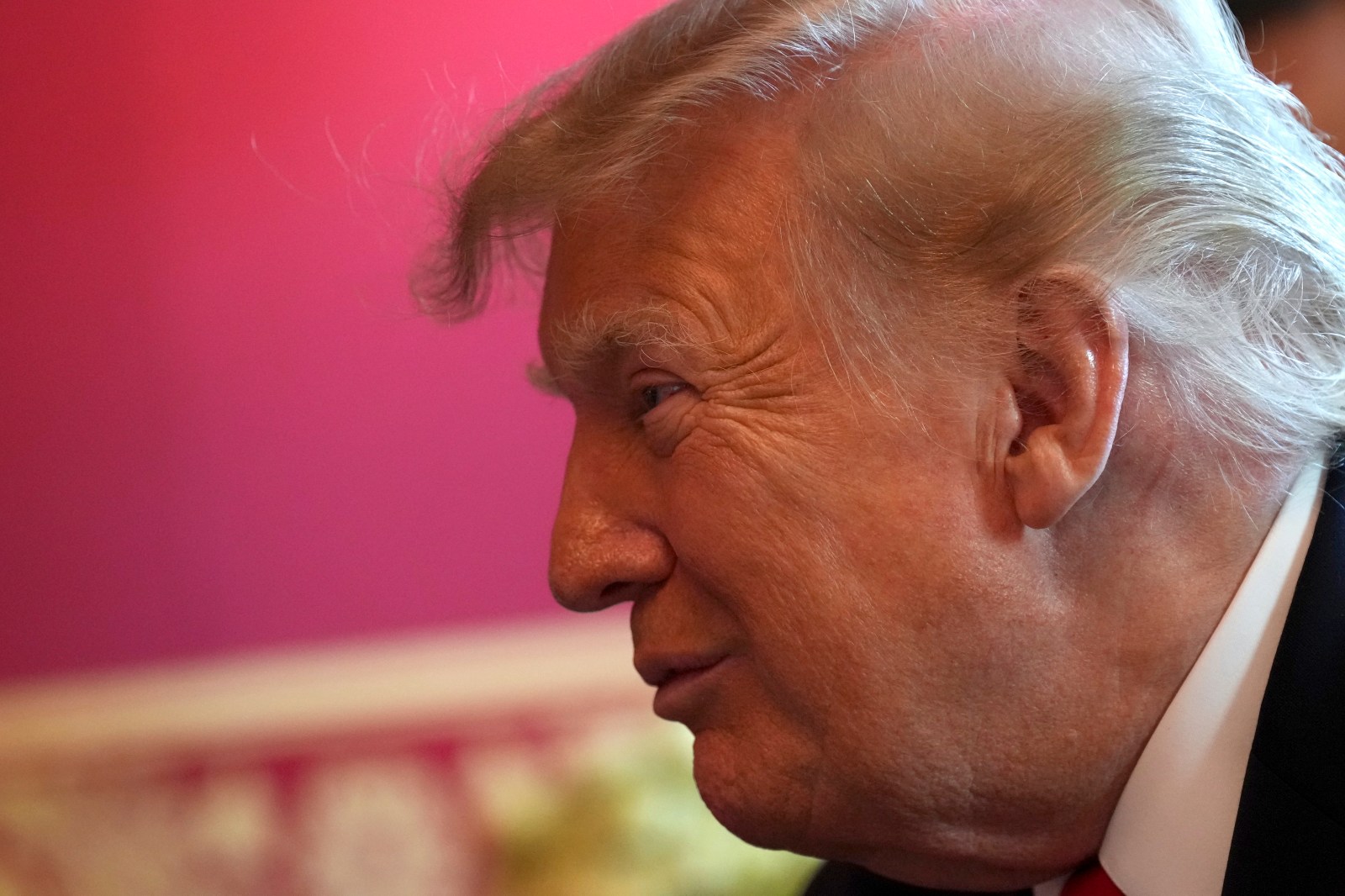
Chinese leader Xi Jinping has heavily invested in his relationship with President Donald Trump. Two summits held this year, with plans for two more, aim to strengthen ties. This relationship benefits China significantly, but the upcoming midterm elections in the U.S. pose a risk to this delicate balance. The potential Democratic sweep could disrupt the current detente that has allowed China to advance its global agenda quietly.
Despite certain challenges, the agreement with Trump to establish ‘a constructive relationship of strategic stability’ has been crucial. It has helped Xi stabilize China’s economy and initiate military reforms as he approaches his leadership renewal. Although China remains silent on the midterms, viewing them as a U.S. domestic affair, its leaders likely have a preferred outcome. Trump’s strong influence over the Republican Party suggests he could manage party hawks, which Beijing sees as favorable.
Xi’s Strategy with Trump
The initial Trump administration ended on a sour note with China, particularly during the COVID-19 pandemic. Despite this, Xi enthusiastically engaged with Trump’s leadership style, which proved beneficial. The state visits in Beijing and Washington helped sway Trump and softened the American public’s view of China. This resulted in two rival leaders who now rarely obstruct each other.
Stability with China has enabled Trump to focus on closer interests, such as situations in Venezuela and Greenland. Meanwhile, the U.S. conflict with Iran serves as a useful distraction for Xi as China’s Indo-Pacific ambitions grow. China’s familiarity with Trump’s transaction-focused diplomacy, centered on economic benefits, aligns with its interests, as the U.S. shifts focus away from global leadership.
Potential Losses for China
The rapport between Trump and Xi was solidified at their Busan summit in South Korea, agreeing to de-escalate a tariff war in exchange for China buying U.S. soybeans and easing export controls on rare earth metals. While Washington views the Busan truce through a trade lens, Beijing sees greater significance in the personal consensus reached.
China showed satisfaction with this status quo during recent talks to extend the Busan agreement, aiming for a multiyear extension to late 2028. However, U.S. Treasury Secretary Scott Bessent only approved an extension to January 10, reflecting a desire to reevaluate post-midterms.
A Democrat-controlled Congress could challenge Trump’s foreign policy, potentially forcing him to address human rights issues and support allies like Taiwan. Such a shift might restrict Trump’s bargaining tools, such as sanctions and trade deals.
China’s Preparations
China is aware of the uncertainties in U.S. politics. Xi has scheduled two more summits with Trump—first at the APEC summit in Shenzhen, then at the G20 meeting in Miami. Despite a potential Democratic-led Congress complicating formal trade agreements, China is prepared.
“A Democratic victory could change leadership dynamics, increasing scrutiny on Trump’s agreements and strengthening strategic competition with China,” said Yilun Zhang from the Institute for China-America Studies.
China’s preferred outcome doesn’t preclude readiness for a Democratic landslide. A divided U.S. government with internal strife could benefit Beijing by maintaining U.S. focus on domestic issues.