
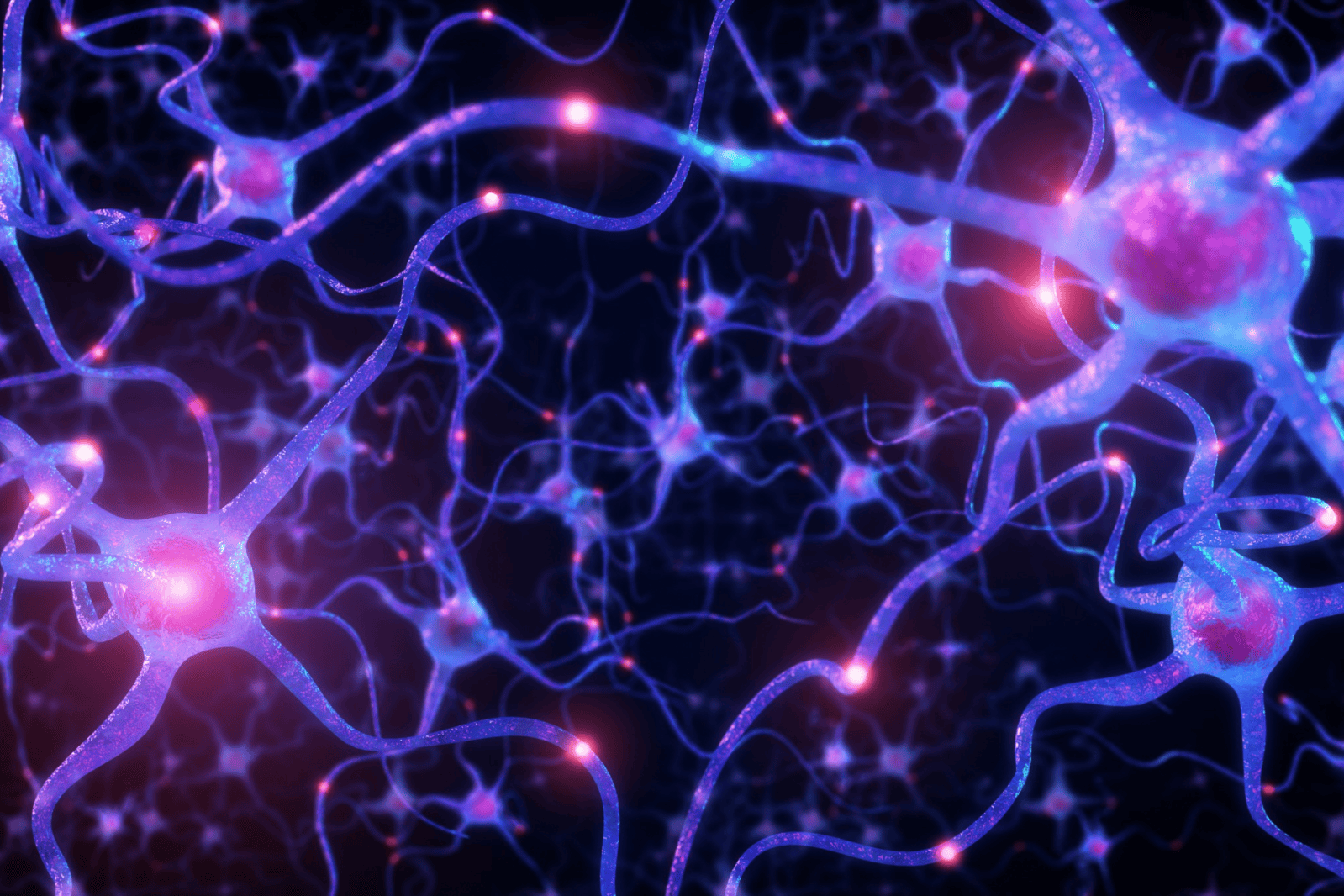
Scientific research has revealed intriguing findings that some individuals show signs of Alzheimer’s in their brains but do not develop dementia. A recent study published in Cell Stem Cell explored postmortem brain tissues and identified a group of ‘immature’ neurons that could be linked to cognitive resilience, helping some maintain mental acuity despite Alzheimer’s pathology.
Research centered on the hippocampus, a crucial region for learning and memory, often impacted by Alzheimer’s disease. The study discovered that individuals who remained cognitively alert had immature neurons similar to younger, adaptable brain cells.
Approximately 30 percent of those with Alzheimer’s pathology never exhibit clinical symptoms. Evgenia Salta, the study’s senior author, explained, “In resilient brains, we find neurons that look more immature or ‘youthful,’ potentially aiding in sustaining a healthy brain environment despite the disease.”
Salta indicated that resilience could be influenced by a mixture of factors. Genetics may empower cellular responses to contain damage, while lifestyle factors like regular exercise and lifelong learning help build cognitive reserve, allowing the brain to better endure the disease.
The study emphasized that Alzheimer’s pathology doesn’t always lead to dementia. Abnormal protein buildup characterizes the disease, yet some brains resist its impact. The observed neurons displayed unique molecular signatures, correlating pathology with resilience, implying a potential protective function.
Dr. Daniel Fenton, unaffiliated with the study, commented on the contrasting results between individuals with Alzheimer’s dementia and those with similar brain pathology who remained cognitively intact. The resilient group demonstrated higher protective and anti-inflammatory cellular activities.
Although treatments may still be years away, Salta believes these findings could change how scientists approach Alzheimer’s therapy. Cognitive resilience alters the perception that dementia is inevitable, suggesting a trajectory that could be modified.
This shift offers a refreshing perspective on brain repair in later life. Instead of replacing lost neurons, immature cells might maintain a healthy hippocampal environment. If confirmed as protective, future therapies could focus not only on limiting Alzheimer’s damage but enhancing brain repair mechanisms.
Salta noted, “If these cells prove protective, therapies could shift from solely reducing damage to supporting the brain’s own repair arsenal, impacting early interventions and symptom severity.”