
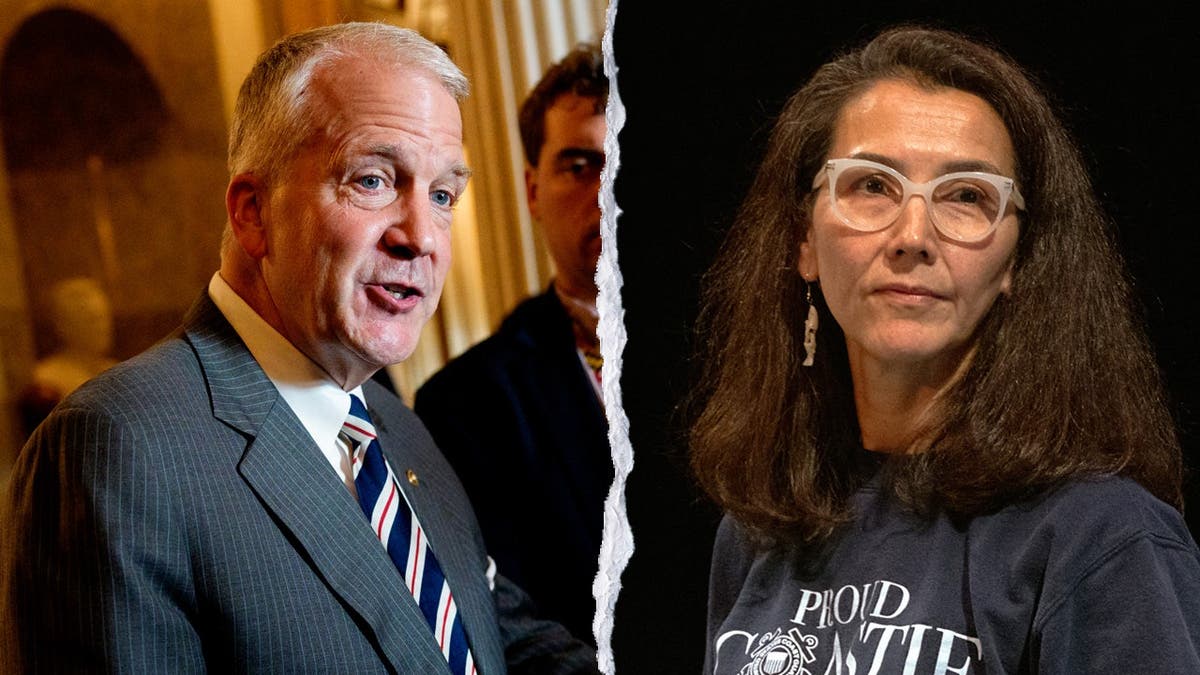
A New York Times investigation has surfaced claims concerning an alleged effort by operatives linked to Democratic Senate candidate Mary Peltola and the Democratic Senatorial Campaign Committee (DSCC). The investigation suggests they attempted to recruit a second Dan Sullivan for Alaska’s ballot. This action reportedly aimed to confuse voters. However, both Peltola and the DSCC have denied their involvement.
By the time this report was made public, nearly 10 percent of registered Alaska voters, approximately 58,000 people, had already cast their votes. Critics argue this meant many voters were not aware of the alleged attempt that could create confusion due to the presence of a candidate with the same name.
Dan J. Sullivan, an independent candidate, advanced to the four-candidate general election. He secured 2.5 percent of the votes during the primary. His campaign material made no mention of a political party, nor did his website outline his stance on political issues.
“Dan Sullivan challenges Dan Sullivan for U.S. Senate Seat, urges Alaskans to defeat incumbent, elect a Sullivan who stands up for Alaska,” a statement from his campaign read.
The New York Times detailed attempts to recruit potential spoiler candidates, allegedly including Dan J. Sullivan. This coordination reportedly involved text messages, interviews, and internal documents showing communication between the DSCC and Peltola’s staff. According to one source, Peltola was aware of these efforts.
Meanwhile, the Department of Justice (DOJ) filed a lawsuit the previous week, aiming to delay certification if Senator Dan Sullivan is defeated. They cited possible confusion as the reason for the suit. The outcome of this legal action remains uncertain.
Furthermore, the state’s ranked-choice voting system adds complexity to this election. Under this system, voters can rank their preferred candidates. If a voter’s top choice is eliminated, votes move to the next ranked candidate. While some support this process as it potentially empowers voters and highlights less traditional candidates, opponents believe it might confuse voters.
Republican state Senator James Kaufman expressed concerns about voters possibly not utilizing the system to its full capacity. He suggests some voters, particularly Republicans, might refuse to engage with this system due to its unconventional nature.
Kaufman articulated concerns that this method of voting clashes with some voters’ beliefs in traditional voting practices of “one person, one vote.” This could lead to many ballots not being fully ranked.
Alaska’s general election is less than a week away. The potential implications of multiple candidates named Dan Sullivan on the ballot and the ranked-choice voting system raise questions about the election’s outcome and voter participation.