
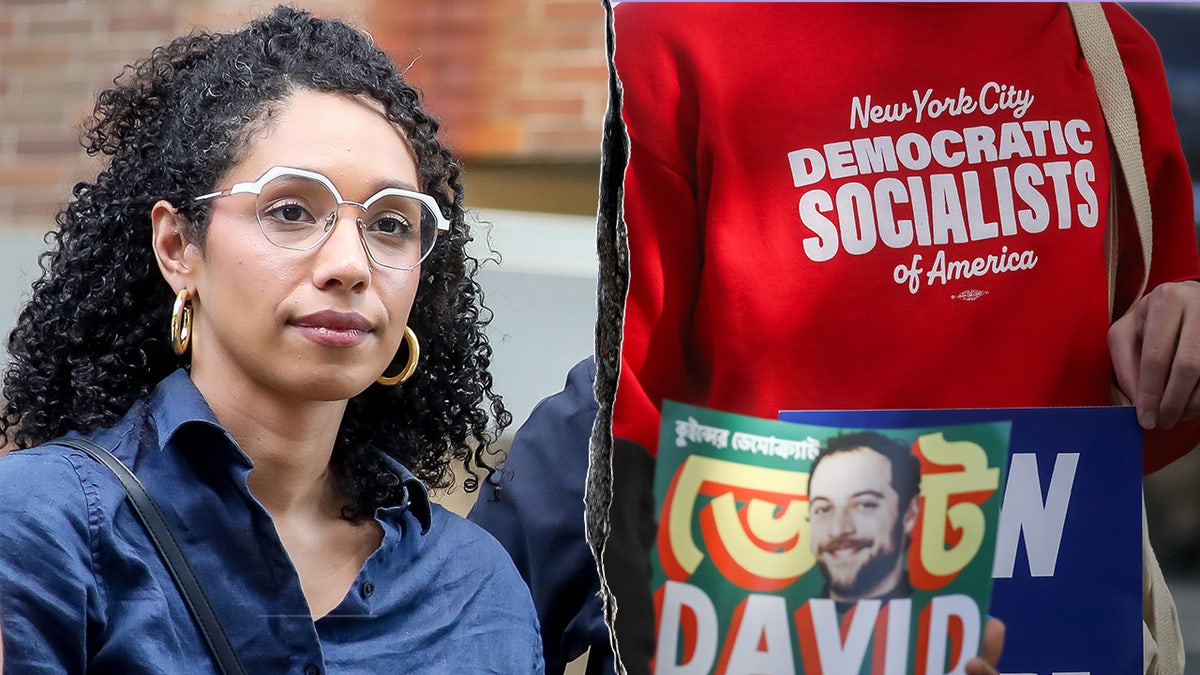
A congressional maneuver might stop members of the Democratic Socialists of America (DSA) from being sworn into the House of Representatives next year, even if they win their elections.
Swearing an Oath
Members-elect must pledge to uphold the Constitution before becoming full House members. This oath is typically taken by all 435 members, led by the House speaker at the start of a new Congress.
However, a conservative argument suggests that any member-elect can challenge another’s right to be sworn in if they have evidence suggesting that person might not uphold the oath. This would lead to deliberations and a vote on that member-elect’s eligibility.
The DSA Context
For DSA members, a possible argument involves the group’s platform calling for replacing the current U.S. Constitution. Several DSA members and self-proclaimed democratic socialists have already secured primary wins.
Representative Keith Self from Texas indicated he might use this maneuver. He stated, “You cannot swear an oath to support and defend the Constitution while actively working to destroy it. The oath is not just words you say at a ceremony but a commitment to our country and fellow countrymen.”
Red-Green Alliance: A term used by some right-wing groups to describe cooperation between far-left groups and radical Islamic operators. Self argued that anyone supporting the destruction of the Constitution should not be sworn in to uphold it.
The Debate
An analysis by the Center for Renewing America outlines the procedure for challenging a member-elect’s ability to take the oath. It involves presenting evidence to the House, followed by debate and a vote on that member-elect’s commitment to the Constitution.
House Speaker Mike Johnson has stated he would follow the law and dismissed the idea of refusing to seat elected Democrats as a “nonsense narrative.”
Constitutional Concerns
Such actions could challenge voters’ choices and conflict with Supreme Court precedent. The Powell v. McCormack ruling in 1969 established that the House cannot stop an elected candidate from taking office if they meet constitutional requirements for age, residency, and citizenship. The case followed Adam Clayton Powell Jr., who was blocked due to financial scandals but prevailed at the Supreme Court.
Political Tensions
Despite legal barriers, Republicans consider using the maneuver. Representative Tim Burchett from Tennessee told the New York Post he planned to block Darializa Avila Chevalier from joining Congress. Chevalier, with a victory that ousted a senior Democrat, is expected to win her general election.
Burchett mentioned Chevalier’s previous social media post about wiping her hands on the American flag as grounds for disqualification.
The maneuver’s success remains uncertain, highlighting the partisan tensions brewing ahead of the upcoming midterm elections. Reporter Elizabeth Elkind covers the House of Representatives for Fox News Digital.