
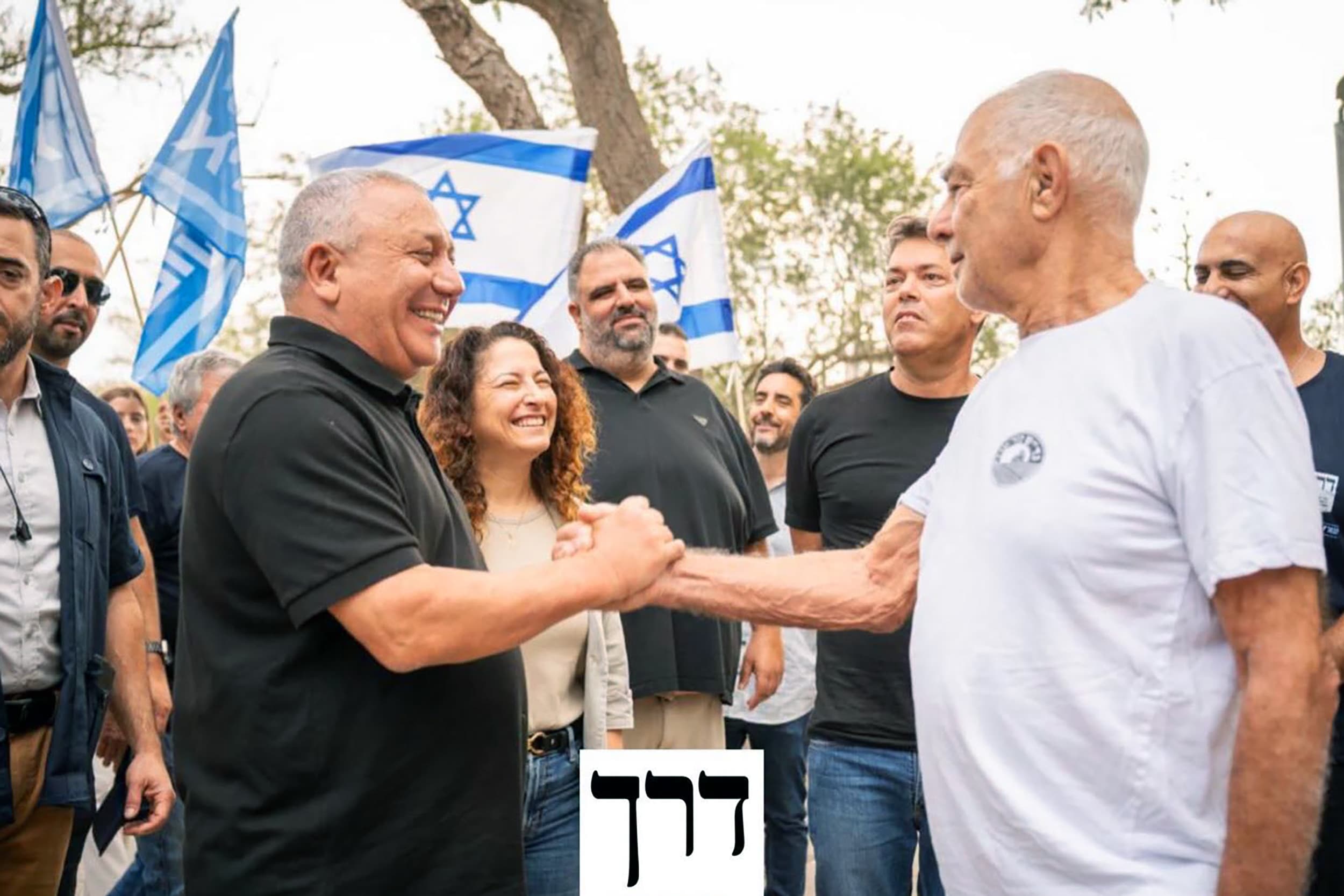
Former Israeli military leader Gadi Eisenkot appeared alongside Gadi Mozes, a former hostage from the attacks on October 7. This meeting took place in Kibbutz Nir Oz, which suffered during the Hamas-led assaults. Eisenkot’s presence in affected areas during election day emphasizes the ongoing significance of the attacks in his campaign. He aims to highlight the necessity for a change in leadership, suggesting that Prime Minister Benjamin Netanyahu’s tenure should end.
National Security Minister Itamar Ben Gvir voted in Kiryat Arba, a settlement in the West Bank. Leading the Otzma Yehudit party, Ben Gvir could play a crucial role in Netanyahu’s bid to retain power. His controversial stance includes advocating for the “voluntary” relocation of approximately 2 million Palestinians from the Gaza Strip, where he supports re-establishing Jewish settlements.
This election is the first since the deadly attacks on October 7, attracting international attention. Both Netanyahu and Eisenkot argue that Israel’s future security rests in the outcome. Netanyahu has often emphasized his strong connection with former President Donald Trump, implying that a victory could have implications for regional conflicts, notably against Iran.
“We’re not choosing a Hollywood actor. We’re choosing a prime minister.” – Kobi Marum
Gadi Eisenkot, a former general, emerges as the primary competitor against Netanyahu. Known for his straightforwardness, Eisenkot has gained support for his honest communication style rather than charisma. Recent polls suggested Eisenkot’s coalition has a slight lead over Netanyahu’s, indicating a tight race.
Voters are considering issues from security and military service to economic concerns. This election follows the October attacks, which were the deadliest day in Israel’s history, resulting in over a thousand casualties and hundreds taken as hostages. These events ignited a prolonged security crisis, affecting countless Israeli families. The pervasive impact continues to influence both public sentiment and the election’s narrative.