
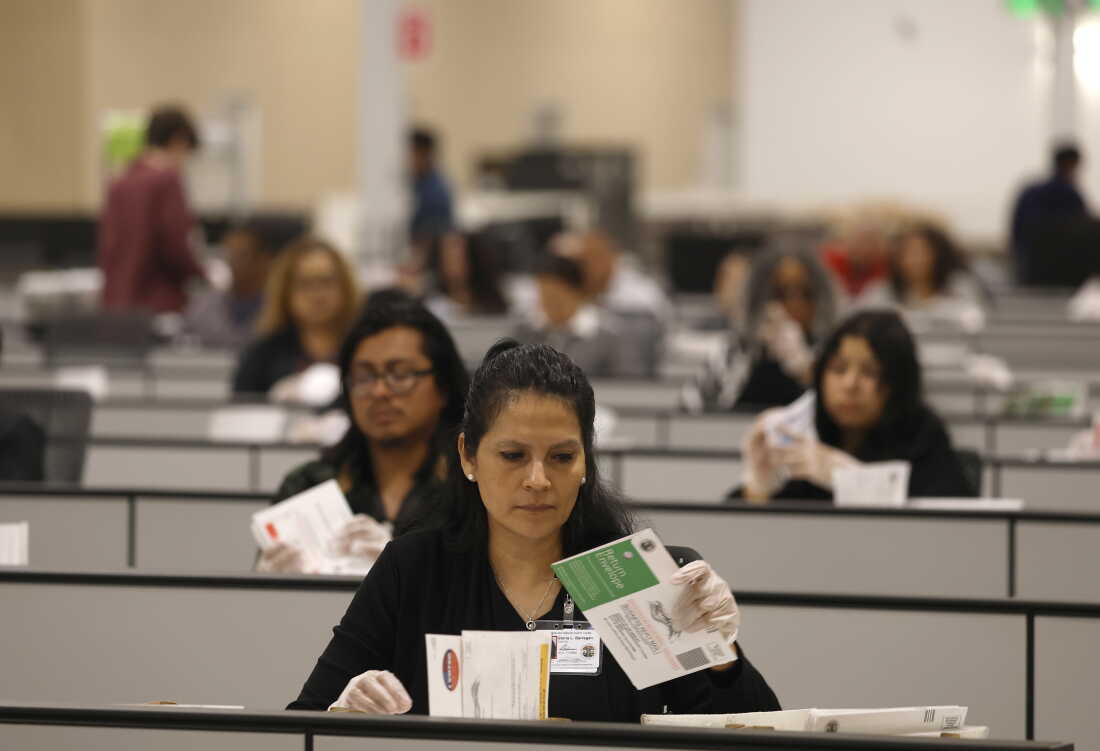
Election workers processed ballots for the California state primary at the Los Angeles County Ballot Processing Center on June 5. One expert told NPR that California’s relatively slow vote count has made it a target for criticism. Despite no longer running elections in Maricopa County, Arizona, Stephen Richer remembers the pressure of having over a million ballots to process while facing conspiracy theories online.
Election officials in competitive districts face similar challenges. The reality is some races may not be called until days after Election Day. Here’s why this happens.
Why Some Results Are Immediate and Others Delay
The margin of victory often influences the speed of result announcements. People see election results on TV and social media based on early returns and demographic analysis. Faster declarations occur in races with clear margins. In closely contested areas, more in-depth analysis is required before making calls.
Even when races seem determined, no state completes counting on election night. For instance, in Utah, high Republican margins allow for quick declarations but not full counting.
Impact of Counting Speed
Counting speed affects results announcements. Competitive races in slow-counting states, like California, often experience significant delays. California showcases this with its numerous competitive districts and slow counting process. The state’s electoral system includes accepting postmarked mail ballots after Election Day, causing prolonged counts.
Experts, like Charles Stewart of MIT, recognize California as a prime example of prolonged vote counting. False narratives have arisen from its lengthy process, aided by political biases and procedural factors.
Efforts to Address Counting Delays
Kim Alexander of the California Voter Foundation advocates for quicker vote tallying while maintaining accessibility. The state grapples with handling late mail ballots, often returned on Election Day, creating a ‘pig in the python’ problem. These ballots require additional processing time.
The state has allocated $40 million to enhance counting speeds, partly through voter education. Encouraging earlier voting could alleviate delays. For example, postcards urging San Joaquin County residents to vote earlier led to timelier election-night counting.
This year, fewer competitive districts may reduce focus on California’s counting process. A mid-cycle redistricting reduced competitive House seats, potentially lowering national scrutiny.
Other States Experiencing Delays
Besides California, Alaska faces similar issues. In 2024, it was the last to count 95% of ballots. The state’s notable races, such as a tight Senate race, could delay national results.
In summary, competitive races coupled with slow counting often extend the wait for election outcomes. Understanding these dynamics helps in anticipating potential delays.