
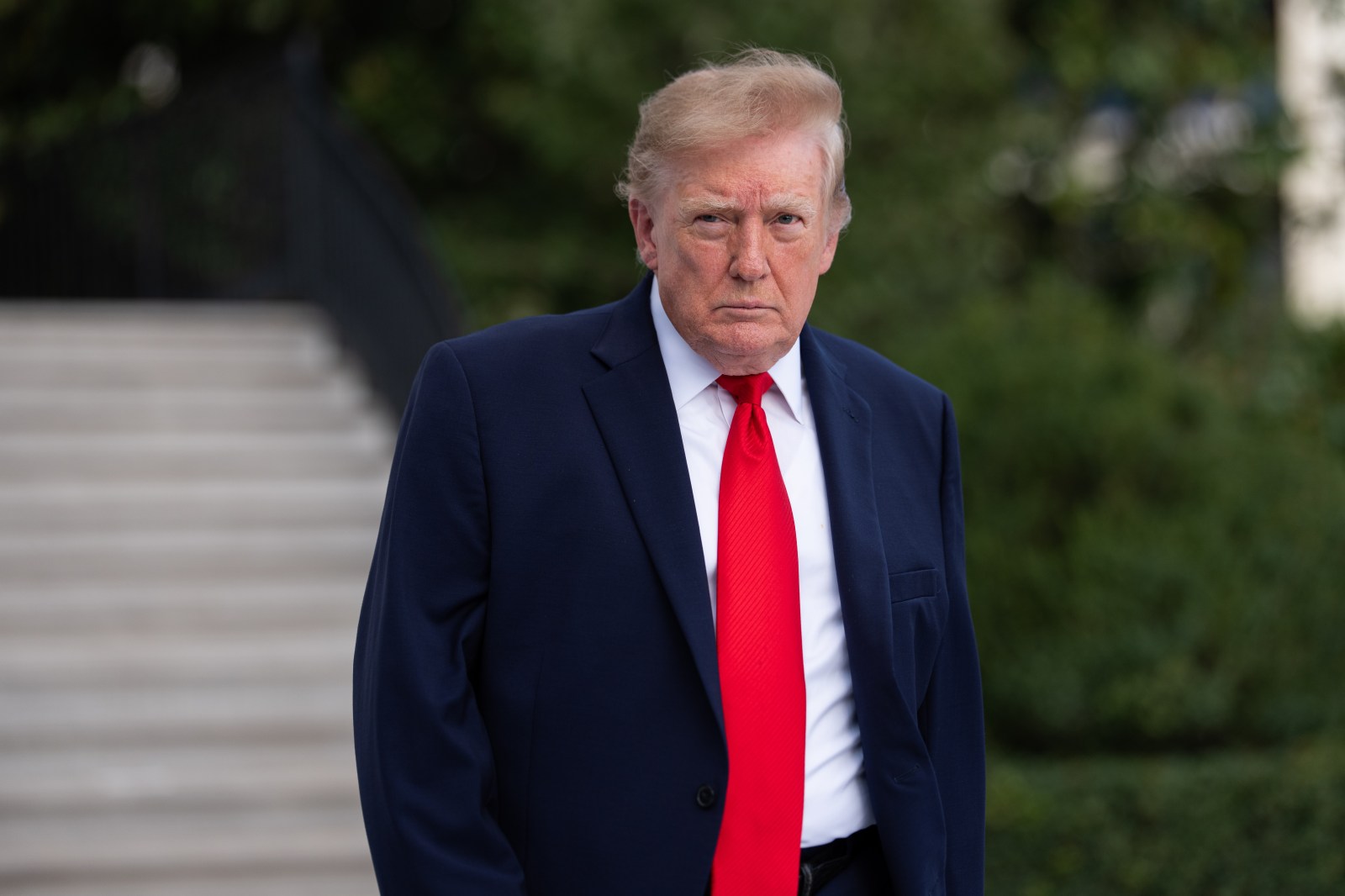
As midterm elections approach, the battle for Senate control intensifies between Democrats and Republicans. Current dynamics show Republicans defending their majority, holding 53 seats against the Democrats’ 47. President Donald Trump’s approval rating remains low in pivotal states, contributing to a challenging climate for the GOP since Trump’s 2024 victory.
Why Presidential Approval Matters
Historically, a president’s unpopularity affects midterm outcomes, often resulting in seat losses for the incumbent’s party. While Democrats are favored to reclaim the House, the Senate presents more challenges. States like Maine and North Carolina are seen as potential Democratic pickups, though others remain firmly Republican, having supported Trump in 2024.
The Cook Political Report identifies seven key Senate races—Alaska, Iowa, Kansas, Maine, Michigan, Ohio, and Texas—as toss-ups. In these states, Trump’s low approval could influence results, with Civiqs tracking his approval rating consistently below water since the start of his second term.
The Impact on Senate Races
“Presidential approval is one of the largest factors driving voter behavior in a midterm election,” notes Jacob Neiheisel, a political science professor.
For Democrats, Trump’s low approval ratings facilitate competition in traditionally Republican-dominated states. This trend mirrors ‘wave’ elections where unexpected victories occur due to widespread dissatisfaction with current leadership.
Close contests are prominent across several races, with potential Democratic wins in toss-up Senate seats hinging on voter turnout and any significant polling errors.
Current Approval Ratings and Key State Dynamics
Nationally, Trump’s approval ratings pose difficulties for Republicans. A Reuters and Ipsos poll recently reported a -35 net approval rating for Trump, based on a survey conducted with 1,679 adults.
Alaska
Despite Trump’s 13-point win in 2024, his current approval is at -12 points in Alaska. Democratic candidate Mary Peltola is challenging Republican Senator Dan Sullivan.
Polling indicates a close race with mixed results showing Peltola slightly ahead in some surveys.
Iowa
Trump’s approval in Iowa is at -22 points, despite a previous victory of 13 points. Republican Representative Ashley Hinson and Democratic state Representative Josh Turek are in a tight race.
Economically, Iowa is impacted by tariffs and diesel prices, issues heightened by Trump’s policies.
Kansas
Kansas sees a narrower race than expected. Senator Roger Marshall leads narrowly against Democratic pastor Adam Hamilton, with Trump’s approval remaining split among Kansans.
Maine
In Maine, Senator Susan Collins faces Democrat Troy Jackson. Trump’s approval is significantly low here at 33 points underwater. Collins’ stance contrasts with Trump, affecting her campaign.
Other Key States: Michigan, Ohio, Texas
In Michigan, Ohio, and Texas, Trump’s decreased popularity challenges Republicans. Michigan remains the sole Democratic-held toss-up, while the other states present shifting allegiances.
- Michigan: Democrat Abdul El-Sayed leads against Republican Mike Rogers.
- Ohio: Former Senator Sherrod Brown maintains a narrow lead facing Republican Jon Husted.
- Texas: Democrat James Talarico edges against Republican Attorney General Ken Paxton.
Future Considerations
Trump’s approval rate will be a crucial factor as the elections approach. The outcome could hinge on economic concerns and living costs as campaign narratives crystallize.
Prediction markets suggest Democrats have an edge in taking Senate control. These markets reflect real-time sentiments and odds, influenced by polling and political trends.
Developments over the coming weeks, including Trump’s stance on economic matters, may tip public opinion further, impacting Republican and Democratic strategies alike.