
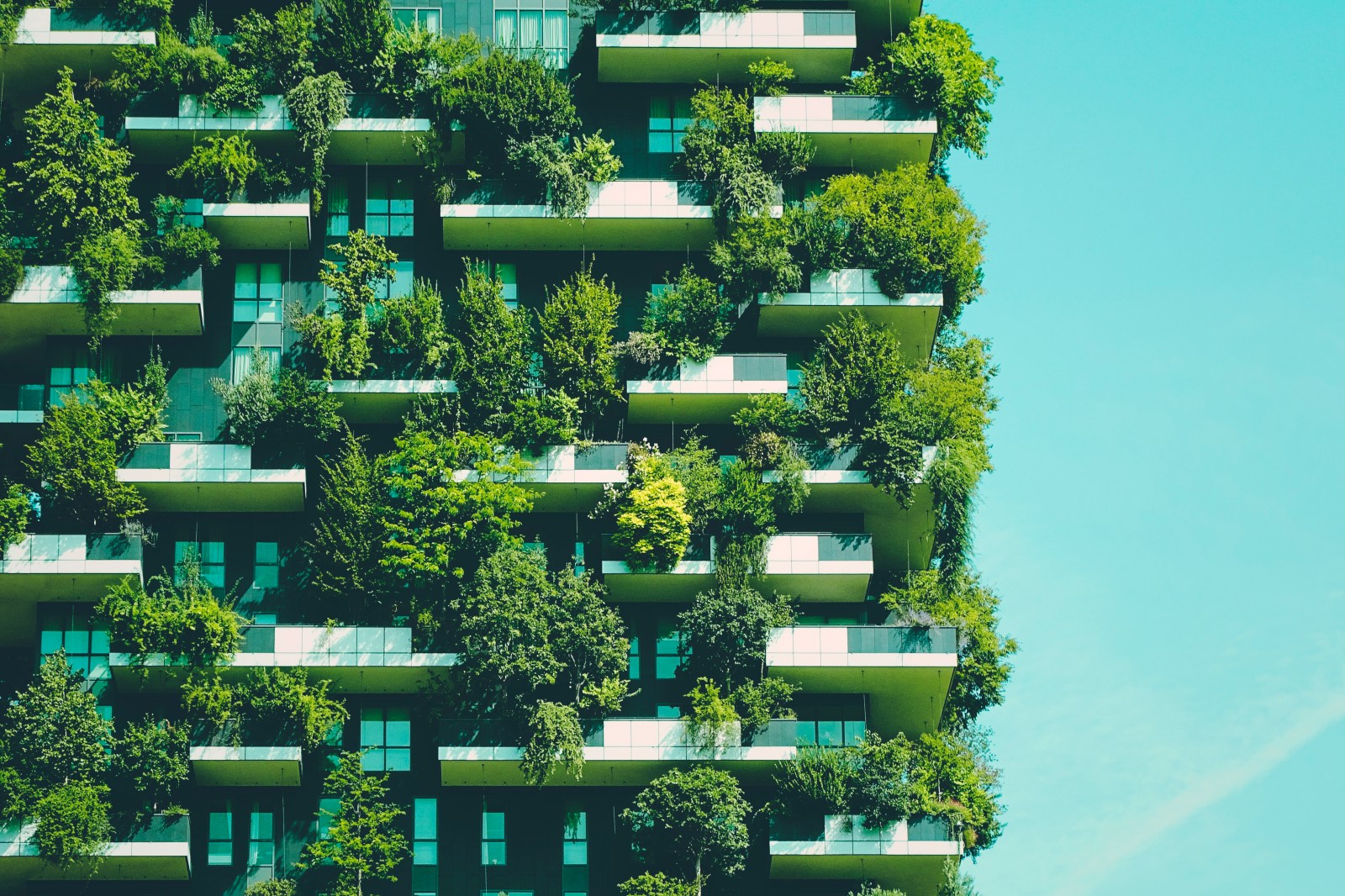
Older adults living in greener areas may have a lower likelihood of developing dementia, according to a new study. Researchers from Stockholm University and Karolinska Institute in Sweden tracked nearly 3,000 individuals over 16 years. They discovered that those living within 110 yards of more vegetation had a 20 percent reduced risk of dementia.
The findings, published in Alzheimer’s & Dementia, emphasize the role of green spaces in enhancing brain health and mood as people age. Cecilia Stenfors, the study’s first author and associate professor of psychology at Stockholm University, highlighted how urban and residential planning should prioritize these spaces to support mental resilience.
Stenfors explained the potential mechanisms through which greener surroundings might benefit brain health. These include promoting psychological wellbeing, facilitating outdoor activities, encouraging social interactions, and mitigating environmental stressors such as pollution and noise.
Assessing Greenery’s Effect on Dementia
The study involved adults aged 60 and older participating in the Swedish National Study on Aging and Care in Kungsholmen (SNAC-K). Researchers used satellite imagery and geographic information systems to measure vegetation around homes annually. They evaluated greenery within 110, 275, and 550 yards of residences and regularly assessed participants’ cognitive health.
Findings showed that the strongest protective association was found within 110 yards of homes. Although all distances showed some benefit, the effect was more notable in closer proximity. The protective benefits were also more significant among women.
Researchers considered various factors affecting dementia risk, including age, education level, socioeconomic status, lifestyle habits, air pollution, and traffic noise.
Importance of Nearby Nature
Stenfors underscored the importance of nearby green spaces in the everyday environment. Prior studies associated residential greenery with improved sleep, better mental health, and reduced antidepressant use.
Green spaces support healthy aging by encouraging outdoor activities, promoting physical exercise, and fostering social connections. Vegetation helps reduce exposure to pollution, noise, and urban heat, creating what Stenfors calls a “buzzer zone.” These areas are crucial as cities become denser, which can lead to less healthy environments and increased risk from extreme weather.
Stenfors described vegetation as a “nature-based solution,” benefiting brain health, biodiversity, and providing cooling and flood protection during heatwaves.
Clinical Perspectives on Green Spaces
Dr. Željko Kojadinović, a neurosurgeon with over 35 years of experience, noted the study’s emphasis on the 110-yard radius as significant. He explained that regular exposure to nature might enhance mood, promote physical activity, and encourage social interaction—all factors supporting brain health.
He suggested that plant life acts as a natural filter for airborne pollutants, which can harm brain’s small blood vessels, known as cerebral microangiopathy. While the study denotes an association rather than causation, Kojadinović highlighted its relevance to clinical observations where dementia often involves multiple factors.