
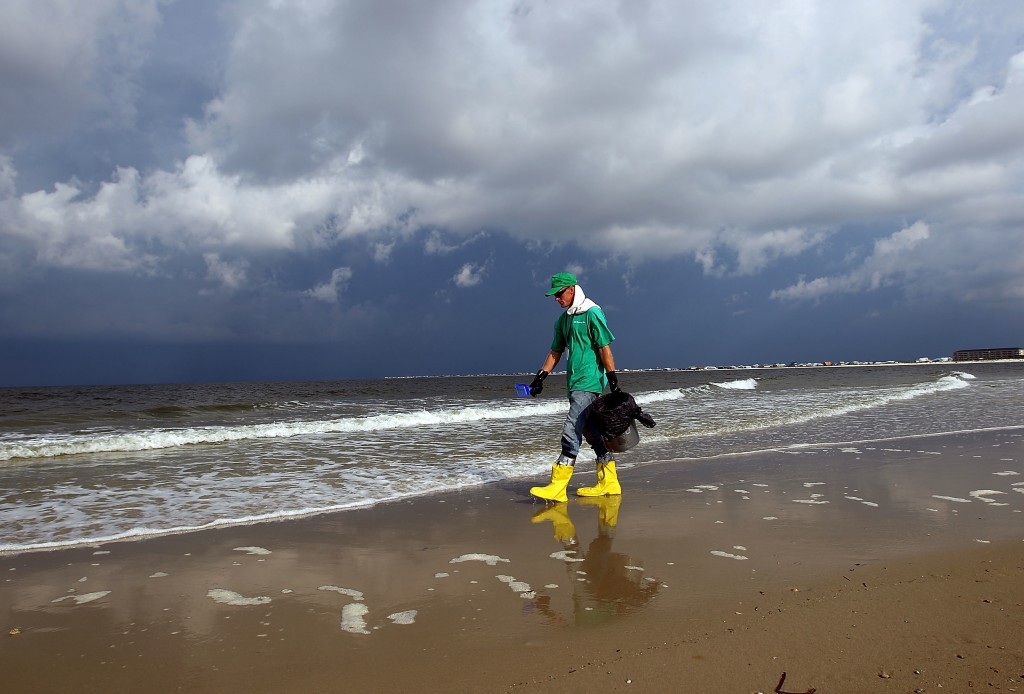
A recent study highlights the significant drop in marine animal populations in the Gulf of Mexico since the 2010 Deepwater Horizon explosion. The disaster caused a 60% decline in marine life over the years following the spill.
Marine Life Decline
In the Gulf’s important twilight zone, marine life experienced dramatic decreases. Fish numbers dropped 63.5% from 2011 to 2015. Crustacean populations, including shrimp and krill, fell by 62%, while larger creatures like squid declined by 59.7%. This study, published in the journal PNAS, shows little recovery in these populations even years later.
The researchers focused on this previously unexamined ecosystem. They collected data using nets and acoustic sonar at various depths. In 2011, scientists documented the populations, and saw a significant drop in sea life when they returned three-and-a-half years later.
Assessing the Causes
The team considered natural factors like temperature, oxygen, and food, finding no variation with the decline. Study lead author Tracey Sutton indicated that the oil spill was the likely cause.
Sampling efforts continued beyond 2015, with low populations persisting. Slight increases in 2022 and 2023 were not statistically significant, Sutton noted.
We saw this big decline. The question was then why?
Sutton’s Findings
The team’s research involved nets, sonar, and genetic studies, all of which documented declines. Following the explosion, many marine creatures faced challenges due to pollution. These pollutants affected surviving eggs, weakening future generations.
Response to the Spill
BP’s spokesperson, Paul Takahashi, admits the company underwent changes to prevent similar incidents. Co-author Isabel Romero explained the impact of oil and dispersants on fish. Oil posed a toxic threat, while dispersants increased exposure in deeper waters. Alternative methods could better handle future spills by promoting oil-consuming microbes.
The Gulf’s Complex Ecosystem
The study revealed the oceanic Gulf as a highly interconnected ecosystem where organisms migrate vertically. Outer space remains more explored than this region, according to Kaitlin Frasier of the Scripps Institution of Oceanography.
Some specialists noted the extensive damage from the spill, like Dalhousie University’s Boris Worm, who highlighted the spill’s vast and ongoing impact.
Keeping these consequences in mind is crucial as discussions on deep-sea mining and offshore drilling continue. These forgotten damages illustrate the need for awareness and caution in future exploration efforts.