
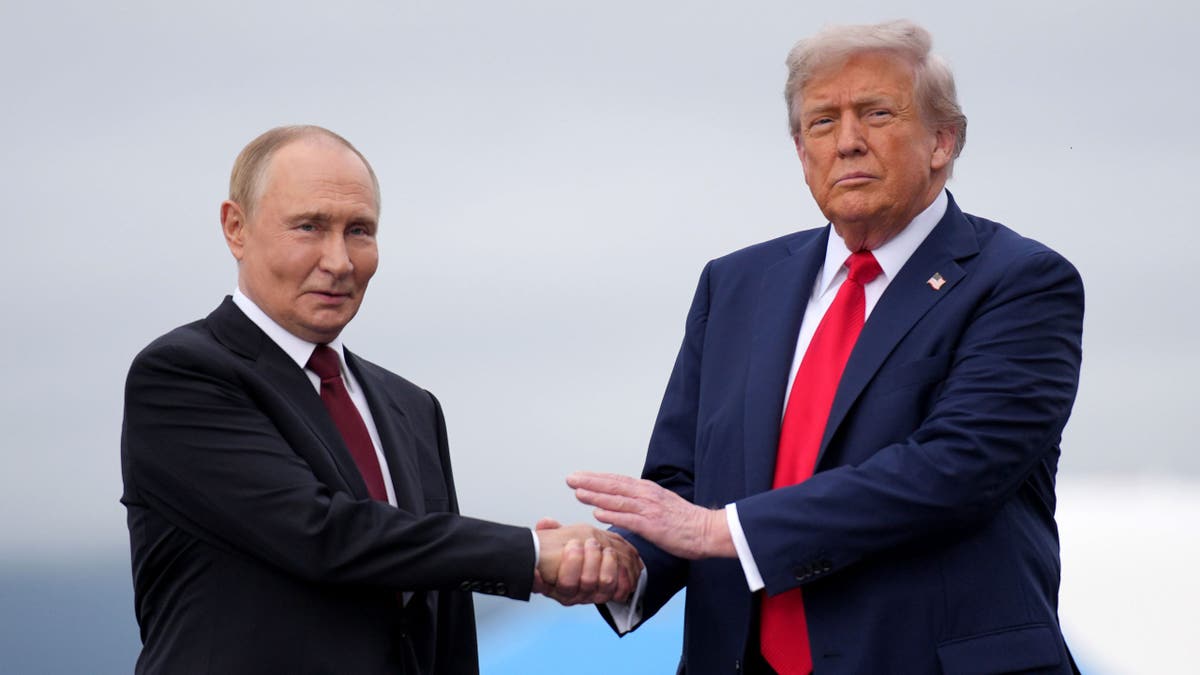
President Donald Trump has decided to ease some economic restrictions on Russia, aiming to coax Vladimir Putin towards a peace agreement. This move will test whether economic incentives can shift Moscow’s positions where previous sanctions have failed.
The decision involves temporarily easing limitations on Russian diesel, a move that has upset some Republicans in Congress. They are skeptical about whether it will significantly lower prices for U.S. consumers.
Despite these actions, Russia has shown minimal public concessions. Six Republican senators have joined Democrats in urging Trump to reconsider, while five House Republicans have also sought the reversal of the Treasury authorization via a bipartisan letter.
This resistance comes as the U.S. faces an October 18, 2026, deadline to enforce a new sanctions law aimed at increasing pressure on Russia.
“Bipartisan senators demand Trump scrap Russia diesel deal, call it ‘betrayal’ of U.S. allies.”
The Trump administration argues that allowing Russian diesel into global markets might help lower fuel prices for American consumers, demonstrating the economic benefits Russia could gain by improving relations with the U.S.
Trump defends the agreement as a strategic supply increase to a strained global diesel market. He insists that Russian fuel does not need to arrive in the U.S. to influence U.S. consumer prices.
Energy analysts, however, question the impact of the volumes involved. Russia continues attacking Ukrainian energy infrastructure, even after Trump announced an energy ceasefire agreement.
John Hardie from the Foundation for Defense of Democracies suggests a diesel deal would make sense as part of a mutual ceasefire agreement between Russia and Ukraine.
The Ukrainians could tolerate it if it formed part of a mutual energy truce where both sides refrain from attacking each other’s infrastructure,” Hardie commented.
Instead, Trump pressed Ukraine to stop refinery strikes without securing a similar commitment from Putin. Hardie recommends pursuing a balanced truce.
After a conversation with Putin on October 9, Trump announced Russia’s plan to supply diesel globally. This would start with over 300,000 metric tons, increasing to 4 million tons, depending on the refinery conditions.
The Treasury issued General License 135 on the same day, authorizing transactions involving Russian diesel until April 2027.
The diesel issue has strained relations between Trump and Ukrainian President Volodymyr Zelenskyy. Trump has asked Kyiv to halt refinery attacks, while Zelenskyy criticized the diesel deal and accused Russia of neglecting the energy ceasefire. Ukraine alleges that Russia ignored the agreed pause, leading to resumed strikes on Russian oil facilities.
The energy conflict escalates as winter approaches. Russian missile attacks have damaged Ukrainian energy plants, affecting thousands.
The White House sees the diesel deal as benefiting global fuel markets and offering Russia a glimpse of the economic advantages from improved U.S. ties.
Steve Witkoff and Jared Kushner have engaged with Ukrainian officials regarding the deal as part of renewed peace efforts. Sources say the agreement might “soften” Moscow’s position by showing Trump’s willingness to trade with Russia.
However, analysts doubt Russia’s ability to deliver significant additional diesel. Masha Kotkin from the Center for Strategic and International Studies told S&P Global:
The diesel Russia can provide is negligible compared to global demand. It won’t significantly affect U.S. diesel prices.”
Sergey Vakulenko from the Carnegie Russia Eurasia Center voiced similar concerns, noting the $7 billion value of the diesel is not new income for Russia. He estimates Russian exports remain largely uninterrupted by sanctions, with improved terms providing marginal benefits to sellers.
Ukrainian strikes make it unlikely for Russia to boost exports. In April, Russia exported around 3 million tons of diesel monthly; by September, this dropped to about 325,000 tons.
Hardie points to the rift between Washington and Kyiv as a possible motivator for Putin.
“Seeing division may embolden Putin to increase military pressure,” Hardie observed.
Previously presented sanctions relief to Russia as a negotiation outcome, offering benefits pre-agreement might lessen Russia’s drive to comply.
As Congress takes a tougher stance, having passed the Lindsey O. Graham Sanctioning Russia and Iran Act, the first deadline approaches for implementation.
Republicans like Thom Tillis, Susan Collins, and John Cornyn, along with others, called on Trump to rescind the diesel deal. They argue that it offers little benefit to the U.S. market while supplying funds to Moscow.
A separate group of 22 House lawmakers also asked Trump to withdraw the diesel authorization and enforce the Graham Act.
The White House maintains the agreement’s merits, emphasizing domestic cost reduction and conflict resolution goals.
Hardie questions economic incentives’ effectiveness on Putin.
“At this stage, Putin prioritizes Ukraine and legacy issues over Russia’s economic concerns,” Hardie stated.
This diesel agreement is pivotal for Trump’s approach: enticing Russia with economic prospects to negotiate peace, facing the challenge of whether easing sanctions will foster a settlement or embolden Moscow.