
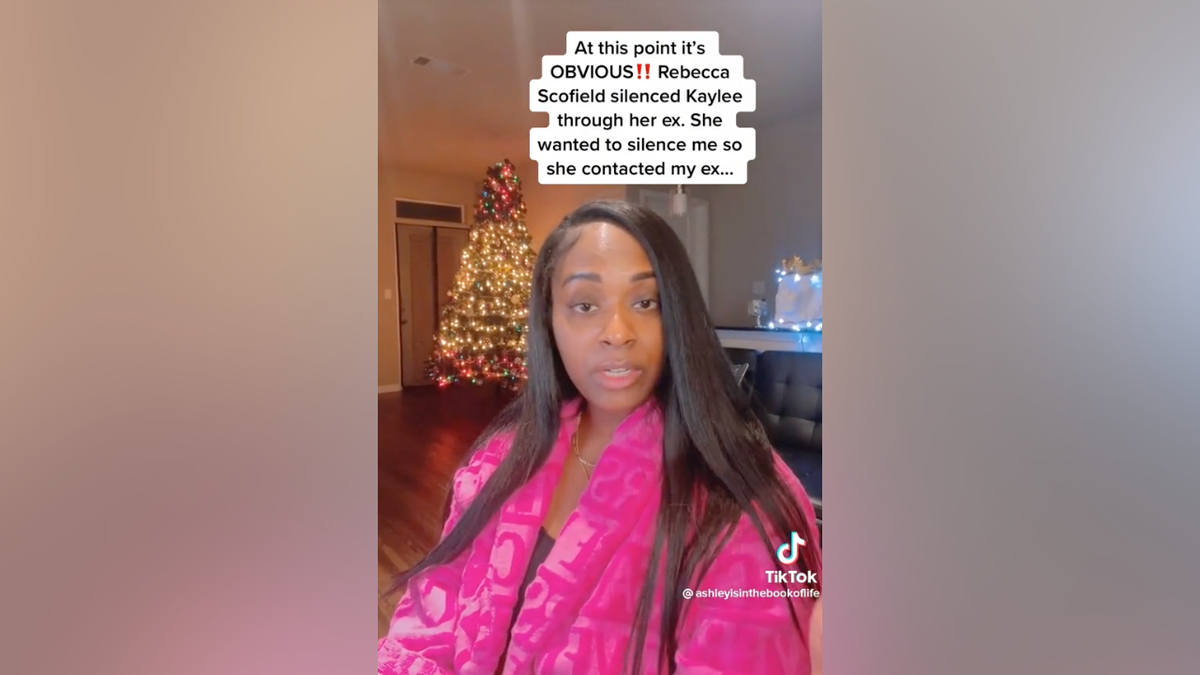
The University of Idaho historian, Rebecca Scofield, who won a defamation lawsuit against a TikTok psychic, has shared her experiences and fears in a new op-ed. Accused without evidence of involvement in the murders of four students, Scofield reveals the impact on her life and her children’s safety.
Rebecca Scofield’s Ordeal
Rebecca Scofield first encountered Ashley Guillard’s unfounded allegations on Thanksgiving, shortly after the murders. Court records disclose Scofield’s distress during this period. She expressed intense fear for her son, often staying awake all night by his bedside. “I went and laid in my son’s bed because his bedroom is the closest to an entrance to our house,” she stated at trial, describing her vigilance over her children’s safety.
“Over the next several weeks, while I was grieving with the rest of my community, this TikTok influencer uploaded over a hundred videos declaring that I had committed a quadruple homicide,” she recounted in the op-ed. “The videos got millions of views.” This led to an overwhelming influx of threatening messages.
Legal and Personal Consequences
Despite Scofield’s lawyers issuing a cease-and-desist order, and Moscow police clearing her as a suspect, Guillard persisted with claims even after Bryan Kohberger was arrested for the crimes. These false accusations disrupted Scofield’s life significantly. She taught classes remotely to avoid public exposure and grappled with invasive fear for her family’s safety at home.
Ultimately, a federal jury awarded Scofield $10 million in her defamation case against Guillard. Guillard has since appealed the decision.
Social Media’s Role and Responsibility
Scofield’s experience highlights the power and responsibility of social media platforms in spreading damaging misinformation. She called for accountability from these platforms, proposing reconsideration of Section 230, a federal law that protects them from defamation lawsuits. “We can try to hold platforms accountable for the harmful content they spread,” Scofield wrote.
“A federal law, Section 230, protects online platforms from many defamation lawsuits, meaning that only individuals are liable for misinformation.” She challenged public reliance on social media as a source of truth.
Rebecca Scofield emphasized that technological advancements have historically altered societal dynamics, from the printing press’ impact on Christianity to radio’s role in spreading fascism. Digital platforms, according to her, distinctly alter reality by disseminating unchecked information.
Her case serves as a cautionary tale about the influence of social media and its ability to affect personal lives profoundly. As part of reflecting on these events, she invites individuals to share their stories and take responsibility for the online world they inhabit.