
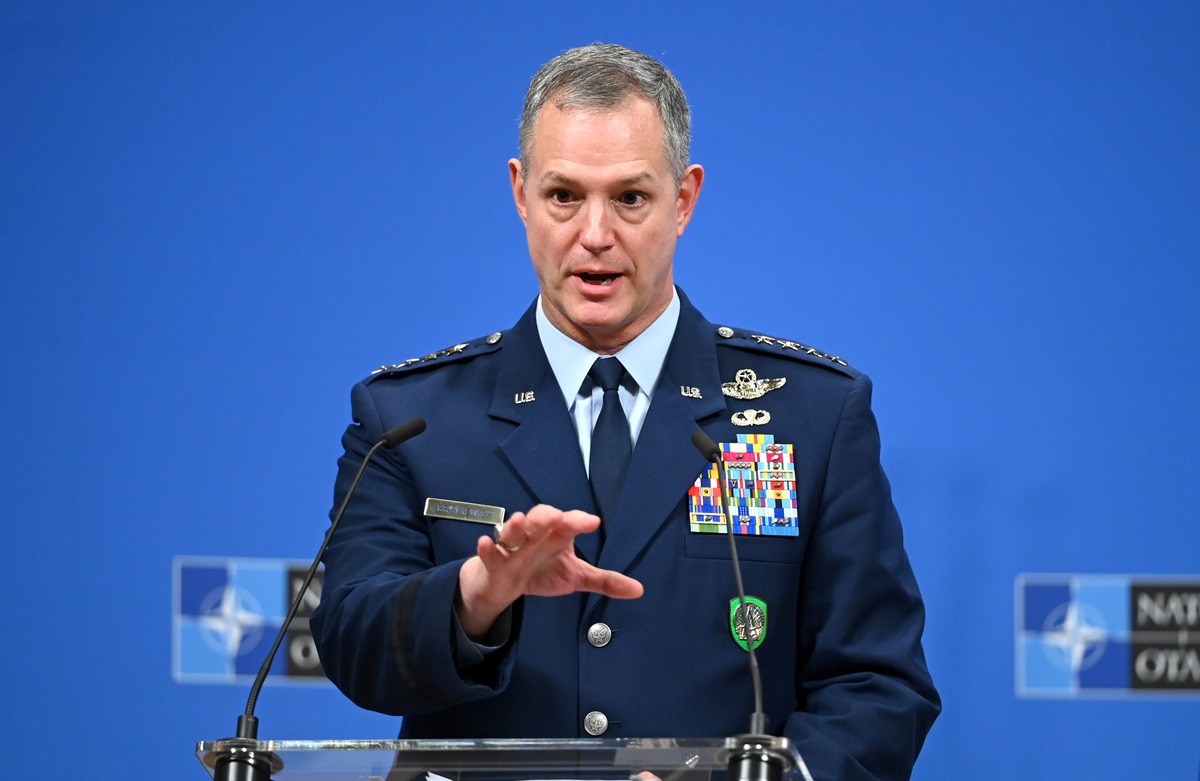
NATO’s top military leader, General Alexus Grynkewich, outlined a detailed plan for addressing any aggression against the alliance. Speaking at a security forum in Warsaw, Poland, General Grynkewich emphasized that all 32 NATO members concurred on a unified “theory of victory.” This strategy is designed to deter any nation from attacking a member state and ensure a strong defensive response if an attack occurs.
Recent months have seen warnings from military and intelligence officials about the likelihood of Russia escalating its “hybrid warfare” techniques against NATO members. This approach includes cyberattacks, disinformation campaigns, and targeting critical infrastructure like power grids and undersea cables.
A minor land seizure or military operation against NATO territory is considered a plausible threat. Denmark’s military and foreign intelligence services noted an increase in Russian cyberattacks and sabotage activities, describing Moscow as becoming more risk-prone. In response, NATO members are ramping up their military expenditures and reinforcing their forces. This move follows pressure from the U.S. to lessen Europe’s reliance on American military resources due to strategic focuses elsewhere, like Taiwan.
Particularly concerned are European NATO nations near Russia’s borders, who have experienced incursions from drones and missiles. Officials consider these actions probing attempts by Russia to weaken NATO’s cohesion and diminish support for Ukraine. Despite potential threats, General Grynkewich assured that no immediate conflict appears likely, noting, “I do not assess that conflict is imminent or inevitable.”
How NATO Would Respond
If attacked, NATO’s plan involves mobilizing its land forces to counter the breach. Aircraft and naval assets would join the response, deploying both economical munitions and advanced precision weapons to combat enemy forces. While space and cyber units would be activated, the specific roles of these assets remain undisclosed.
NATO would counter any further aggression by targeting both invading forces and their logistical support systems. An array of low-cost weapons would overwhelm enemy troops, supplemented by fewer but more precise and expensive missiles.
This is an ongoing story and further updates will follow.