
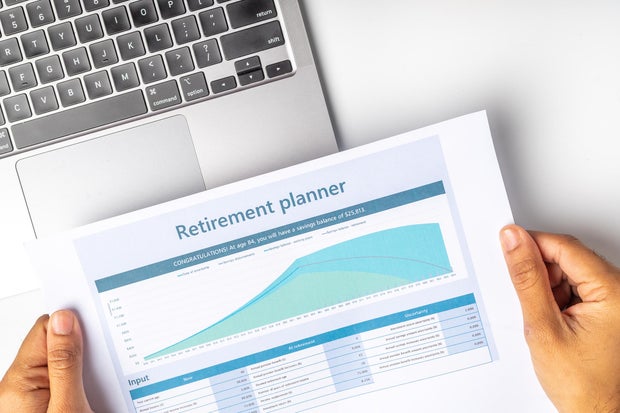
High inflation rates require a fresh look at your retirement plan. Many assumptions made during initial planning might no longer apply. Adapting to current financial conditions is crucial for a sustainable retirement strategy.
Reassessing Retirement Assumptions
Planning for retirement involves estimating future expenses, savings longevity, and investment returns. Currently, around 61% of Americans have a financial plan. This is an increase from 58% last year as per New York Life’s 2026 Wealth Watch Midyear Outlook. However, inflation can alter even the most carefully crafted plans by increasing the cost of living.
According to the study, only 52% of Americans feel secure that their retirement savings will last a lifetime. While inflation has moderated from previous highs, many expenses remain elevated. This discrepancy can impact the financial expectations of retirees and those nearing retirement.
Adjusting for Inflation
Inflation affects retirement in various ways, not only through basic expenses. Significant factors include:
- Retirement Savings Targets: Inflation erodes purchasing power. A $50,000 expense today could cost $67,000 in ten years if prices increase annually by 3%. Periodic recalculations using current costs can help maintain lifestyle expectations.
- Retirement Withdrawals: Inflation can dictate how much needs to be withdrawn from portfolios. Rising living costs mean sticking to a fixed withdrawal amount may require cutting expenses. However, increasing withdrawals during low return periods can risk depleting savings quickly.
- Investment Strategy: Inflation can alter asset roles in a portfolio. Cash and fixed-income investments provide stability but may lag behind inflation. Stocks offer growth but with volatility. Treasury Inflation-Protected Securities (TIPS) can safeguard against price increases.
Social Security and Retirement Timing
Social Security benefits include annual cost-of-living adjustments (COLAs). In 2026, a 2.8% COLA was applied to benefits. While these adjustments help, they might not fully offset individual expense changes. Using Social Security as part of an overall income plan allows better management of rising costs.
For those nearing retirement, inflation might prompt reconsideration of retirement timing. Increasing monthly income requirements might necessitate working longer. Delaying retirement provides more time for savings and can enhance Social Security benefits.
Continuous Planning and Adaptation
Inflation does not necessarily dismantle a retirement plan but can highlight outdated elements. Regular reviews of assumptions and adjustments for cost-of-living changes ensure a more robust and realistic retirement plan. Small, ongoing tweaks are more manageable than dealing with a drastically altered financial landscape later on.