
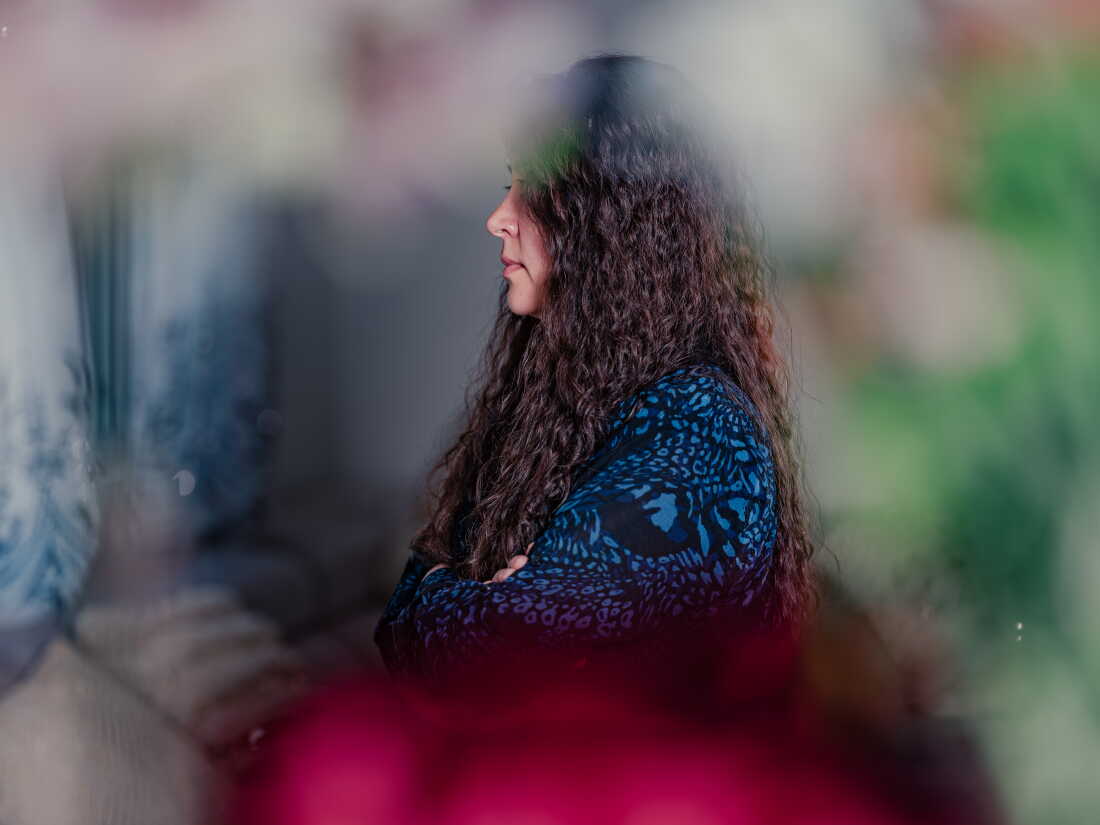
When the Taliban regained control of Afghanistan in 2021, a 33-year-old woman known as S. was among those evacuated. She relocated to California with her youngest child, leaving her two other children in Kabul. Concerned for their safety, S. asks that only her first initial be used.
In Fremont, California, a community known as “Little Kabul” has emerged with some 100,000 Afghans settled over the years. The Afghan Coalition, a non-profit organization, regularly holds meetings where immigrants can learn about how to stay safe from U.S. immigration enforcement. Freshte Ahrar, a case worker with the Council on American-Islamic Relations, provides guidance on rights and procedures, emphasizing that no one is entirely safe, regardless of immigration status.
Uncertainty Amid Stricter Policies
Under President Trump’s administration, immigration policies have become more stringent. An executive order soon after his inauguration tightened vetting for immigrants and refugees. This led to apprehension among Afghan refugees in the U.S. as the administration restricted entry for nationals from several countries, including Afghanistan.
Later, an incident in 2025 heightened scrutiny of Afghans in the U.S. Rahmanullah Lakanwal, once a CIA-backed counterterrorism soldier, was implicated in a shooting. The administration promptly halted immigration requests involving Afghans. U.S. Immigration and Customs Enforcement detentions surged by over 70%, adding to the turmoil faced by many Afghans.
Contributions and Concerns
Individuals like Ahmad, who worked for the U.S. Embassy in Kabul, express their frustration. Now residing in Concord, California, Ahmad helps fellow immigrants while anxiously waiting for permanent residency. He worries about potential immigration issues, despite his adherence to laws and contributions to society.
NPR reached out to the Department of Homeland Security, which insists that those legally in the U.S. have nothing to fear. They criticize the Biden-era programs for insufficient vetting, without performing necessary background checks.
A Mother’s Struggle
S.’s situation personifies the complex narratives of Afghan evacuees. Her children, left behind during the chaotic evacuations, remain in Kabul with their grandmother. Despite escaping to the U.S., S. feels bound by the anguish of separation from her children.
Holding various roles, including working for the U.S. Drug Enforcement Administration, S.’s past involvement once filled her with pride. However, with her children still in Afghanistan, she feels betrayed by the U.S. government she supported. Efforts to reunite with her children were thwarted by renewed policy barriers.
Facing protracted processes for a green card, S. endures an emotional journey filled with longing and determination. Although frustrated, she vows to keep fighting for her children’s chance to join her.
The U.S. intervention in Afghanistan offered opportunities but came with high personal costs for many, including S. Her experience reflects the broader challenges faced by Afghans who sought refuge and a new beginning.