
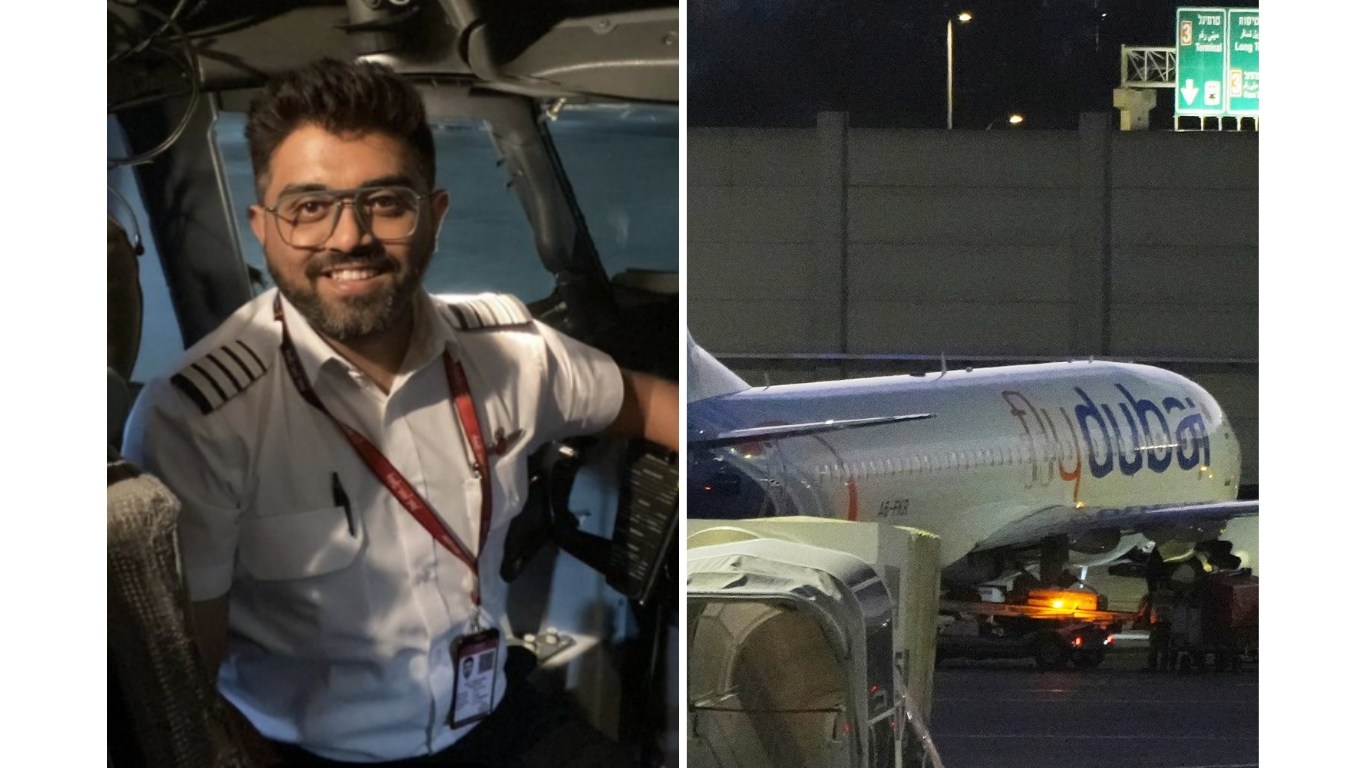
National and international investigators are exploring how a co-pilot, accused of attacking a FlyDubai captain and attempting to crash a flight to Israel, was reportedly able to work in aviation despite being identified as a potential security threat. The co-pilot, an Omani national, had previously been suspended from flying during training with Oman Air in 2024 after investigators allegedly found extremist materials in his possession, according to ABC News. The report cites senior intelligence and law enforcement officials.
After the suspension, he was supposedly allowed to continue in an administrative job. Investigators are now looking into how he eventually came to fly for FlyDubai and became a first officer on a flight to Tel Aviv. The Wall Street Journal also reported that the pilot was banned from flying by Oman due to concerns over his radical views. It is unclear if these concerns were shared with foreign airlines or governments before his employment with FlyDubai.
Overview of the Incident
Many details regarding the incident remain under investigation. According to officials cited by ABC News, investigators are focused on how the pilot secured a cockpit position on a FlyDubai flight to Israel despite prior suspensions. FlyDubai operations to Tel Aviv were temporarily suspended at the request of authorities as a full investigation proceeds.
The incident nearly led to catastrophe when the pilot allegedly stabbed Captain Smit Machchhar, sending the aircraft into a dive. Passengers and other aviation professionals on board managed to regain control, eventually landing safely in Saudi Arabia.
Aviation Security Concerns
Security concerns involving pilots are among the most serious issues airlines and regulators face. Pilots undergo extensive background checks, medical evaluations, recurrent training, and ongoing monitoring. Depending on the jurisdiction, concerns related to violent extremism, terrorism-related activities, radicalization, or violence can lead to suspension, revocation of certifications, or other restrictions.
Cases involving pilots accused of extremist beliefs or intentions are relatively rare compared to routine disciplinary, medical, or performance-related issues. However, aviation-security experts regard insider threats as particularly dangerous due to the authorized access pilots and crew members have to secure areas and aircraft systems.
Questions Facing Investigators
Investigators will likely focus on whether warning signs were overlooked or information was inadequately shared between organizations. According to the Journal, it is not known whether concerns identified by Omani authorities were communicated to foreign airlines or regulators. Investigators are examining how the pilot progressed from a restricted status at one airline to an operational flying role at another.
This case may raise questions about how airlines evaluate employees over time. Initial background checks are only one component of aviation security. Many experts emphasize ongoing assessments and information-sharing mechanisms when credible concerns arise.
Authorities in the United Arab Emirates, Israel, and other countries are continuing their inquiries. Until these investigations are concluded, the central questions remain unanswered, including the pilot’s movement from a restricted status at one airline to a cockpit role at another.