
In the summer of 2012, knuckleball pitcher R.A. Dickey surprised the baseball world by winning the Cy Young award. This event inspired my sons to attempt mastering the knuckleball in our backyard. This unique pitch moves erratically due to its lack of spin, offering opportunities for unlikely players to make it to major leagues, even the Hall of Fame.
Motivated by my sons’ enthusiasm, I embarked on a journey to see how far they could develop their skills. During this decade-long pursuit, two business tycoons also dreamed of conquering knuckleball challenges, forming unique stories featured in my book “School of Hard Knucks: My Three Sons and Baseball’s Wildest Pitch.”
One of these stories revolves around Howard Rich, a Brooklyn real estate investor with a fondness for the free market. He founded Americans for Limited Government and possessed season tickets for the Mets. In 2012, as he watched Dickey befuddle batters, his wife Andrea posed a question: “If the knuckleball is so difficult to hit, why do only a few pitchers use it in major leagues?” Rich saw this as a chance to address what appeared to be a market gap. He launched the International Knuckleball Academy (IKA), employing Chris Nowlin and Zach Staniewicz, both minor league knucklers.
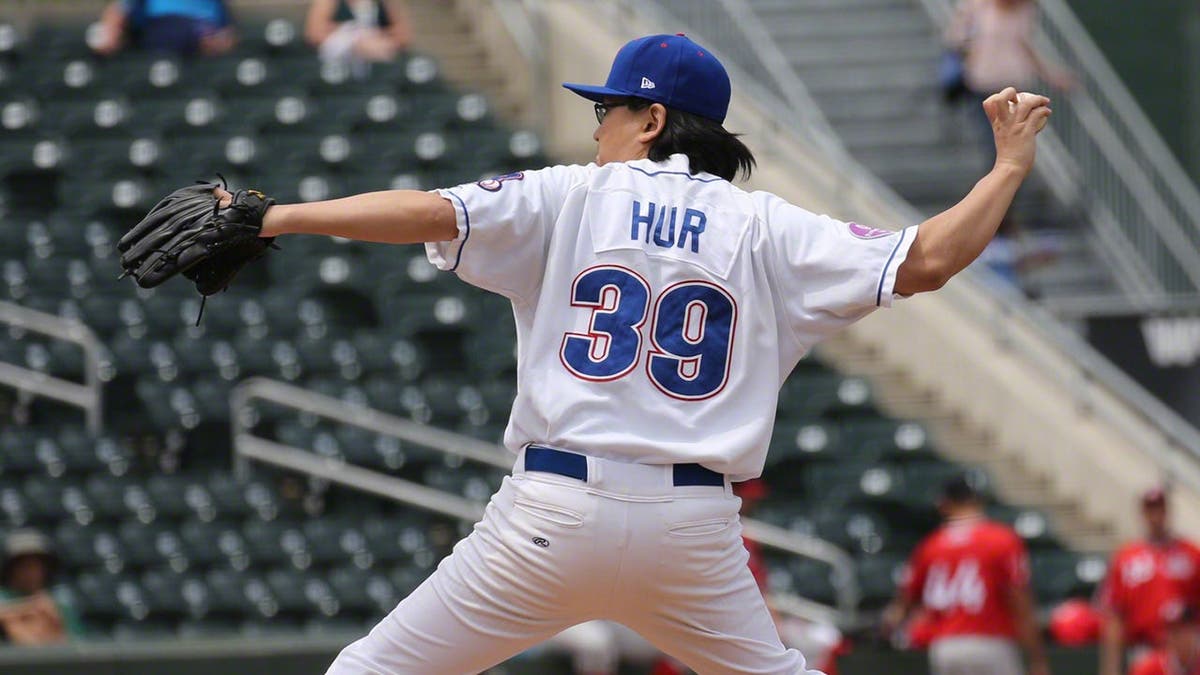
Across the world, Min Hur, a 36-year-old South Korean millionaire, chased his childhood dream of playing professional baseball. “If I could master the knuckleball,” Hur shared, “I might get another shot.” He converted his Seoul office rooftop into a training facility equipped with advanced pitch tracking technology, setting the stage for his aspirations.
Phil invited me to his home in Atlanta and over a month taught me everything from the grip to the philosophy behind the pitch. He became my great mentor.
Hur reached out to legendary knuckleballer Phil Niekro, learning essential skills from him. He also trained with Charlie Hough, another knuckleball standout. In 2013, Hur secured a well-connected agent, resulting in tryouts with teams such as the Rangers and Mariners, though these opportunities did not pan out. Eventually, the Rockland Boulders, an independent minor league team, gave him a shot. Hur devoted himself to his pitching career, setting aside his business endeavors.
The Boulders promoted Hur’s first professional appearance as “Min-Sanity,” reminiscent of the NBA’s “Lin-Sanity” period. Fans from New York’s Korean communities attended the game, and Hur’s family flew in from Seoul to witness his performance. He pitched three innings, allowing five runs, five hits, and four walks. He also hit three batters, which demonstrated the unpredictability and challenge of the knuckleball.
Howard Rich followed these events closely and sought Hur’s collaboration with IKA. He instructed Nowlin to arrange a meeting after learning of Hur’s baseball interest. Though they met in Koreatown, communication issues prevented clear discussions about the academy.
Rich persevered with the IKA concept, renting Dodgertown, a historic training facility. However, Staniewicz expressed concerns about the demand: “It’s hard enough to find individuals willing to attempt knuckleball pitching, let alone pay substantial fees for instruction,” he remarked.
Rich devised a financial plan, suggesting players attend without cost, and in return, if they reach major leagues, a portion of their earnings would return to the academy. Nonetheless, the IKA ceased operations before enrolling a single participant.
Min Hur continues pursuing his dream. Recently, I met him in a Lower Manhattan batting cage. After a season with the Melbourne Aces in Australia, Hur, now 50, met a knuckleball coach from Buffalo named Joe Gannon. Though aged for a baseball player, Hur feels the knuckleball keeps his aspirations alive.
I’m better than ever,” Hur confidently stated.