
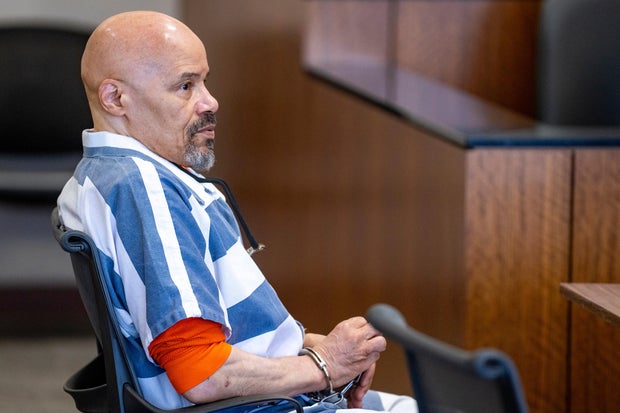
A Utah judge has ordered the release of 71-year-old Douglas Stewart Carter, who spent decades on death row for a 1985 murder. The decision comes despite objections from the victim’s family, as new DNA evidence suggests Carter was not at the crime scene.
Carter was sentenced to death in 1985 after being found guilty of killing Eva Olesen, a relative of the Provo police chief. The state Supreme Court called for a retrial last year, citing misconduct by investigators. Carter maintains that his confession was coerced.
No physical evidence linked Carter, a Black man, to the crime. Conviction was based on his confession and witness testimony, which was later recanted. Judge Derek Pullan cited that the DNA report undermined the case, yet acknowledged a jury might still find him guilty under certain circumstances.
Carter must wear a GPS monitor and avoid Olesen’s family as conditions of his bail. He’ll stay in temporary accommodation near his son, adopted by another family. Hindered by years of incarceration, Carter will undergo therapy, said defense attorney Neal Hamilton. “He’s being released with 41 years of state-induced trauma,” Hamilton noted.
DNA Evidence and Prosecutor’s Decision
A retrial was scheduled for 2027, but Utah County prosecutors have withdrawn intent to pursue the death penalty. DNA analysis on September 22 did not match Carter with evidence from the crime scene, including blood on a doorknob and genetic material from the knife used.
Carter’s DNA profile has been in the FBI database since 1995, but no match was found, added Hamilton. Prosecutors are now reevaluating all remaining evidence.
Background and Case Developments
Carter, originally from Chicago, lived with his mother in Utah when Olesen was killed on February 27, 1985. Investigators focused on Carter as a primary suspect for committing a robbery-murder. He fled to Tennessee before a confession was extracted during an intense interrogation.
Carter’s confession came after being held contingent on his friend witnessing harsh police tactics. He confessed to protect his friend, according to Hamilton.
Witness Accounts and New Trials
In 2011, key witnesses recanted their trial testimony, accusing the police of bribery and coercion under the threat of deportation. These developments led the Utah Supreme Court to order a new trial in response to “multiple instances of intentional misconduct” by law enforcement.
Prosecutors have not clarified if they will use DNA findings to seek other suspects.
Other Suspects Considered
Carter’s defense suggests a White man was seen fleeing the scene, pointing to possible suppression of evidence against other suspects, including the victim’s husband, Orla Olesen, who reportedly found his wife’s body.
Family members, like Theresa Olesen, voiced their concerns during the bond hearing. They fear his release could hinder justice, urging continued investigation.