
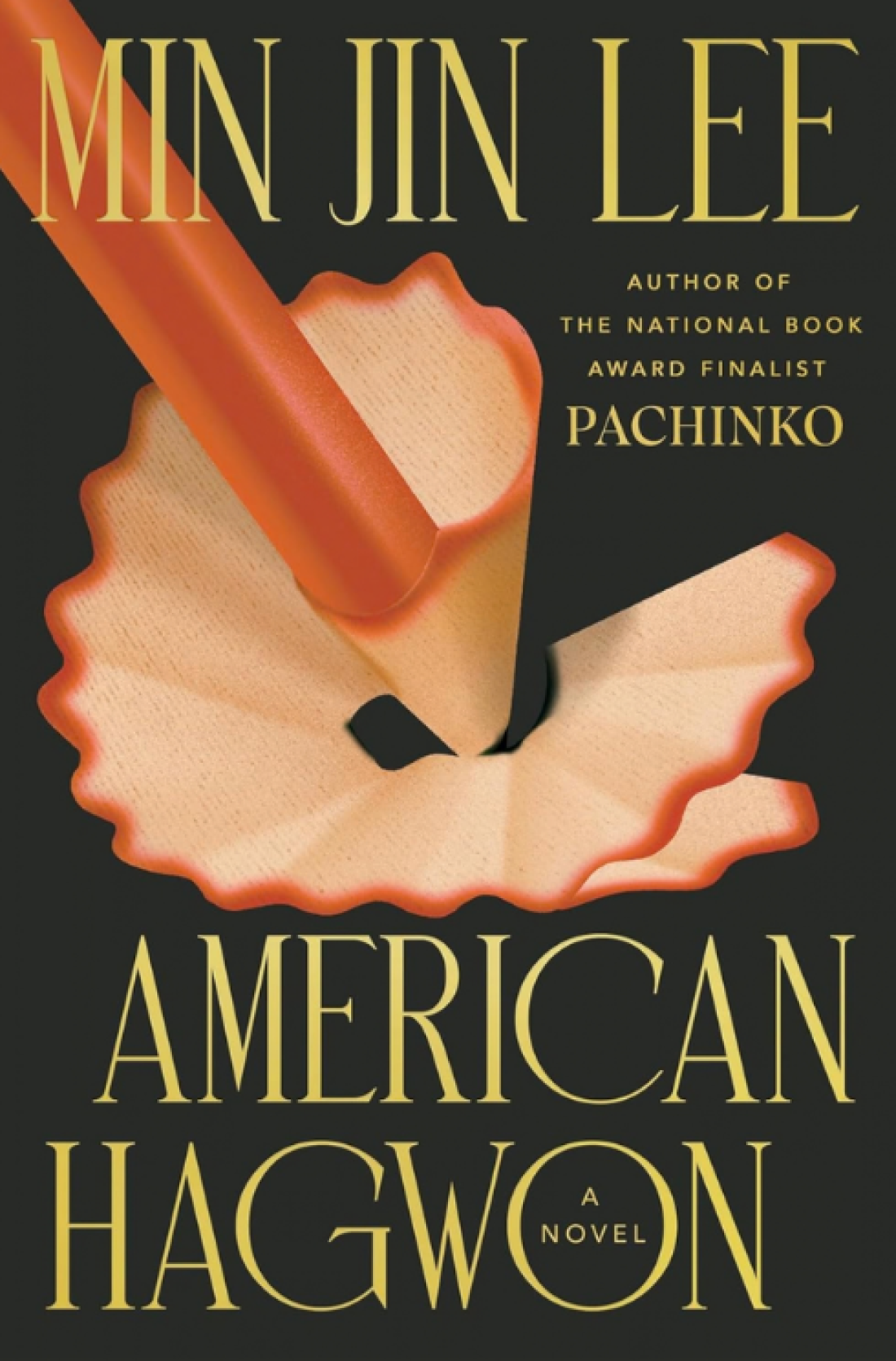
American Hagwon, Cardinal Min Jin Lee’s latest novel, has been nearly a decade in creation. Despite this seemingly long development period, the complexity and depth of the narratives she presents make it a worthwhile endeavor. This novel is the third in Lee’s planned quartet exploring the Korean diaspora, with its predecessor, Pachinko, being recognized as a finalist for the National Book Award.
The story is an intricate exploration of immigration, the delicate promise of America, and the significance of education. It is both an intimate and expansive journey that captivates the reader, making it difficult to part with the characters after over 600 pages. The narrative centers around the Koh family, spanning from 1992 to 2007. Initially, John and Helen Koh have returned to Seoul after a six-year stay in Sydney, Australia, where John worked for a Korean conglomerate. Prior to Australia, the Kohs lived in the U.S., with their three children born in Paramus, New Jersey. Despite these roots, Korea feels foreign, especially for their daughter Mido, who struggles in school.
Korea becomes another transient stop, disrupted by betrayal. Taehun Shin, John’s oldest friend and superior, pressures John into sabotaging an employee, Danbi, at the company. John’s integrity falters as he submits to orders, leading to Danbi, a manipulative force, causing John’s downfall.
The novel shifts to 1997 amidst the Asian financial crisis. The Koh family, along with other vividly portrayed characters, moves to Southern California. Even Shin and Danbi eventually settle there. A support network of family, school friends, and the Korean church provides some stability, though the Kohs must adapt to lesser circumstances. John finds work in the kitchen at Shrimp Castle, a Korean mall restaurant. The toil affects him deeply, leaving his apron stained and his hair matted with sweat.
Hard work defines the characters, exemplified by a late addition, Mary, Shin’s estranged wife. Working in a New Jersey florist shop, she reflects on how laborious lives can lead to early deaths from cancer, questioning if strenuous work itself might be fatal.
The Koh children represent hopes for a brighter future, working in hagwons, private prep academies. Typically, hagwons focus on academic excellence and Ivy League aspirations, but the one they work at is led by Lion, a Korean American who envisions education as transformative rather than merely transactional. Lion’s powerful speech to 500 ethnically Korean parents is a pivotal moment, advocating for liberal arts education.
Lee’s writing defies conventional wisdom to show rather than tell. Despite ample exposition, none of the pages feel mundane. Her skill creates profound revelations from simple elements. The novel’s final sentence, featuring the possessive pronoun “his,” leaves a spiritually and emotionally profound impact.