
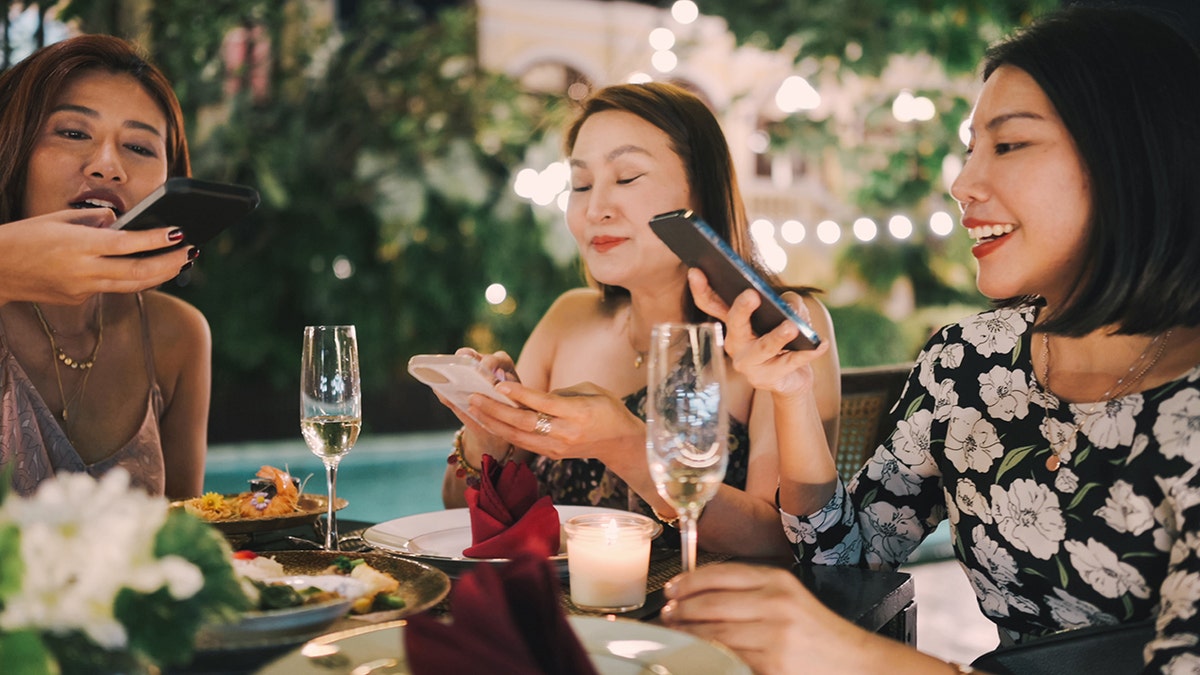
Restaurant and bar owners have found a new challenge: customers absorbed in their phones. Once dealing with cigarette smoke, they now face the distraction of screens. Many establishments are adopting creative measures to encourage guests to reconnect with their surroundings.
Innovative Approaches to Encourage Engagement
Some places, like Antagonist cocktail bar in Charlotte, North Carolina, provide lockable pouches for phones. The intent, as reported by The Wall Street Journal, is to combat the rise of phones as the “new cigarettes” in dining spaces. Adam Horner, Antagonist’s general manager, mentioned the goal is “to bring back a little slice of human connection that we all feel has been lost with technology.”
The Saloon, a bar in Washington, D.C., takes a stricter stance by banning phones entirely. A patron noted the policy discourages isolated behavior often seen in bars dominated by phones. Eulalie, a Manhattan bistro, also enforces a no-phone policy from the entrance to its menus, which co-owner Tina Vaughn believes diners appreciate. “People want an excuse,” Vaughn stated. “They’re dying for someone to say, ‘You can get off that. It’s OK.'”
Creative Offerings and Subtle Encouragements
Some establishments, like Philadelphia’s Hop Sing Laundromat, include no-call, no-text rules as part of the experience. Critics argue such policies might lead to awkward exchanges between staff and guests. Other venues, like The Edge Harlem in New York City, opt for subtlety, displaying signs that read, “No Wi-Fi. No Screens. Connect With Each Other.”
Across Europe, inventive approaches continue. London’s Spy Bar uses stickers over phone cameras, while AI Condominio in Verona, Italy, rewards phone-free dining with a complimentary bottle of wine. High-end venues, including tasting-menu restaurants and cocktail lounges, frequently adopt such policies, with occasional experiments by some major restaurant chains.
Balancing Modern Dining with Tradition
Commonplace phone use in restaurants leads to frequent disruptions. People often take food photos or engage in calls, impacting the service’s rhythm. Sanwar Mal Khokhar, a Dallas-based beverage leader, acknowledges a quick photo as part of modern dining. However, excessive use can interfere with both staff and fellow diners, particularly when privacy or service flow is at risk.
While outright bans might seem extreme, Khokhar suggests alternatives like voluntary phone-free events or designated sections. Rachael Barclay, founder of Vantage in Seattle, believes this issue extends beyond restaurants, noting locked pouches contradict the essence of hospitality.
“A locked pouch is the opposite of hospitality,” Barclay said. She emphasizes that phones, although disruptive, reflect a societal challenge. For diners checking for emergency calls, such policies might seem harsh. Khokhar agrees, adding that less frequent phone checks open up opportunities for meaningful conversation and a deeper appreciation of the meal.
In today’s world, balancing technology use with personal interaction poses a challenge. As establishments experiment with practices to restore connection, the dining experience continues to evolve.