
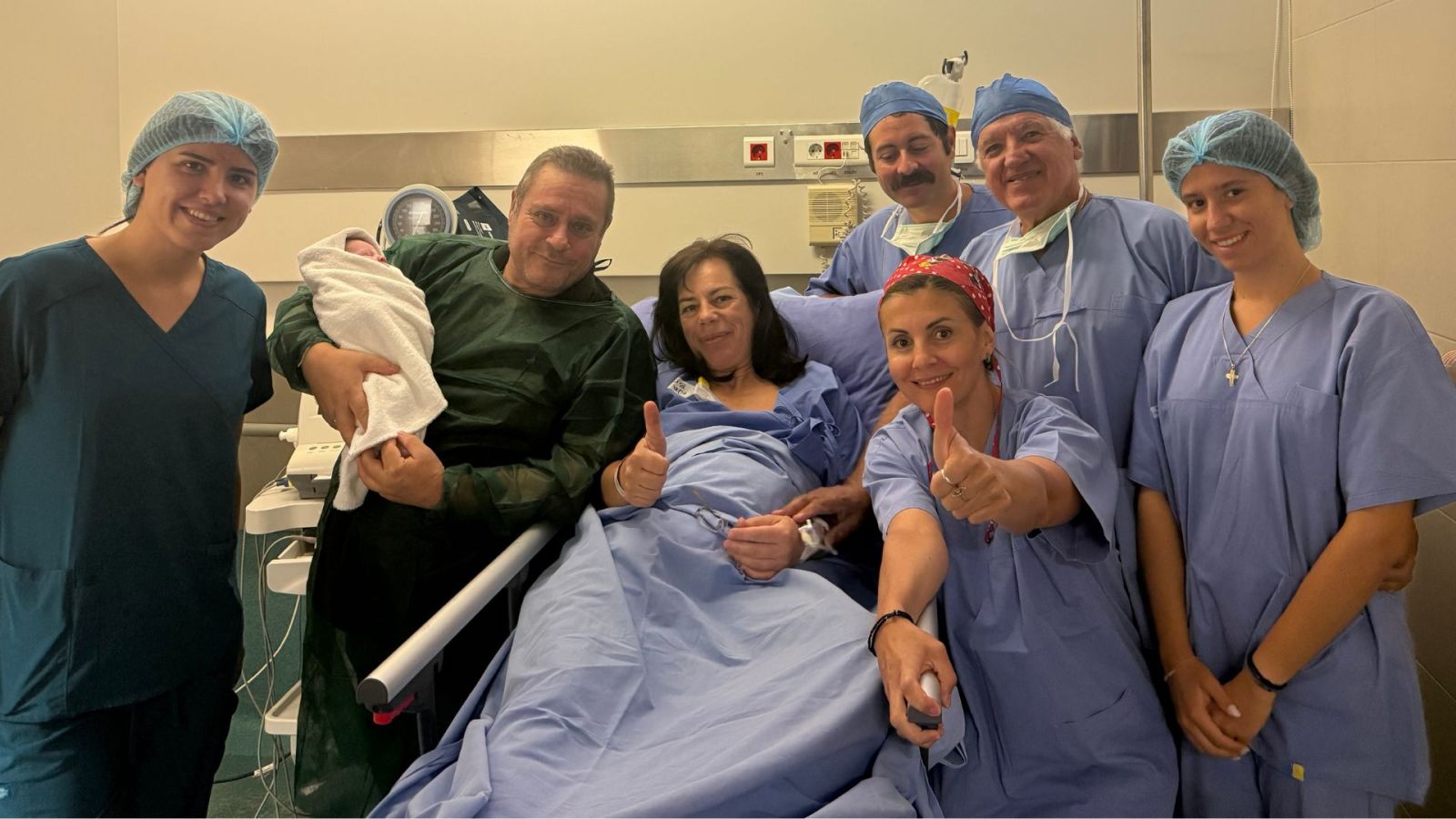
A couple from Greece recently attracted worldwide attention after welcoming a baby girl using embryos frozen 22 years earlier. Christina Rapti-Tzelepi, 54, gave birth to her daughter in December 2025 at Genesis Athens Clinic following in vitro fertilization (IVF) with embryos preserved since March 17, 2004. The couple had previously used the same batch of embryos to have their son, who tragically passed away. Following this loss, Christina and her husband, Konstantinos, decided to have another child, despite facing a race against time due to Greece’s IVF age limit of 54 for women.
The age restriction, according to Newlife IVF Greece, aims to address the medical risks associated with advanced maternal age and the natural reproductive limits of women. Yet, the couple advocates for the law to change. They shared their journey, from deep grief to newfound joy, with Newsweek, aided by their gynecologist, Dr. Konstantinos Pantos, who translated their story.
Background and Initial Challenges
The Rapti-Tzelepis met around 30 years ago and always dreamt of a family. After three challenging years, they opted for IVF, resulting in the birth of their son, George. His cesarean birth raised concerns about Christina’s future pregnancies, prompting a doctor to advise caution due to her uterine anatomy. Despite wanting more children, they froze their remaining embryos.
In October 2025, their son George was killed in an accident, leaving an indescribable void. Consumed by grief, they decided to have another child to help heal their family. Facing legal constraints, they had to act swiftly before Christina turned 55, at which point IVF would be prohibited.
The Emotional Journey
Dr. Pantos described the couple’s deep sadness throughout Christina’s pregnancy. Konstantinos found it difficult to attend appointments due to his grief, gradually accompanying Christina over time. Only after their daughter’s birth did he begin to smile, marking the start of their healing journey.
Though aware of potential risks to Christina’s health, the couple trusted Dr. Pantos and the team at Genesis Athens Clinic. Christina felt secure and appreciated their care, comparing the clinical team to family. With this support, she safely delivered their daughter after the successful transfer of three embryos.
Their daughter, born at 39 weeks weighing about 7.6 pounds, brought them new hope. They plan to share their IVF journey with her, as they did with their son, instilling strength and resilience.
Advocating for Change
Though delighted by their daughter’s arrival, Christina and Konstantinos face restrictions under Greece’s IVF laws. They wish to expand their family, ensuring their daughter has a sibling, but the current age limit prevents Christina from undergoing further treatment in Greece. She considers the law unfair given her robust health and successful birth.
If legislation remains unchanged, Christina mentioned considering treatment abroad. Dr. Pantos supports their stance, questioning the necessity of such rigid age limits amid changing societal norms. Pointing to increasing maternal ages, he argues for flexible regulations that consider individual cases and desires to have siblings for older children.
According to Eurostat, the average age of first-time mothers in Greece was 31.2 years in 2024, exceeding the European Union average of 29.9 years. Dr. Pantos believes regulations should consider broader life circumstances rather than strict birthdate criteria.