
Former Disney star David Henrie, known for his role in “Wizards of Waverly Place,” recently spoke with Tomi Lahren to express his concerns about the current state of the entertainment industry. He believes today’s programming focuses excessively on delivering messages that he describes as propaganda. Henrie argues that storytelling should prioritize creativity and bringing people together rather than dividing them.
Throughout history, stories of dragons, noble kings, and heroic quests have fascinated audiences. These tales captivate us because they fill a deep-rooted longing for adventure and wonder. They reassure us that courage, love, and mystery continue to hold significance in a world often dominated by routine.
Authors like J.R.R. Tolkien and C.S. Lewis understood this dynamic and built worlds like Middle-earth and Narnia. These settings mixed danger and wonder and highlighted the value of courage, which always came at a cost. Their works remain cherished because they never blurred the line between darkness and goodness.
Today, the fantasy genre thrives, with billions spent annually on comics, toys, books, movies, and video games. However, many works stray from what made the genre compelling. Film industry veteran Russell Crowe criticized “Gladiator II,” arguing it failed due to the absence of the original film’s moral core.
In recent years, creators have misunderstood maturity as explicit content, transforming the industry into a clickbait-driven entity filled with gratuitous sex and violence. This trend often escapes parental notice. Fantasy series like “A Court of Thorns and Roses” and “Fourth Wing” are marketed to young adults despite containing graphic content. The “Game of Thrones” universe serves as an extreme example, with its book series depicting numerous acts of sexual violence.
Fantasy should focus on imaginative worlds, heroes, and adventures that inspire higher ethics. The real question is whether fantasy creators invite players and readers to confront evil or indulge in it. Recognizing this distinction is vital.
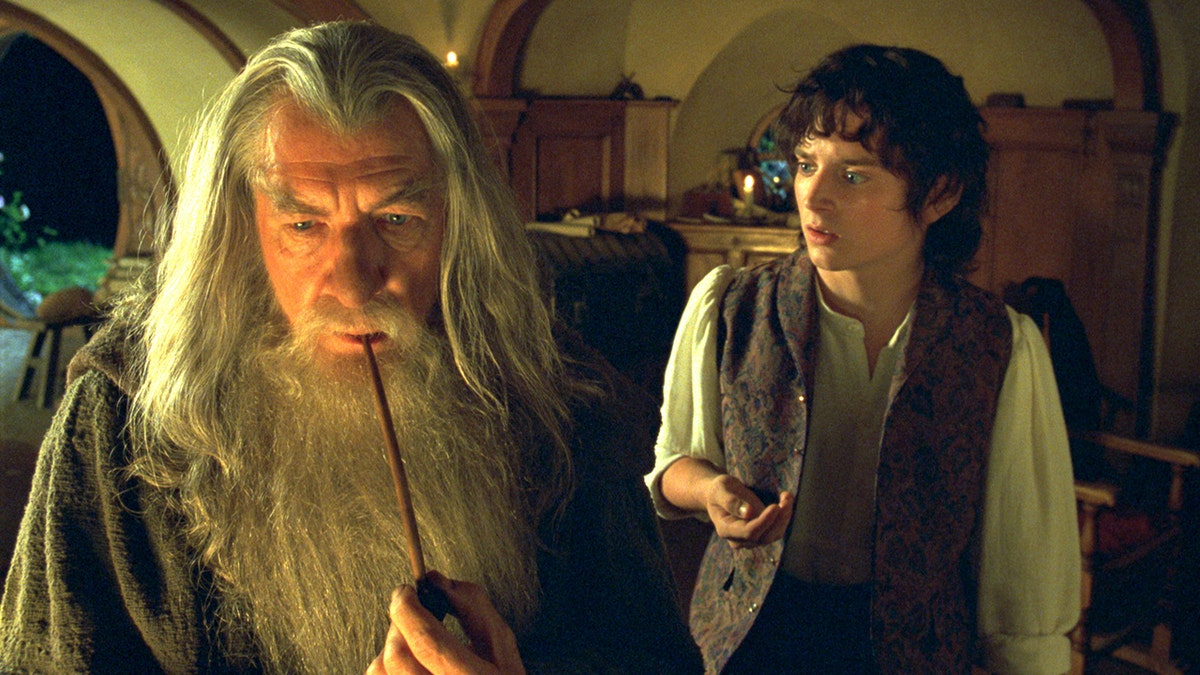
These stories, much like biblical narratives, illustrate that evil comes at a cost and courage holds value. Works like “The Lord of the Rings” and “Chronicles of Narnia” present themes of battle, darkness, and the consequences of power, teaching that goodness is worth sacrificing for.
Popular titles demonstrate that fans desire danger, adventure, humor, and hope without descending into explicitness or presenting evil as good. While faith-based entertainment can offer alternatives, creators must deliver quality stories, acting, music, and production. Mere values cannot salvage uninspiring tales.
Tolkien and Lewis emphasized storytelling excellence first. Their worlds weren’t disguised sermons but living experiences told through exceptional craft. This approach is a standard worth pursuing, aiming for a new era of fantasy that captivates audiences, whether Christian or secular.
Daniel Maritz, co-author of “Lightborn: Dawn of Darkness,” encourages creators to craft worlds that inspire wonder and heroes who lead us through darkness into light. Understanding what makes fantasy beloved, we should strive to recreate it effectively.