
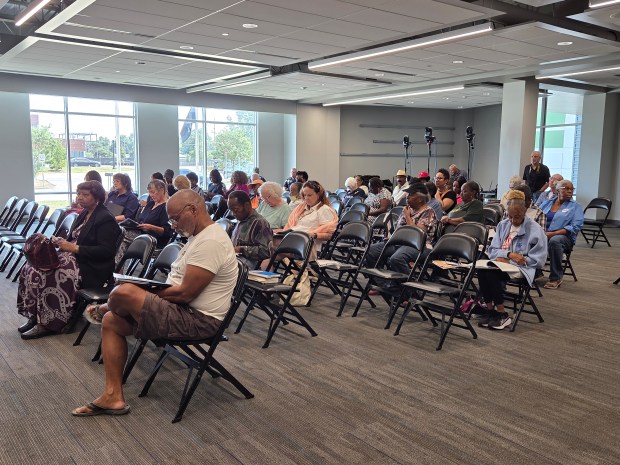
The Indiana Black Legislative Caucus (IBLC) has maintained focus on utilities legislation since before the August 11 derecho, which left many without power. Recent discussions at a town hall in Hammond, conducted by the caucus, emphasized plans to improve House Enrolled Act 1002.
State Representative Cherrish Pryor highlighted that, although the Act brought certain benefits, it didn’t meet all aspirations. She pointed out updates such as transitioning from ‘budget billing’ to ‘levelized billing’ to clarify payment increases for customers. The Act also mandates utilities to adjust their billing biannually.
The legislation put a halt on disconnect notices during both severe winter and hot summer months, addressing concerns about safety during extreme temperatures. Pryor explained utilities now need to present performance metrics regarding outages and service affordability to the Indiana Utility Regulatory Commission if they seek rate hikes.
During the town hall, State Senator Mark Spencer addressed the impact of power outages, finding that most attendees experienced disruptions for several days. This affected essentials like food and medicines.
The caucus made strides with passing significant legislation. This includes Spencer’s Senate Enrolled Act 164, which facilitates the study of urban micro farms, and SEA 232, preventing officials in Gary from purchasing specific appraised properties.
House Bill 1114, another notable achievement, ensures Medicaid or HIP beneficiaries with Stage 4 cancer cannot be denied treatment.
State Senator La Keisha Jackson expressed concerns over environmental regulatory changes. Senate Bill 277, signed by Governor Mike Braun, made many functions of the Indiana Department of Environmental Management optional, risking further water and air pollution in an already troubled state.
Despite successes, not all legislation advanced. Bills aimed at prohibiting the BMV from selling license holders’ information and restoring property tax deductions for WWI veterans’ surviving spouses didn’t pass.
Efforts to study data center water usage and regulate utilities were also stalled. These continue to be key focuses for the IBLC.
IBLC chair Representative Earl Harris Jr. expressed optimistic goals for the upcoming elections. He highlighted a recent event, the Spencer Deery case, where a primary election was decided by three votes, underscoring the impact of voting.
The Indiana Supreme Court declared Deery the winner, reversing a decision that disallowed several ballots for lacking necessary authentication.