
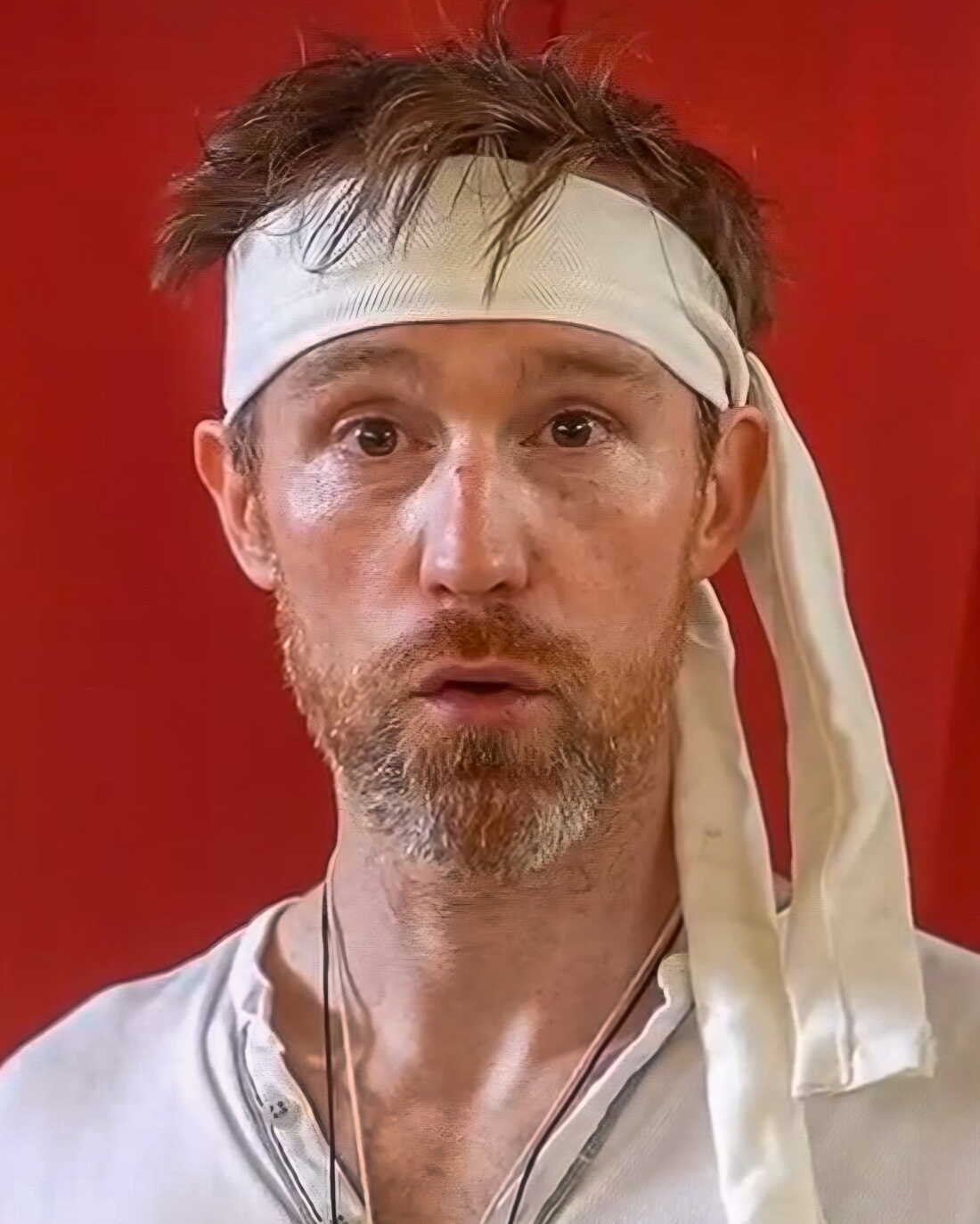
John Simpson, once a crime reporter, has embraced a new path in clowning after 15 years of reporting on crime in Britain. Unlike traditional circus clowns, Simpson practices theater clowning, opting for a more subtle style without the typical costumes and makeup. His performances often involve onstage mishaps, intentionally or not. One act features him as a spiritual guru expecting theatrical elements that never arrive, forcing the audience to improvise.
Simpson reported for The Times of London for 11 years, later joining The Observer as the home affairs editor. His coverage included topics such as organized crime, policing, murder investigations, and socio-political events. The intensity of his journalism career led to compelling experiences, like going undercover as a football hooligan and even solving a murder.
Simpson explained to NPR’s Steve Inskeep that while comedians craft jokes, clowns embody the humor. This shift in storytelling resonated beyond his own experience, with others in media sharing connections to clown school, including NPR correspondent Daniel Estrin.
Clowning, as seen by performance studies doctoral student Tim Reid, is gaining traction in places like New York, Los Angeles, Philadelphia, and even internationally in England and France. Often referring to workshops instead of formal schools, clowning has integrated into theaters and acting programs, mirroring the growth seen with improv classes years ago.
Despite challenges, including a contraction in formal theater programs, clowning persists due to its accessibility and unique appeal. Reid notes the association with humor and danger, moral ambiguity, and difficulty packaging it as a simplistic solution for modern issues.
Simpson’s career change stemmed from disenchantment with journalism’s focus on grim topics, coupled with personal struggles such as alcoholism. Finding solace in clowning, he learned to embrace failure and unvarnished human interaction.
Where journalism demanded analysis and scrutiny, clowning encouraged vulnerability and commitment to the moment, a sharp contrast Simpson found liberating. As technology dominates, Simpson remains dedicated to in-person interaction, offering workshops through Clown Lab and sharing his thoughts on his Substack, The Shiny Things. Though facing more clowns than professional opportunities, the journey supports meaningful connections in a rapidly changing world.