
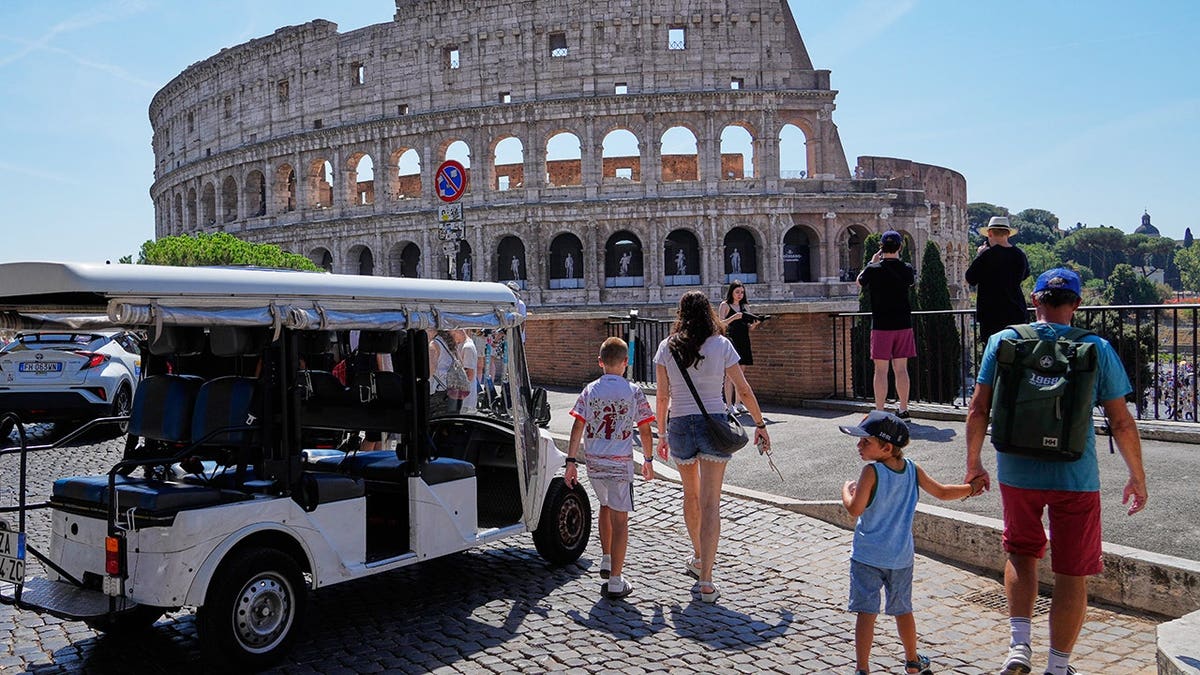
Rome faces a growing issue as tourists increasingly turn to golf carts for navigating its iconic cobblestone streets. According to Tripadvisor data, golf cart tour bookings rose 147% this summer compared to 2024, reports The Associated Press (AP). However, locals describe the influx as chaotic.
Challenges and Criticisms
Critics point to problems caused by golf carts, including illegal parking, increased traffic, and crowd congestion. An estimated 500 carts now operate on Rome’s streets, according to the AP. This surge in carts near historic sites, such as the Colosseum, frustrates many residents.
The carts’ supporters argue they are quiet, take up less space, and avoid emitting fumes that could damage monuments. Pauline Frommer from Frommer’s guidebooks states Rome’s limited public transport creates demand for alternative travel modes. She explains construction of subways often halts due to archaeological discoveries, opening a space for golf carts to thrive.
Local Government Response
City officials are considering regulating golf carts in tourism areas. Eugenio Patanè, Rome’s deputy mayor for sustainable mobility and transport, seeks increased authority over the carts from the regional government. Rome plans to set rules limiting cart numbers, designating tour routes, and determining eligible operators.
Frommer notes the global challenge of managing overtourism, with some cities outnumbering residents with visitors. Rome’s potential regulations mirror efforts by other cities to preserve historic sites and manage tourist numbers effectively.
Impact on Visitors
For those with mobility impairments, golf carts provide a practical solution in a city with limited public transport. However, limitations on cart usage may affect these visitors’ ability to explore Rome easily.
The debate extends online, where opinions are divided. Some argue golf carts should remain in resorts, while others see them as a convenient way to explore the city. The discussion continues as Rome seeks a balance between accommodating tourism and maintaining quality of life for its residents.