
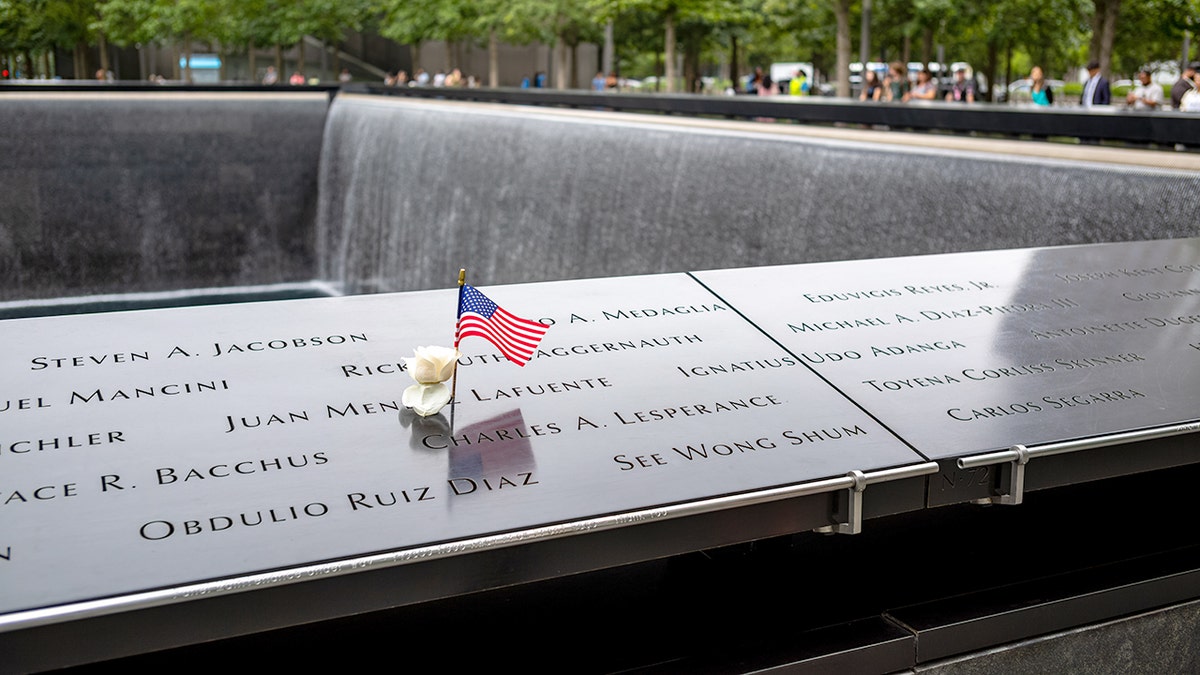
On the morning of September 11, 2001, Javed Ali drove by the Pentagon during his commute in northern Virginia. Shortly afterward, American Airlines Flight 77 crashed into the Pentagon. From his office in Falls Church, Ali witnessed smoke rising from the building. A year later, he found himself entering the still-damaged Pentagon, now working in the Defense Intelligence Agency’s counterterrorism office.
Thousands of Americans continue to suffer from the effects of toxic exposure from that day. Ali described his role as an eerie turning point in his career. His work would later take him to the Department of Homeland Security and the FBI, placing him at the forefront of national security efforts that emerged post-9/11.
The U.S. Response to 9/11
The national security framework established after 9/11 highlights a paradox. The measures adopted seem to have decreased the likelihood of another attack similar in scale to 9/11. U.S. intelligence dismantled much of the al Qaeda network responsible. New agencies, surveillance protocols, watchlists, and intelligence-sharing initiatives formed to thwart similar threats.
The 2026 U.S. intelligence community assessment confirmed that operations have severely weakened al Qaeda and ISIS’s capacity to regroup and launch large-scale attacks on U.S. soil. Yet, terrorism hasn’t vanished; it has transformed.
Modern Challenges in Counterterrorism
Today’s threats include individuals radicalized online, small cells with minimal detectable warnings, and foreign groups inspiring remote attacks. Cyber and state-sponsored threats have also become increasingly complex.
A significant question now is whether Americans are safer. The country is more secure against a 9/11-style attack but faces new, diverse threats.
The Building of a Security State
Following 9/11, the U.S. response was comprehensive. The Transportation Security Administration was created within months, marking the biggest civilian project undertaken by the federal government. The Department of Homeland Security combined 22 federal entities by 2003, deploying over 260,000 employees today across various missions.
The 9/11 Commission identified fragmented responsibilities and insufficient information-sharing as pre-attack issues. Efforts were made to bridge these gaps.
Brown University’s Costs of War project estimates that over $1.1 trillion has been spent on homeland security since DHS’s inception.
Evolving Terror Threats
After invading Afghanistan, the U.S. faced persistent threats. Even as senior al Qaeda figures were targeted, the group sought ways to re-establish a presence. A 2006 plot originating in Britain to bomb planes to North America exemplifies this ongoing danger.
When al Qaeda’s presence waned, ISIS rose to prominence, capturing vast territories in Iraq and Syria. This expansion led to increased challenges in counterterrorism efforts, shifting focus from organized operatives to individuals radicalized domestically.
The Lone Actor Challenge
Today’s attackers often work alone, without direct overseas links. These actors are harder for law enforcement to detect. Ali notes that many attackers hadn’t been on the radar before committing their acts, complicating efforts to intercept potential threats early.
A Broader Perspective on Security
Questions arise regarding whether post-9/11 security structures have become too big or outdated. Critics argue that bureaucracy has overshadowed core security needs.
Opinions differ on how to address current vulnerabilities, with some advocating for a nimble and focused national-security model. Challenges now include espionage, cyber threats, and advanced missiles from state adversaries.
Conclusion: Adapting to Evolving Threats
Though the U.S. fortified defenses against traditional terrorism, new threats require different strategies. The importance of addressing emerging threats before they solidify remains critical. Terrorism is unlikely to vanish entirely, necessitating ongoing vigilance.