
President Donald Trump has defended the significant financial impact of the conflict with Iran on U.S. resources, suggesting that weapon production can continue indefinitely. He also accused his predecessor of providing more aid to Ukraine in its fight against Russia.
On Truth Social, Trump stated, “We have virtually unlimited amounts of Mid to High-Grade Ammunition, far more than we could ever use for this, or for any other War, that could improbably take place.” He emphasized the increased production levels of munitions and mentioned efforts to prepare for any potential contingencies. Trump further claimed that the Biden administration provided Ukraine with a substantial amount of munitions at no cost.
However, experts indicate that the reality of U.S. commitments to these two conflicts is complex, with each requiring different approaches from Washington. Analysts warn of a strain on the U.S. defense industrial base, potentially leaving the country and its allies vulnerable.
“It is clear that the United States is increasingly overstretched between these two conflicts,” said Christopher Chivvis, a former U.S. intelligence official now with the Carnegie Endowment for International Peace.
Chivvis also stated that Trump’s assertion of “virtually unlimited” U.S. capacity appears unrealistic within any foreseeable timeline. He said Trump’s actions might exacerbate the situation, straining resources needed to deter threats like a potential PLA invasion of Taiwan.
The Department of War, previously known as the Department of Defense, did not provide a comment, but Chief Pentagon Spokesman Sean Parnell affirmed the strength and readiness of the U.S. military in a prior statement.
More Weapons for Ukraine, Higher Costs for Iran
As of January 2025, the U.S. had committed approximately $66 billion in security aid to Ukraine since Russia’s invasion in February 2022, with an additional $130 billion directed to other forms of aid.
Weapons sent to Ukraine included millions of artillery shells, various missile systems, and significant amounts of military hardware. In contrast, the initial phase of the U.S.’s engagement with Iran saw substantial consumption of advanced munitions, exceeding their rate of supply to Ukraine.
Even with additional munitions used in further conflicts, the total expenditure in the Middle East remains lesser compared to the prolonged support for Ukraine.
Financial and Human Costs
The conflict with Iran has drawn on costly and strategically limited weapons more rapidly than those supplied to Ukraine. The U.S. military resources face significant stress, impacting its future readiness against major threats.
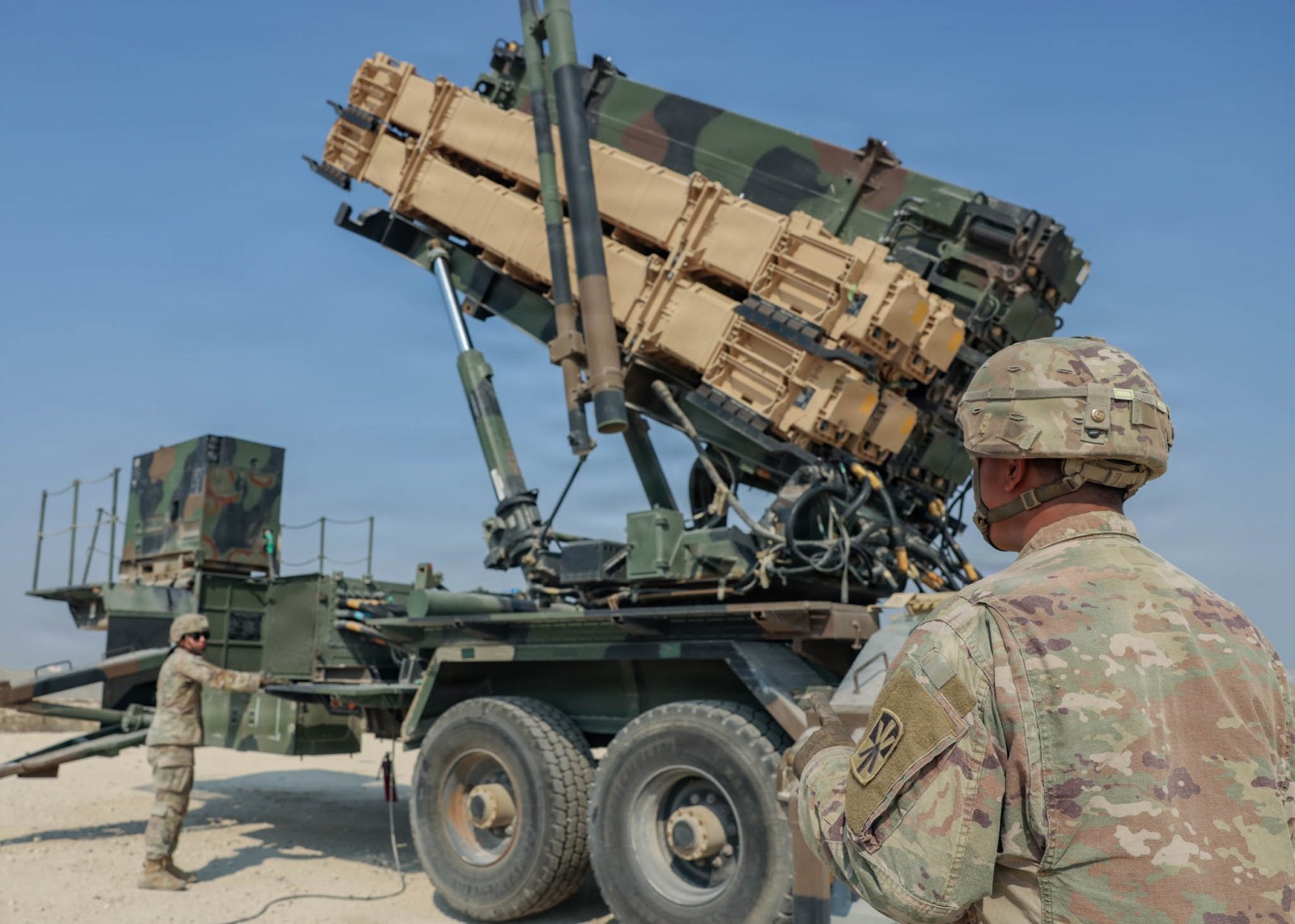
According to retired U.S. Rear Admiral Mark Montgomery, while the U.S. weapons supplied to Ukraine generally do not overlap with those used in Iran, there are areas, especially involving the Patriot system, where Trump’s assessment might be incorrect.
The war in Iran has cost the U.S. approximately $37.5 billion, as per Defense Secretary Pete Hegseth, with total expenses, including other factors, estimated at over $100 billion. Twelve U.S. service members have been killed in the Iran conflict, while no U.S. personnel have been officially reported killed in combat in Ukraine.
Challenges in Dual Conflicts
Jennifer Kavanagh, a military analysis expert, highlighted the challenges of maintaining U.S. military readiness amidst prolonged engagements. She noted the impact on U.S. defense capabilities, particularly if future conflicts arise with China or Russia.
The extended involvement in these conflicts could delay the U.S. military’s preparedness for other potential threats.