
Background on Maternal Mental Health
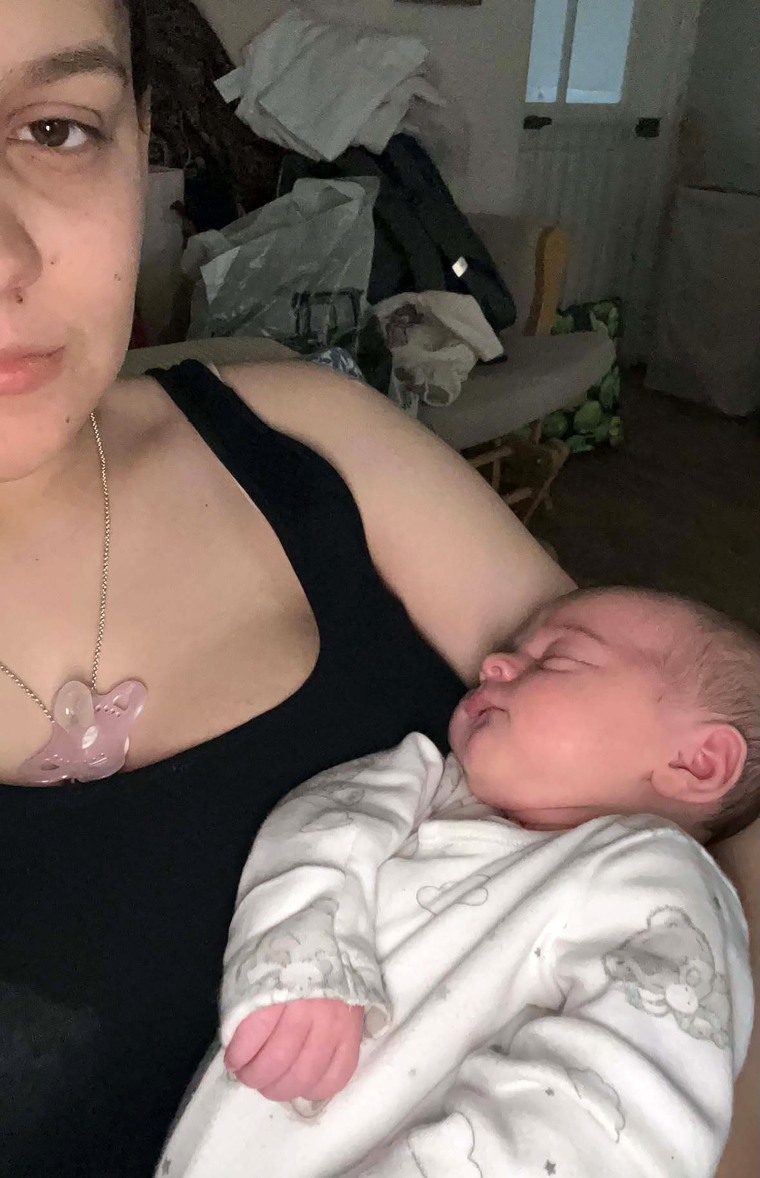
Sofii Lewis experienced severe mental health challenges shortly after giving birth to her daughter, Evie, in January 2023. Without forming a connection with her child, Lewis battled suicidal thoughts and feared harming her baby. She credits the UK’s maternal mental healthcare system with saving her life and Evie’s.
The Supportive System in the UK
Lewis’s struggles highlight the importance of Mother and Baby Units (MBUs) in the UK. These specialized facilities allow women with postpartum psychosis and other perinatal mental health issues to receive care while staying with their infants. This support is considered exceptional by many professionals and has been suggested as a model for other countries.
The UK’s National Health Service (NHS) reports that up to 26% of mothers face perinatal mental health challenges. In 2025, over 66,000 women received specialist community care for such issues. Symptoms of postpartum psychosis can emerge soon after childbirth, manifesting as delusions, mania, and confusion.
The Action on Postpartum Psychosis organization notes the rarity of extreme outcomes like suicide or infanticide in these cases.
A Case that Stirred Discussions
The case of Lindsay Clancy, who faces charges for the death of her three children, has drawn attention to postpartum psychosis treatment in the U.S. Clancy’s defense argues her actions resulted from untreated mental illness. Experts suggest that access to care similar to the UK’s MBUs could have altered the outcome significantly.
The Role of Specialized Treatments in Recovery
In her recovery, Lewis benefited from treatments like Video Interaction Guidance (VIG) therapy, which enhances mother-infant bonding by highlighting positive interactions. She also underwent Eye Movement Desensitization and Reprocessing (EMDR) therapy, targeting trauma-related distress.
A Call for Expanded Access
While the UK has a well-established network of MBUs, experts argue for more resources globally to support maternal mental health. Sally Wilson of Action on Postpartum Psychosis emphasizes the unique scale of the UK’s program compared to other countries. Ongoing advocacy highlights the need for increased awareness and resources worldwide.
Resources for those in need of support include the National Maternal Mental Health Hotline, available around the clock at 1-833-852-6262, and the 988 Suicide & Crisis Lifeline at 988 or 988lifeline.org.