
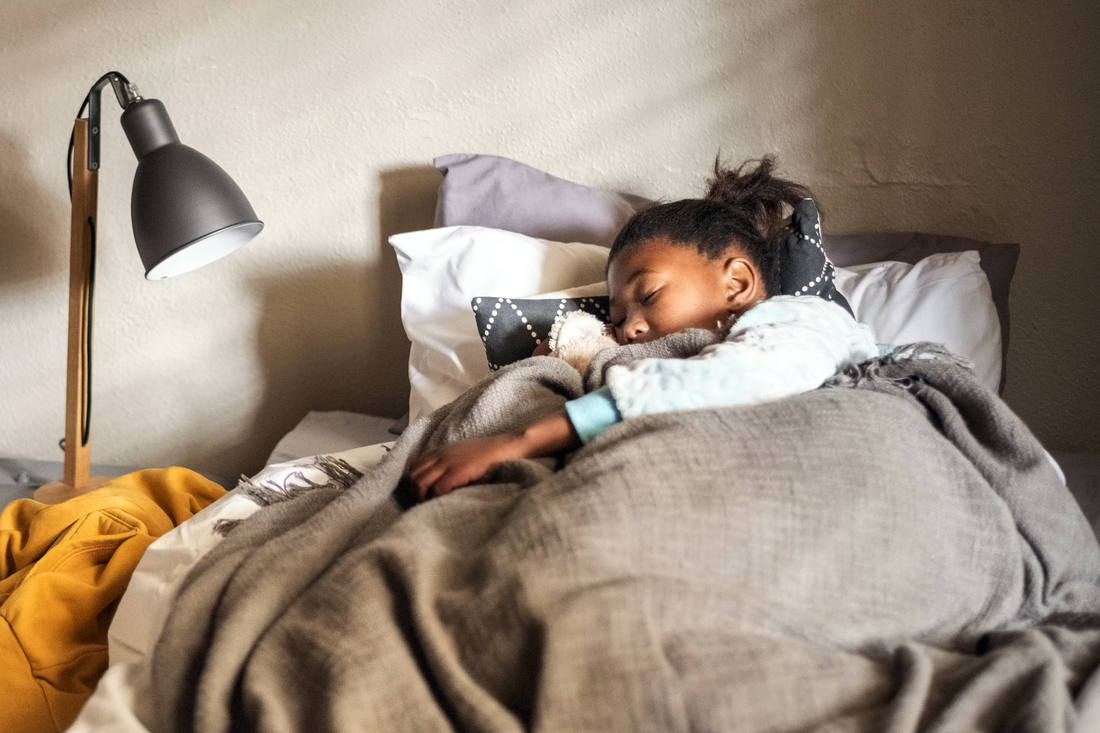
Getting adequate sleep enhances focus, aids in information retention, and strengthens the immune system. However, children might not prioritize these benefits. Many parents find it difficult to put their school-aged kids, aged five to 11, to bed peacefully. Dr. Nilong Vyas, experienced this challenge. As a board-certified sleep consultant and pediatrician, she offers advice to help families establish healthy sleep routines.
Create a Bedtime Routine
The key to good sleep is a consistent routine. Life Kit offers guidance to enhance sleep quality. Dr. Vyas emphasizes starting healthy sleep habits with a routine for the family. This could involve turning off screens, engaging in quality time, putting on pajamas, brushing teeth, and saying goodnight. Sticking to a consistent sleep schedule helps children excel in school and life.
Vyas suggests creating a routine that suits your family. Ensure your children get enough sleep by establishing a consistent bedtime and keeping the wake time the same, even on weekends. These practices can significantly improve sleep quality for kids.
Limit Screen Time
Electronic devices emit blue light which can interfere with the sleep hormone melatonin. Dr. Vyas advises turning off all screens—including TVs, iPads, and phones—at least an hour before bedtime. This helps create a conducive sleep environment. Additionally, separating study and play areas from the bedroom reinforces the association of the bedroom with sleep.
The Importance of Consistency
Consistency is crucial in establishing better sleep patterns. When introducing a new routine, maintain it for three to four days to see behavioral changes in children. According to the American Academy of Sleep Medicine, school-aged children require nine to 13 hours of sleep. Teenagers need eight to 10 hours for optimal health.
An ideal sleep environment further aids consistency. Vyas recommends blackout curtains for a dark room, possibly accompanied by a nightlight. Consider sound machines and maintain a room temperature between 67 and 69 degrees Fahrenheit. These adjustments may not be feasible for every household, but small changes can improve sleep quality significantly.
Anticipate Bedtime Challenges
As bedtime approaches, be attentive to children’s cues indicating tiredness. Begin the bedtime routine promptly to prevent antics like requests for extra hugs, kisses, or trips to the bathroom. Vyas advises developing a bedtime checklist to cover all pre-bedtime activities. Include routine requests from children like water or storytime.
“Once the routine is completed, the checklist serves as a reminder for both parents and children. When additional requests arise, you can gently remind your child that everything was addressed.” — Dr. Vyas
Dr. Vyas’s checklist can guide you in structuring your children’s sleep schedules effectively.